| Ventilation during anesthesia: From automatic human hand to intelligent machine! Vamsidhar Chamala, Anitha Nileshwar Indian Journal of Respiratory Care 2019 8(1):1-3 | |||||||||||||||||||||||||||||||||||||||||||||||||||||||||||||||||||||||||||||||||||||||||||||||||||||||||||||||||||||||||||||||||||||||||||||||||||||||||||||||||||||||||||||||||||||||||||||||||||||||||||||||||||||||||||||||||||||||||||||||||||||||||||||||||||||||||||||
| Time constant: What do we need to know to use it? Madhuragauri S Shevade Indian Journal of Respiratory Care 2019 8(1):4-7 Mechanical ventilation is an important strategy to manage patients with respiratory ailments in the acute as well as chronic setups. To be able to do so, we need a good understanding of the physiology of the respiratory system and the disease pattern. Two major components of the lung physiology are compliance and resistance and these define time constants (TCs). Compliance is the measure of distensibility of lungs. It is the change in pressure by the change in volume. Resistance is the opposing force that is created when air flows in the airway. Compliance and resistance together produce an entity called TC. TC defines the amount of time taken in seconds for the lung unit to fill or empty. TCs normally vary within the lungs and do more so in the diseased lungs. This article gives an overview of TCs and its components for the better understanding of the reader. | |||||||||||||||||||||||||||||||||||||||||||||||||||||||||||||||||||||||||||||||||||||||||||||||||||||||||||||||||||||||||||||||||||||||||||||||||||||||||||||||||||||||||||||||||||||||||||||||||||||||||||||||||||||||||||||||||||||||||||||||||||||||||||||||||||||||||||||
| Periodontal diseases: A covert focus of inflammation in pulmonary diseases Abhaya Gupta, Umesh Pratap Verma, Ajay Kumar Verma, Shyam Chand Choudhary, Sakshi Sharma, Neetu Singh, Disha Sharma Indian Journal of Respiratory Care 2019 8(1):8-17 Pulmonary diseases have known to exert significant human sufferings with high death toll globally. The association between periodontitis and pulmonary diseases is still in its infancy and needs attention. Poor oral health has shown to influence pulmonary health as well as the course of the diseases associated with this system. Numerous studies have emphasized that resident microorganisms of lungs are primarily the habitants of oral cavity. It could be due to the aspiration of oral periodontopathic bacteria into the lungs, thereby initiating the inflammatory process. Added to this, the inflammatory mediators elaborated from the inflamed periodontium in case of periodontal diseases may spread via blood to other organs such as lungs causing infections. Numerous studies have highlighted the beneficial role of periodontal therapy in improving lung function with a decreased frequency of exacerbations, reduced risk of adverse respiratory events, and morbidity, especially in chronic obstructive pulmonary disease patients. Medically compromised dentate patients admitted in intensive care units owing to their inability to maintain oral hygiene properly have increased propensity of acquiring respiratory infections. The present review focuses on emphasizing the relationship between periodontitis and pulmonary diseases with the available published literature utilizing PubMed and Google Scholar databases in the last four decades. | |||||||||||||||||||||||||||||||||||||||||||||||||||||||||||||||||||||||||||||||||||||||||||||||||||||||||||||||||||||||||||||||||||||||||||||||||||||||||||||||||||||||||||||||||||||||||||||||||||||||||||||||||||||||||||||||||||||||||||||||||||||||||||||||||||||||||||||
| The effect of cosmetic talc powder on health Khaled Ali Al Awam, Saumy Johnson, Afaf Alonazi, Amjad Abo Aleeh, Afnan Aldhamen, Anwar Alhaddad, Salma Alnouf, Faten Almutairi, Rawan Zila, Reema Algoud, Dania Alghurab, Mona Alsayegh, Batool Alnakli Indian Journal of Respiratory Care 2019 8(1):18-21 Talc powder is widely used for different purposes worldwide. Effects of talc on the human health is a concern as it has many chemical components. This review is an attempt to present the relevant researches in this field and to summarize the current updates about the topic. Talcum powder exposure has been shown to be a reason in the development of mesotheliomas and carcinoma of the lung in women. Regular cosmetic powders can get attached to larger particles that would deposit in the upper airways of the human respiratory system. The alveolar region is the second most exposed region of the respiratory system. Deposition levels in the tracheobronchial region is the lowest. Cosmetic talc powder, used regularly by women worldwide, can cause detrimental effects on different organ systems of the human body. Awareness on its harmful effects to the users may be useful to reduce the usage to some extent. | |||||||||||||||||||||||||||||||||||||||||||||||||||||||||||||||||||||||||||||||||||||||||||||||||||||||||||||||||||||||||||||||||||||||||||||||||||||||||||||||||||||||||||||||||||||||||||||||||||||||||||||||||||||||||||||||||||||||||||||||||||||||||||||||||||||||||||||
| Clinical and etiological profile of an exudative pleural effusion in a tertiary care center S Laxma Reddy, K Varaprasad, Narendrakumar Narahari, K Bhaskar, G Rajashekar Varma, GK Paramjyothi Indian Journal of Respiratory Care 2019 8(1):22-26 Background: Pleural effusion is common clinical entity in day-to-day clinical practice. There are various etiologies for pleural effusion. Among those tubercular pleural effusion, parapneumonic effusion, malignant effusion, and congestive heart failure were the most common causes of pleural effusion. Here, we have done a retrospective study to see the etiology of pleural effusion in our tertiary care center. Patients and Methods: This retrospective study conducted in a tertiary care center over 1 year period. A total of 63 patients were included in this study after verifying in patient records of all patients who were admitted with exudative pleural effusion. The demographic data collected and complete history was obtained. Investigations such as complete hemogram, random blood sugar; renal function tests, serum proteins, chest x-ray, and pleural fluid analysis and investigations such as ultrasonogram of the chest and abdomen, echocardiogram, computed tomography scan of chest, fine-needle aspiration cytology, and pleural biopsy reports (if done) were collected. Results: Among the study participants, 40 were male and 23 were female patients with male-to-female ratio of 1.7:1. Mean age of the study population was 48.8 ± 18.7 years. The most common presenting symptom was dyspnea (84%) followed by cough (80%), fever (65%), and chest pain (43%). The most frequent cause of pleural effusion was tuberculosis in 38% of patients, followed by parapneumonic effusion (28.5%) and malignant pleural effusion (22.2%). Three patients had chylothorax, two patients had pancreatic pleural effusion and the diagnosis was unknown in two patients. Mean ± standard deviation (SD) adenosine deaminase (ADA) value of the study population was 45.3 ± 28.1. Mean ± SD of ADA values in tuberculous, parapneumonic, and malignant pleural effusion was 54.5 ± 16.8, 65.2 ± 30.7, and 18.2 ± 11.0, respectively. Conclusions: Tuberculosis is one of the common causes of exudative effusions along with parapneumonic effusions and malignancy. Pleural fluid ADA levels are highly sensitive with good specificity for the diagnosis of etiology of tubercular effusions. However in view of high levels of ADA in pleural fluid in parapneumonic effusions also, other measures such as clinical evaluation, lymphocyte to neutrophil ratio, and glucose levels are necessary to separate both these entities. | |||||||||||||||||||||||||||||||||||||||||||||||||||||||||||||||||||||||||||||||||||||||||||||||||||||||||||||||||||||||||||||||||||||||||||||||||||||||||||||||||||||||||||||||||||||||||||||||||||||||||||||||||||||||||||||||||||||||||||||||||||||||||||||||||||||||||||||
| Role of bambuterol in the management of bronchial asthma Gurumit Singh, Sonal Kesar, Ambika Sambyal, Sunil Grover Indian Journal of Respiratory Care 2019 8(1):27-30 Background: Asthma is a long-term inflammatory disorder of the airways characterized by wheezing, dyspnea, and cough. For the last few decades, inhalational devices have been used in the management of the disease, but compliance remains the problem. Higher doses of oral medications used with prominent side effects precluded the use of oral beta-agonist bronchodilators, and the search for an ideal beta-adrenergic bronchodilator continues. This study was conducted for evaluation of the role of oral bambuterol in the management of bronchial asthma. Aims and Objectives: Our study aimed to evaluate the potency and effectiveness of oral bambuterol in the management of the disease in fifty patients followed up over 2 weeks with objective assessment of symptom scores and changes in the frequency of rescue bronchodilator after 2 weeks of treatment. Side effects, if any, were documented for all patients. Methods: The study was conducted on fifty patients with chronic bronchial asthma. They were given 10 mg of bambuterol once daily orally for 14 days. Pulmonary function tests were performed at days 1, 7, and 14. Forced vital capacity (FVC), forced expiratory volume in 1 s (FEV1), and peak expiratory flow rate (PEFR) were measured. Patients were assessed for symptom score and side effects at days 1, 7, and 14. Results: After completion of the study, significant improvement in the symptom score, FVC, FEV1, and PEFR was obtained with minimal side effects. Conclusion: Bambuterol 10 mg oral tablet once a day provides significant improvement in pulmonary function tests and effectively reduces asthmatic symptoms with minimal side effects. | |||||||||||||||||||||||||||||||||||||||||||||||||||||||||||||||||||||||||||||||||||||||||||||||||||||||||||||||||||||||||||||||||||||||||||||||||||||||||||||||||||||||||||||||||||||||||||||||||||||||||||||||||||||||||||||||||||||||||||||||||||||||||||||||||||||||||||||
| Long-term oxygen therapy in patients with pulmonary artery hypertension Sristina Subba, Saumy Johnshon, Tom Devasia Indian Journal of Respiratory Care 2019 8(1):31-35 Introduction: Dyspnea associated with pulmonary arterial hypertension (PAH) requires supplemental oxygen to maintain oxygen saturation. Many researches related to oxygen therapy in chronic obstructive pulmonary disease and cor pulmonale are available, but the effect of long-term oxygen therapy (LTOT) has not been explored in PAH patients. Aim: This study aimed to determine the effect of LTOT in patients diagnosed with PAH. Methodology: All adult patients with PAH, primary or secondary to respiratory disease who require LTOT, were included in the study. The following parameters were collected: age, gender, severity of PAH based on echocardiogram, body mass index, comorbidities, type of oxygen therapy device, amount and duration of oxygen usage, mortality, frequency of readmission, oxygenation, and vital sign parameters. Results: This was a retrospective study which included 332 participants diagnosed to have PAH after detailed echocardiogram assessment. Out of these, 32 participants were prescribed LTOT at the time of discharge. At the time of discharge, there was a significant improvement in all the vital signs and oxygenation variables. The increase in oxygenation, hemoglobin, and reduced respiratory rate after LTOT was statistically significant (P < 0.001). During follow-up after 1 year, 26 (81.3%) participants survived, 3 participants (9.4%) expired, and 3 participants (9.4%) were lost to follow-up. Conclusion: The use of oxygen therapy is beneficial in patients with PAH in terms of improvement in oxygenation and reduction in hospital readmission. Survival at 1 year is 81% in patients using LTOT. | |||||||||||||||||||||||||||||||||||||||||||||||||||||||||||||||||||||||||||||||||||||||||||||||||||||||||||||||||||||||||||||||||||||||||||||||||||||||||||||||||||||||||||||||||||||||||||||||||||||||||||||||||||||||||||||||||||||||||||||||||||||||||||||||||||||||||||||
| Prevalence of dyspnea and its associated factors in patients with chronic obstructive pulmonary disease Sita Sharma, Pramod Sharma Indian Journal of Respiratory Care 2019 8(1):36-41 Background: Dyspnea is highly distressing experience of breathlessness that limits the activities of daily living and affects an increasingly large group of patients with respiratory diseases such as chronic obstructive pulmonary disease (COPD). Aims: The aim of our study was to investigate the prevalence of dyspnea and its associated factors in patients with COPD. Patients and Methods: This cross-sectional study was carried out among 221 COPD patients of Tribhuvan University Teaching Hospital, Nepal. Patients' dyspnea was assessed using the modified Medical Research Council Dyspnea Scale and Dyspnea 12 Questionnaire. Patient's anxiety and depression were measured using Hospital Anxiety and Depression Scale, and COPD Assessment Test (CAT) was used to measure the impact of COPD. Mann–Whitney and Kruskal–Wallis test were used to find out the association between variables. Multiple regression analysis was used to find out the most significant factor associated with dyspnea. Results: Out of 221 patients, almost all (92.8%) patients had some degrees of dyspnea. Dyspnea was statistically significantly associated with age (P < 0.001), education (P < 0.001), marital status (P < 0.001), type of family (P = 0.009), working status (P < 0.001), duration of illness (P < 0.001), history of previous hospitalization (P < 0.001), status of hospitalization in the last year (P < 0.001), domiciliary oxygen therapy (P < 0.001), other comorbidities (P < 0.001), anxiety (P < 0.001), and depression (P < 0.001). Conclusions: This study concludes that dyspnea is highly prevalent in COPD, and duration of illness, depression, and CAT score were the most significant factors associated with dyspnea in patients with COPD. | |||||||||||||||||||||||||||||||||||||||||||||||||||||||||||||||||||||||||||||||||||||||||||||||||||||||||||||||||||||||||||||||||||||||||||||||||||||||||||||||||||||||||||||||||||||||||||||||||||||||||||||||||||||||||||||||||||||||||||||||||||||||||||||||||||||||||||||
| Prevalence of type 2 diabetes mellitus in chronic obstructive pulmonary disease and its impact on the severity of chronic obstructive pulmonary disease among patients attending tertiary care center in central Karnataka, Davangere Eti Ajit, Kushal Bondade, J Rakesh, Anup Banur, Priyadarshini Raykar Indian Journal of Respiratory Care 2019 8(1):42-45 Introduction: Diabetes mellitus (DM) is an important and common comorbid condition associated with chronic obstructive pulmonary disease (COPD). The exact prevalence of DM in COPD patients among the Indian population is unknown. Coexisting DM is associated with poor outcome in COPD patients and has a significant impact on lung function and severity of the disease. Aim: The aim of this study was to determine the prevalence of type 2 DM in COPD patients attending tertiary care hospital and to assess its impact on the severity of the disease and exacerbation. Patients and Methods: A cross-sectional study was done at a tertiary care center in Davangere from July to December 2016. Convenience sampling was used to study 412 patients attending the hospital for consultation. An interview schedule consisting of sociodemographic details and GOLD criteria 2015 to diagnose COPD and the World Health Organization criteria for DM was used. Results: The prevalence of DM was 23.05% (95) among 412 COPD patients studied. Thirty-five (8.49%) patients were newly diagnosed with DM. The prevalence in mild, moderate, severe, and very severe COPD was 14.73%, 18.94%, 36.84%, and 29.47%, respectively. DM group patients had a significant decline in lung function compared to non-DM group (mean forced expiratory volume 1% – 45.92 ± 4.22 v/s 56.64 ± 3.58, P = 0.001), and the majority of patients with DM (29.47%) were in exacerbation when compared to nonDM group (16.71%). Conclusion: The prevalence of DM is high in COPD patients, and significant numbers are newly detected. Hence, it is crucial to screen all COPD patients for DM routinely. Further diabetics tend to have more severe COPD when compared to nondiabetics. | |||||||||||||||||||||||||||||||||||||||||||||||||||||||||||||||||||||||||||||||||||||||||||||||||||||||||||||||||||||||||||||||||||||||||||||||||||||||||||||||||||||||||||||||||||||||||||||||||||||||||||||||||||||||||||||||||||||||||||||||||||||||||||||||||||||||||||||
| The prevalence of obstructive airway disease by spirometric indices in nonsmoker patients with catheter-diagnosed coronary artery disease Ankur Agrawal, Saurabh Kumar Singh, Prahlad P Prabhudesai Indian Journal of Respiratory Care 2019 8(1):46-50 Aim: The aim of this study was to assess the prevalence of obstructive airway disease (OAD) in coronary artery disease (CAD) patient's using spirometric indices. Patients and Methods: The prospective study was conducted between June 2014 and June 2015. Patients admitted to the intensive coronary care unit having a proven diagnosis of CAD (single or multiple vessel disease) on coronary angiography were undergone spirometry examination. Results: This study included a total of 80 patients of proven CAD. Sixty-one patients were male and 19 were female. The mean age of the cases was 59.29 years. In our study, 37.5% had triple-vessel disease, 33.8% had double-vessel disease, and remaining 28.8% had single-vessel disease. Eighteen patients (22.5%) were found to have OAD. On comparison of severity of OAD with the severity of CAD, no statistically significant association was found. Conclusion: It is imperative to carry out inexpensive investigations such as spirometry in all the patients with CAD so that both the conditions can be managed adequately with better outcomes.
| |||||||||||||||||||||||||||||||||||||||||||||||||||||||||||||||||||||||||||||||||||||||||||||||||||||||||||||||||||||||||||||||||||||||||||||||||||||||||||||||||||||||||||||||||||||||||||||||||||||||||||||||||||||||||||||||||||||||||||||||||||||||||||||||||||||||||||||
Thursday, January 3, 2019
Respiratory Care


High proton conduction in an excellent water-stable gadolinium metal-organic framework
Chem. Commun., 2019, Accepted Manuscript
DOI: 10.1039/C8CC08700H, Communication
DOI: 10.1039/C8CC08700H, Communication
Xiu-Shuang Xing, Zhi-hua Fu, Ning-Ning Zhang, Xiao-Qing Yu, Ming-Sheng Wang, Guo-Cong Guo
A new metal-organic framework with excellent water stability, {H[(N(CH3)4)2][Gd3(NIPA)6]}·3H2O (1, H2NIPA = 5-nitroisophthalic acid), displays a proton conductivºty of 7.17 X 10⁻² S cm–1 (at 75 °C and 98% relative...
The content of this RSS Feed (c) The Royal Society of Chemistry
A new metal-organic framework with excellent water stability, {H[(N(CH3)4)2][Gd3(NIPA)6]}·3H2O (1, H2NIPA = 5-nitroisophthalic acid), displays a proton conductivºty of 7.17 X 10⁻² S cm–1 (at 75 °C and 98% relative...
The content of this RSS Feed (c) The Royal Society of Chemistry

from Journals via hj on Inoreader https://rsc.li/2RCAmEB
Innate glycosidic activity in metallic implants for localized synthesis of antibacterial drugs

Chem. Commun., 2019, 55,443-446
DOI: 10.1039/C8CC08737G, Communication
DOI: 10.1039/C8CC08737G, Communication
Marja ter Meer, Ross Dillion, Signe Maria Nielsen, Raoul Walther, Rikke L. Meyer, Willeke F. Daamen, Lambertus P. van den Heuvel, J. Adam van der Vliet, Roger M. L. M. Lomme, Yvonne L. Hoogeveen, Leo J. Schultze Kool, Jeremy E. Schaffer, Alexander N. Zelikin
The unexpected discovery presented herein is that industrialized metallic wires can perform conversion of the glucuronide prodrugs with ensuing antibacterial effects.
The content of this RSS Feed (c) The Royal Society of Chemistry
The unexpected discovery presented herein is that industrialized metallic wires can perform conversion of the glucuronide prodrugs with ensuing antibacterial effects.
The content of this RSS Feed (c) The Royal Society of Chemistry

from Journals via hj on Inoreader https://rsc.li/2CQj2Ul
Efficient and stable radiolabeling of polycyclic aromatic hydrocarbon assemblies: in vivo imaging of diesel exhaust particulates in mice

Chem. Commun., 2019, 55,447-450
DOI: 10.1039/C8CC08304E, Communication
DOI: 10.1039/C8CC08304E, Communication
 Open Access
 This article is licensed under a Creative Commons Attribution 3.0 Unported Licence.
Chang Heon Lee, Ha Eun Shim, Lee Song, Hi Gyu Moon, Kyuhong Lee, Jung Eun Yang, Ha Yeon Song, Yong Jun Choi, Dae Seong Choi, Jongho Jeon
As a robust radioanalytical method for tracking carbonaceous particulates in vivo, polycyclic aromatic hydrocarbons from diesel exhaust were labeled with a radioactive-iodine-tagged pyrene analogue.
The content of this RSS Feed (c) The Royal Society of Chemistry
As a robust radioanalytical method for tracking carbonaceous particulates in vivo, polycyclic aromatic hydrocarbons from diesel exhaust were labeled with a radioactive-iodine-tagged pyrene analogue.
The content of this RSS Feed (c) The Royal Society of Chemistry

from Journals via hj on Inoreader https://rsc.li/2Tpphnt
A clickable caging group as a new platform for modular caged compounds with improved photochemical properties

Chem. Commun., 2019, 55,451-454
DOI: 10.1039/C8CC07981A, Communication
DOI: 10.1039/C8CC07981A, Communication
Akinobu Z. Suzuki, Ryota Sekine, Shiori Takeda, Ryosuke Aikawa, Yukiko Shiraishi, Tomomi Hamaguchi, Hiroyuki Okuno, Hirokazu Tamamura, Toshiaki Furuta
A clickable caging group was designed, which was applied to the synthesis of caged paclitaxels with improved physical and photochemical properties.
The content of this RSS Feed (c) The Royal Society of Chemistry
A clickable caging group was designed, which was applied to the synthesis of caged paclitaxels with improved physical and photochemical properties.
The content of this RSS Feed (c) The Royal Society of Chemistry

from Journals via hj on Inoreader https://rsc.li/2CQiZYF
Highly selective dual sensing of ATP and ADP by fluorescent ribonucleopeptide sensors
Chem. Commun., 2019, Accepted Manuscript
DOI: 10.1039/C8CC09934K, Communication
DOI: 10.1039/C8CC09934K, Communication
Shun Nakano, Musashi Shimizu, Huyen Dinh, Takashi Morii
Fluorescent biosensors for specific detection and quantification of given targets are powerful tools in bioscience. One of the general methods to construct fluorescent biosensors utilizes natural protein receptors by taking...
The content of this RSS Feed (c) The Royal Society of Chemistry
Fluorescent biosensors for specific detection and quantification of given targets are powerful tools in bioscience. One of the general methods to construct fluorescent biosensors utilizes natural protein receptors by taking...
The content of this RSS Feed (c) The Royal Society of Chemistry

from Journals via hj on Inoreader https://rsc.li/2saTXgK
Directing GDNF-Mediated Neuronal Signaling with Proactively Programmable Cell-Surface Saccharide-Free Glycosaminoglycan Mimetics
Chem. Commun., 2019, Accepted Manuscript
DOI: 10.1039/C8CC09253B, Communication
DOI: 10.1039/C8CC09253B, Communication
Song-Gil Lee, Shuting Cai, Daniel Hartoyo Lukamto, Jerry Toh, Roland G. Huber, Peter J Bond, Joo-Eun Jee, Teck Chuan Lim, Pei Liu, Liwei Chen, Vicky Qianqian Qu, Su Seong Lee
A significant barrier to harnessing the power of cell-surface glycosaminoglycans (GAGs) to modulate Glial cell-line-derived neurotrophic factor (GDNF) signaling is the difficulty in accessing key GAG structures involved. Here, we...
The content of this RSS Feed (c) The Royal Society of Chemistry
A significant barrier to harnessing the power of cell-surface glycosaminoglycans (GAGs) to modulate Glial cell-line-derived neurotrophic factor (GDNF) signaling is the difficulty in accessing key GAG structures involved. Here, we...
The content of this RSS Feed (c) The Royal Society of Chemistry

from Journals via hj on Inoreader https://rsc.li/2LOf41k
The Hydrocarbon Exploration and Production Industry in 2019

from Climate Change Skeptic Blogs via hj on Inoreader http://bit.ly/2QlA0NQ
Reconstructing a dataset of observed global temperatures 1950-2016 from human and natural influences
by Frank Bosse
A demonstration that multidecadal variation since 1950 leads to overestimation of the Transient Climate Response (TCR).
Introduction
Inspired by a recent paper ( Folland et.al 2018), I try to replicate the annual development of the observed global mean surface temperature (GMST) for 1950-2016 with a minimum of fitting and smoothing. Unlike it was done in Folland et.al I don't want to break the time series into sub-periods nor use monthly data when annual data seem to be sufficient.
I take account for the following factors:
- Anthropogenic forcing. I use the forcing ERF data of Lewis&Curry (2018).
- ENSO, solar forcing, volcano forcing. I use the data of Grant Foster aka "Tamino", released in this recent post.
- Some internal variability of the climate system which is missed in modeled approaches as this very recent paper (Kravtsov et.al 2018) shows.
The GMST product I use is the data source of Cowtan&Way as it is described here.
The aim of the procedure is to show that one reaches an excellent agreement between the constructed dataset and the observations if natural influences are allowed for and human influence is parametrized as forcing multiplied by the sensitivity coefficients (i.e. the transit climate sensitivity) that is deduced from the observations.
Procedure
- For the C&W dataset I downloaded annual averages for 1950…2016. Thereafter the data was passed the "Tamino- filter" (shown in fig.1 and 2 of the cited post) for eliminating the influences of ENSO, volcano and variations in the solar forcing. The data for this filter are available from it's author here. The "filter" is the difference between the "raw" and "adj." data. "Tamino" uses the index "MEI" for the tuning of ENSO- events, this introduces a trend slope into this filter due to the forcing impacting MEI.
- The thus adjusted data were regressed vs. the anthropogenic ERF data to estimate the sensitivity of the climate system vs. the forcing. The regression slope for 1950 to 2016 is 0.335 +- 0.031 K/W/m² (95% confidence). The residuals of this regression contain a (multi) decadal signal with strong persistence (Hurst coefficient=1) as will be shown below.
- The (multi)decadal variability is detailed modeled below.
In a previous post to model the (multi)decadal variability I used the SST of the AMO-area (25-65N; 70W-7W), as it was suggested by v. Oldenborgh et. al ( 2009), regressed on the global forcing, not the GMST as it was applied in the cited paper. However, in the discussion section of this post two years ago some doubts were expressed as to whether the residuals of this regression would still contain some forced component. Therefore I used a different approach this time, based on the SST's in the Northern Atlantic (50-65N; 60W-10W) and in the Southern Ocean (50S-65S; 70E-70W). Fig.1: The global mixed layer depth (MLD) averaged over the year. Note the depth of about 250m in the Northern Atlantic (50-65N; 60W-10W) and in the Southern Ocean (50S-65S; 70E-70W). Source: Argo
The impact of any forcing on the SST will be much more muted in these regions than in other regions of the globe because the surface warming power is mixed down into and has to warm a much bigger layer of water (Fig.1).
Therefore I used the SST (ERSSTv5) data of both areas and calculated the difference of their average which should cancel out any forced warming. The result is shown together with the residuals of the regression described in point 2:
 Fig.2: The residuals (black) of the regression described in point 2 above and the SST- difference (light blue) between the North Atlantic (NA) and Southern Ocean (SO).
Note that no smoothing was applied. The best fitting coefficient to map the residuals from the SST difference is 0.105.
Synthesis of the GMST series
With the equation:
T(n)=0.335*ERF anthropogenic (n) + T tamino filter (n)+ 0.105*SST NA-SO(n) -0,33 (1)
where T is the reconstructed temperature and n the actual year of the record and tamino filter used as described in point 1 above I calculated T(n)for all years n 1950-2016.
Results
Fig. 3 compares the resulting reconstructed temperature series with the original Cowtan&Way data.
 Fig. 3: The original C&W data (green) and the reconstructed data with the procedure described above (dark blue). The difference of the trend slopes for the temperatures over the time 1950…2016 is marginally (4%).
The standard error of the reconstruction is 0.008 °C.
All the characteristics described in Folland et.al (2018) are replicated: the slightly cooling to 1976, the strong warming thereafter to 1998 and the somewhat muted warming to 2014, which is likely a result of the internal variability. The overall performance: 94 % of the variance of the raw C&W data is deduced from the described reconstruction. The remaining residuals probably contain mainly weather noise (Hurst Coefficient=0.7).
Discussion
How much warming since 1950 is anthropogenic? The procedure gives 98% for this time window. The trend slopes with/without internal variability are indistinguishable. Fig.2 shows that the internal variability made an almost full swing during the 67 evaluated years.
A postulate is included: There are no other contributions than described in the introduction section, perhaps longer lasting, so that we can't identify them. This is also the case if we would include more years from the past, also due to the strong increasing uncertainties in the observed data, i.e. in the Southern Ocean.
However, in shorter time windows the internal variability described here can for sure introduce some bias regarding the sensitivity.

Fig.4: The linear amplification of the GMST trends from the internal (multi) decadal variability shown in Fig.2 with the start year on the abscissa to 2016.
The internal variability (see Fig.2 and 4)"push/pulls" the observations in this manner.
The higher trend caused by this (multi)decadal variability was likely taken into account when parameterizing climate models, introducing bias in them.
Conclusions
The annual GMST 1950-2016 are a composition of:
- Anthropogenic forcing with the sensitivity TCR=1.27 °C (best estimate, calculated with the result of Eq. (1) multiplied by 3.8 W/m² for the doubling of CO2) for the C&W product, consistent with the findings of Lewis&Curry
- Solar- , volcano forcing and ENSO- influence. The calculation follows here the cited "Tamino" post with thanks to Grant Foster for releasing the "filter".
- Some (multi) decadal internal variability with the amplitude of about 0.25°C (see fig.2) which can be well modeled by scaling the SST difference between the areas mentioned.
- Weather noise (6%).
The (multi) decadal variability mentioned in (3) will lead to estimates of TCR based on trends over periods starting after 1950, particularly trends during the satellite period (post 1978), being biased upwards.
Moderation note: As with all guest posts, please keep your comments civil and relevant.
from Climate Change Skeptic Blogs via hj on Inoreader http://bit.ly/2RAzBvo
Synthesis of heterojunction photocatalysts composed of Ag 2 S quantum dots combined with Bi 4 Ti 3 O 12 nanosheets for the degradation of dyes
Abstract
Facilitating the separation of photogenerated electron/hole pairs and widening the light-responsive region are crucial to enhance the overall photocatalytic performance of photocatalysts. To achieve this aim, here we have prepared Ag2S/Bi4Ti3O12 heterojunction composite photocatalysts by assembling Ag2S quantum dots onto the surface of Bi4Ti3O12 nanosheets. Transmission electron microscopy observation demonstrates that two types of Ag2S quantum dots separately with size of 40–70 and 7–17 nm are uniformly assembled onto the surface of large-sized Bi4Ti3O12 thin nanosheets. The as-prepared Ag2S/Bi4Ti3O12 heterojunction composites exhibit much enhanced light absorption (particularly in the visible and near-infrared region) and highly efficient separation of electrons and holes photogenerated in Bi4Ti3O12. Rhodamine B (RhB) aqueous solution was chosen as the target organic pollutant to evaluate the photocatalytic performance of the samples under simulated sunlight irradiation. It is found that the Ag2S/Bi4Ti3O12 heterojunction composites manifest significantly enhanced photocatalytic activity toward the RhB degradaton. In particular, the 15wt% Ag2S/Bi4Ti3O12 composite exhibits the highest photocatalytic activity, which is ca. 2.8 and 4.0 times higher than bare Bi4Ti3O12 and Ag2S, respectively. The enhanced photocatalytic activity of the composites can be explained as a result of the Z-scheme electron transfer from the conduction band of Bi4Ti3O12 to the valence band of Ag2S, and thus more photogenerated holes in the valence band of Bi4Ti3O12 and electrons in the conduction band of Ag2S are able to participate in the photocatalytic reactions. Active species trapping experiments were carried out, from which it is concluded that photogenerated holes and •O2− radicals play the dominant and secondary role in the photocatalysis, respectively.
from Climate Change Skeptic Blogs via hj on Inoreader http://bit.ly/2ToUQxF
Synthesis of Au-Cu-M (M=Pt, Pd, Ag) Nanorods with Enhanced Catalytic Efficiency by Galvanic Replacement Reaction
Chem. Commun., 2019, Accepted Manuscript
DOI: 10.1039/C8CC08083F, Communication
DOI: 10.1039/C8CC08083F, Communication
Xudong Wang, Shutang Chen, Gabriella Reggiano, Sravan Thota, Yongchen Wang, Peter Kerns, Steven L Suib, Jing Zhao
This work reports a general wet-chemistry method to produce Au-Cu-X (X=Pt, Pd, and Ag) trimetallic nanorods using galvanic replacement reaction with Au-Cu nanorods as the templates. The mild conditions, such...
The content of this RSS Feed (c) The Royal Society of Chemistry
This work reports a general wet-chemistry method to produce Au-Cu-X (X=Pt, Pd, and Ag) trimetallic nanorods using galvanic replacement reaction with Au-Cu nanorods as the templates. The mild conditions, such...
The content of this RSS Feed (c) The Royal Society of Chemistry

from Journals via hj on Inoreader https://rsc.li/2F7i6gm
[ASAP] Proton Discharge on a Gold Electrode from Triethylammonium in Acetonitrile: Theoretical Modeling of Potential-Dependent Kinetic Isotope Effects

Journal of the American Chemical Society
DOI: 10.1021/jacs.8b11826


from Journals via hj on Inoreader http://bit.ly/2TttvKS
Polish government: wind turbines will be scrapped within 17 years
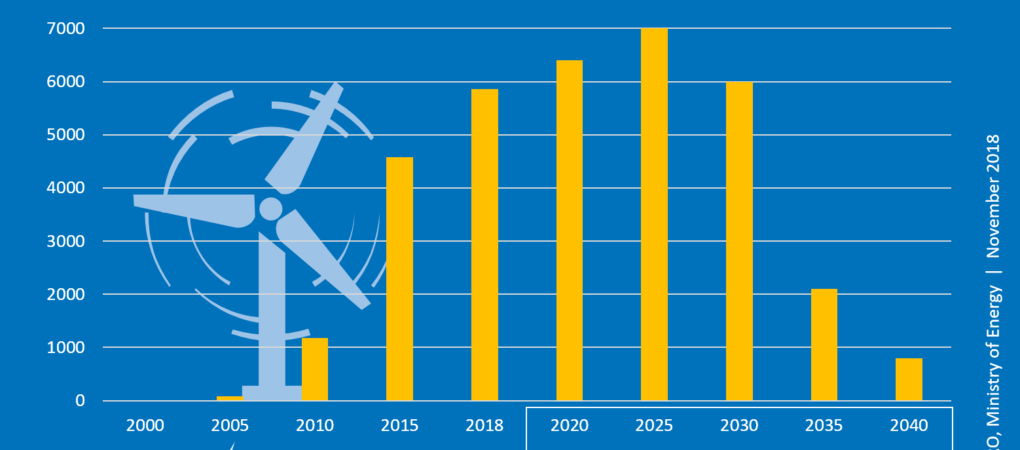
from Climate Change Skeptic Blogs via hj on Inoreader http://bit.ly/2AuWE1f
Stereogenic Cyclic Oligonaphthalenes Displaying Ring Size-Dependent Handedness of Circularly Polarized Luminescence (CPL)
Chem. Commun., 2019, Accepted Manuscript
DOI: 10.1039/C8CC08929A, Communication
DOI: 10.1039/C8CC08929A, Communication
Yuki Nojima, Masashi Hasegawa, Nobuyuki Hara, Yoshitane Imai, Yasuhiro Mazaki
A series of cyclic oligomers with Dn symmetry (n = 2–5) based on chiral (R)/(S)-binaphthyl exhibiting intensive chiroptical properties were synthesized by using a Ni(0)-catalyzed coupling reaction. The intensity and...
The content of this RSS Feed (c) The Royal Society of Chemistry
A series of cyclic oligomers with Dn symmetry (n = 2–5) based on chiral (R)/(S)-binaphthyl exhibiting intensive chiroptical properties were synthesized by using a Ni(0)-catalyzed coupling reaction. The intensity and...
The content of this RSS Feed (c) The Royal Society of Chemistry

from Journals via hj on Inoreader https://rsc.li/2C3E5Rs
Chemical and Mechanistic Analysis of Photodynamic Inhibition of Alzheimer’s β-Amyloid Aggregation
Chem. Commun., 2019, Accepted Manuscript
DOI: 10.1039/C8CC09288E, Communication
DOI: 10.1039/C8CC09288E, Communication
Minkoo Ahn, Byung Il Lee, Sean Chia, Johnny Habchi, Janet Kumita, Michele Vendruscolo, Christopher M Dobson, Chan Beum Park
The self-assembly of the beta-amyloid peptide (Aβ) into amyloid aggregates is a central phenomenon associated with Alzheimer's disease. Here, we report chemical modifications of key amino acid residues of Aβ42...
The content of this RSS Feed (c) The Royal Society of Chemistry
The self-assembly of the beta-amyloid peptide (Aβ) into amyloid aggregates is a central phenomenon associated with Alzheimer's disease. Here, we report chemical modifications of key amino acid residues of Aβ42...
The content of this RSS Feed (c) The Royal Society of Chemistry

from Journals via hj on Inoreader https://rsc.li/2SxTu3y
Successful start-up of the anammox process in constructed wetland microcosms: influence of the electron acceptors on performance, microbial community, and functional genes
Abstract
Nitrogen removal by anammox process has been recognized as efficient, cost-effective, and low-energy alternative removal. The longer start-up periods of anammox process hindered the widespread application of anammox-based technology. In this study, four identical unplanted subsurface-flow constructed wetlands (USFCWs) were built up to investigate the effects of electron acceptors (Fe3+, Mn4+, SO42−) on the start-up of anammox process. Results indicated that the start-up time of anammox process was shortened to 105 days in R1 (with Fe3+ addition) and 110 days in R2 (with Mn4+ addition) with nitrogen removal efficiencies of above 75%, compared with 148 days in R0 (control). The addition of SO42− had no significant effect on start-up process. High-throughput sequencing results demonstrated that Shannon index increased significantly from 2.87 (R0) to 5.08 (R1) and 5.00 (R2), and the relative abundance of Candidatus Anammoxoglobus rose from 3.6 to 5.3% in R1. Denitratisoma increased significantly in R2 under addition of Mn4+, which was beneficial for the occurrence of anammox process. The functional genes that related to signal transduction mechanisms and secondary metabolite biosynthesis, transport, and catabolism were upregulated after addition of electron acceptors. These results demonstrated that adding electron acceptors Fe3+ or Mn4+ could be an effective way to accelerate the start-up of anammox process.
Graphical abstract
ᅟ

from Climate Change Skeptic Blogs via hj on Inoreader http://bit.ly/2QjcHnH
The role of the estuarine zone on the river particulate toxicity
Abstract
Annually, a great volume of sediment and suspended particulate matters (SPMs) enters into the seas through estuaries. In the estuarine zone, metals present in SPMs may undergo conservative or non-conservative changes. In the present study, oxidation-reduction potential (ORP) as the most complex chemical parameter of open sea water and its relationship with the behavior of t metals in the estuarine area were investigated. Dissolved oxygen was used as a strong oxidant to increase the ORP. According to the absorption and desorption experiment, Mn and Cu are desorbed from SPMs during estuarine mixing. However, Zn and Pb are absorbed into the SPMs. In addition, the analysis results were indicative of the conservative behavior of Ni. The results of the three-step chemical partitioning of the SPMs revealed that Mn and Cu are desorbed from the SPMs physically, whereas Zn is absorbed into the SPMs chemically. Also, results showed that Pb is physically desorbed from the SPMs, while it is absorbed into SPMs chemically. All metals, except for Ni and Zn, whose reactions with the SPMs are not affected by an increase in the ORP, are affected by the escalation of this parameter.
from Climate Change Skeptic Blogs via hj on Inoreader http://bit.ly/2VrVjkr
Removal of azo dye from water via adsorption on biochar produced by the gasification of wood wastes
Abstract
It was the aim of this work to evaluate the adsorptive performance of the biochar obtained from the gasification of wood residues onto a solution of Indosol Black NF1200 dye. The study was performed by means of factorial design 22, having as control variables: pH and adsorbent's granulometry. Batch tests were carried out at 200 rpm for 3 h (T = 28 °C). As output variable, the percentage removal of dye was determined. The best operating conditions were pH = 2 and 100 mesh granulometry. Also, adsorbent dosage studies were carried out, as well as equilibrium and adsorption kinetics. Both kinetics and equilibrium of adsorption tests were proceeded in basic and acid medium. For a basic pH value (pH = 12), it was concluded the equilibrium was reached in about 3 h of experiment, the experimental qmax value was near 12 mg g−1, and the equilibrium data fitted the Langmuir model. On the other hand, for tests with pH = 2, the equilibrium was reached after 5 min of experiment, the experimental qmax value was over 185 mg g−1, and the equilibrium data fitted both the Langmuir and Freundlich models. Thus, the biochar produced via gasification of wood wastes appears to be a promising adsorbent for the removal of azo dyes from textile wastewater, especially when working at lower pH values. Also, for a 10-kg/h consumption of wood residue, approximately 10 kW of energy is generated and 1 kg of biochar is produced, which represents another advantage from the environmentally friendly point of view.
Graphical abstract

from Climate Change Skeptic Blogs via hj on Inoreader http://bit.ly/2Qld7do
Global climate change is political not scientific
"The whole aim of practical politics is to keep the populace alarmed (and hence clamorous to be led to safety) by menacing it with an endless series of hobgoblins, all of them imaginary." H. L. Mencken
"The urge to save humanity is almost always a false front for the urge to rule." H. L. Mencken
Well before the climate change scare started, we were warned in 1961:
"… [In] the technological revolution during recent decades… research has become central ... complex, and costly. A steadily increasing share is conducted for, by, or at the direction of, the Federal government ... the solitary inventor ... has been overshadowed by task forces of scientists in laboratories and testing fields ... the free university, historically the fountainhead of free ideas and scientific discovery, has experienced a revolution in the conduct of research. Partly because of the huge costs involved, a government contract becomes virtually a substitute for intellectual curiosity. The prospect of domination of the nation's scholars by Federal employment, project allocations, and the power of money is ever present and is gravely to be regarded."
- President Eisenhower in his Farewell address
~~~~~~~~~~~~~
His words have been proven remarkably prophetic. What follows are quotes from some of the leaders in that movement. It exposes their true motivations and intentions. It proves this is political not scientific.
ONE WORLD GOVERNANCE IDEAS BASED ON POPULATION AND RESOURCE WORRIES
"The common enemy of humanity is man. In searching for a new enemy to unite us, we came up with the idea that pollution, the threat of global warming, water shortages, famine and the like would fit the bill."
- The Club of Rome Premier environmental think-tank and consultants to the United Nations.
~~~~~~~~~~~~~~~~~~~
"We've got to ride this global warming issue. Even if the theory of global warming is wrong, we will be doing the right thing in terms of economic and environmental policy."
- Timothy Wirth, President of the UN Foundation
~~~~~~~~~~~~~~~~~~~
"No matter if the science of global warming is all phony...climate change provides the greatest opportunity to bring about justice and equality in the world."
- Christine Stewart, former Canadian Minister of the Environment
~~~~~~~~~~~~~~~~~~~
THE USE OF MODELS TO HYPE THREATS
"The data doesn't matter. We're not basing our recommendations on the data. We're basing them on the climate models."
- Prof. Chris Folland, Hadley Centre for Climate Prediction and Research
~~~~~~~~~~~~~~~~~~~
"The models are convenient fictions that provide something very useful."
- Dr David Frame, climate modeler, Oxford University
~~~~~~~~~~~~~~~~~~~
"I believe it is appropriate to have an 'over-representation' of the facts on how dangerous it is, as a predicate for opening up the audience."
- Al Gore, Climate Change activist
~~~~~~~~~~~~~~~~~~~
"It doesn't matter what is true, it only matters what people believe is true."
- Paul Watson, co-founder of Greenpeace
~~~~~~~~~~~~~~~~~~~
"The only way to get our society to truly change is to frighten people with the possibility of a catastrophe."
- Emeritus professor Daniel Botkin
~~~~~~~~~~~~~~~~~
"We are on the verge of a global transformation. All we need is the right major crisis..."
- David Rockefeller, Club of Rome executive member
~~~~~~~~~~~~~~~~~
'The goal now is a socialist, redistributionist society, which is nature's proper steward and society's only hope."
- David Brower, founder of Friends of the Earth
~~~~~~~~~~~~~~~~~
"If we don't overthrow capitalism, we don't have a chance of saving the world ecologically. I think it is possible to have an ecologically sound society under socialism. I don't think it is possible under capitalism"
- Judi Bari, Principal organizer of Earth First!
~~~~~~~~~~~~~~~~~
"Isn't the only hope for the planet that the industrialized civilizations collapse? Isn't it our responsibility to bring that about?"
- Maurice Strong, Founder of the UN Environment Programme
~~~~~~~~~~~~~~~~~
"A massive campaign must be launched to de-develop the United States. De-development means bringing our economic system into line with the realities of ecology and the world resource situation."
- Paul Ehrlich, Professor of Population Studies
~~~~~~~~~~~~~~~~~
"The only hope for the world is to make sure there is not another United States. We can't let other countries have the same number of cars, the amount of industrialization, we have in the US. We have to stop these Third World countries right where they are."
- Michael Oppenheimer, Environmental Defense Fund, Princeton Professor
~~~~~~~~~~~~~~~~~~
"Global Sustainability requires the deliberate quest of poverty, reduced resource consumption and set levels of mortality control."
- Professor Maurice King
~~~~~~~~~~~~~~~~~~
"We must make this an insecure and inhospitable place for capitalists and their projects. We must reclaim the roads and plowed land, halt dam construction, tear down existing dams, free shackled rivers and return to wilderness millions of acres of presently settled land."
- David Foreman, co-founder of Earth First!
~~~~~~~~~~~~~~~~~~~
"Complex technology of any sort is an assault on human dignity. It would be little short of disastrous for us to discover a source of clean, cheap, abundant energy, because of what we might do with it."
- Amory Lovins, Rocky Mountain Institute
~~~~~~~~~~~~~~~~~~~
"Giving society cheap, abundant energy would be the equivalent of giving an idiot child a machine gun."
- Prof Paul Ehrlich, Stanford University
~~~~~~~~~~~~~~~~~~~~
"The future is to be [One] World Government with central planning by the United Nations. Fear of environmental crises - whether real or not - is expected to lead to compliance."
- Former Washington State Democratic governor Dixy Lee Ray
~~~~~~~~~~~~~~~~~~~~
"Urgent and unprecedented environmental and social changes challenge scientists to define a new social contract...a commitment on the part of all scientists to devote their energies and talents to the most pressing problems of the day, in proportion to their importance, in exchange for public funding."
NOAA's Administrator Jane Lubchenko, when she was president of AAAS in 1999
~~~~~~~~~~~~~~~~~~~~~
"Our aim is not to save the world from ecological calamity but to change the global economic system… This is probably the most difficult task we have ever given ourselves, which is to intentionally transform the economic development model, for the first time in human history." In simpler terms, replace free enterprise, entrepreneurial capitalism with UN-controlled centralized, One World government and economic control.
- UN Climate Chief Christiana Figueres
~~~~~~~~~~~~~~~~~~~~~
"One has to free oneself from the illusion that international climate policy is environmental policy. "It is not. It is actually about how "we redistribute de facto the world's wealth."
- IPCC official Ottmar Edenhofer
~~~~~~~~~~~~~~~~~~~~~
THE FACT THE MODELS AND ALARMIST CLAIMS ARE FAILING MISERABLY IS IGNORED VIOLATING THE SCIENTIFIC METHOD
The great Nobel Laureate Physicist Richard Feynman taught students: "If a theory disagrees with experiment (or data), it's wrong… That simple statement is the key to science. It doesn't make any difference how beautiful your guess is, it doesn't matter how smart you are, or what your name is… If [your hypothesis] disagrees with experiment, it's wrong."
~~~~~~~~~~~~~~~~~~~~~
Einstein schooled his fellow scientists: "A model or a hypothesis cannot 'prove' anything. But data can invalidate a hypothesis or model. It takes only one experiment to prove me wrong."
~~~~~~~~~~~~~~~~~~~~~~

"Whenever you hear the consensus of scientists agrees on something or other, reach for your wallet, because you're being had. Let's be clear: the work of science has nothing whatever to do with consensus. Consensus is the business of politics. In science, consensus is irrelevant. What is relevant is reproducible results. The greatest scientists in history are great precisely because they broke with the consensus. (Galileo, Newton, Einstein, etc). There is no such thing as consensus science. If it's consensus, it isn't science. If it's science, it isn't consensus. Period."
See Dr. Patrick Moore, ecologist, radical environmental activist and co-founder of Greenpeace talk about his journey to the truth and skepticism. He speaks about the benefits of the demonized gas CO2.
Confessions of a Greenpeace Dropout - Dr Patrick Moore
~~~~~~~~~~~~~~~~~~~~~~~~~~
"The entire Apollo project to put a man on the moon cost less than $200 billion. We are spending twice that much every year on climate change. This tsunami of government money distorts science in hidden ways that even the scientists who are corrupted often don't appreciate. If you are a young eager-beaver researcher who decides to devote your life to the study of global warming, you're probably not going to do your career any good or get famous by publishing research that the crisis isn't happening."
- Stephen Moore, author of Trumponomics: Inside the America First Plan to Revive Our Economy
~~~~~~~~~~~~~~~~~~~~~~~~~~
"Future generations will wonder in bemused amazement that the early 21st century's developed world went into hysterical panic...on the basis of gross exaggerations of highly uncertain computer projections...proceeded to contemplate a roll-back of the industrial age."
- MIT professor of atmospheric science Richard Lindzen
~~~~~~~~~~~~~~~~~~~~~~~~~~
- Nobel Laureate physicist Ivar Giaever changes his mind on global warming, recognizes it as a psuedoscience.
-------------------
Above we have shown in their own words how the indoctrination of the world on the alleged perils of global warming evolved.
My philosophy when I taught college was to show my students how to think - not what to think. As Socrates said, "Education is the kindling of a flame, not the filling of a vessel." I told my students that data is king, and models are only useful tools. Any model's output or any theory needed to be examined and validated using data, and must always used with caution. We have found no evidence here and here and even more here and here) that any of the claims are right.
See Stephen Moore' right-on assessment here.
from Climate Change Skeptic Blogs via hj on Inoreader http://www.icecap.us/
[ASAP] Computer Simulation of the Effect of Wetting Conditions on the Solvation Force and Pull-Off Force of Water Confined between Two Flat Substrates

The Journal of Physical Chemistry C
DOI: 10.1021/acs.jpcc.8b09907


from Journals via hj on Inoreader http://bit.ly/2CMzlBB
[ASAP] Simultaneous Adsorption and Incorporation of Sr2+ at the Barite (001)–Water Interface

The Journal of Physical Chemistry C
DOI: 10.1021/acs.jpcc.8b08848

from Journals via hj on Inoreader http://bit.ly/2COVFud
[ASAP] Effect of Electron Irradiation on the Transport and Field Emission Properties of Few-Layer MoS2 Field-Effect Transistors

The Journal of Physical Chemistry C
DOI: 10.1021/acs.jpcc.8b09089

from Journals via hj on Inoreader http://bit.ly/2TtOblX
Subscribe to:
Posts (Atom)
-
Chem. Commun. , 2019, Accepted Manuscript DOI : 10.1039/C8CC10001B, Communication Ning Dong, Hao Luo, Yonggao Xia, Haocheng Guo, Rushe...
-
An integrated sampler for shipboard underway measurement of dimethyl sulfide in surface seawater and air Publication date: 15 July 2019 Sour...


