Sunday, April 3, 2022

Onkologische Nachsorge von Kopf-Hals-Tumor-Patienten

paythelady.61 shared this article with you from Inoreader

106.jpg

Zusammenfassung

Trotz leitliniengerechter Versorgung erleiden stadien- und entitätsabhängig etwa 25–30 % der Patienten mit Kopf-Hals-Karzinomen ein Rezidiv. Primäre Ziele der systematischen Nachsorge bestehen u. a. darin, Rezidive und ggf. metachrone Zweitkarzinome frühzeitig zu erkennen und der adäquaten Therapie zuzuleiten, aber auch, eine Fernmetastasierung auszuschließen. Sekundärziele sind Erkennung und Behandlung von therapieassoziierten Nebenwirkungen zur Optimierung der Lebensqualität. Da das Rezidivrisiko v. a. in den ersten beiden Nachsorgejahren hoch ist, werden i. d. R. vierteljährliche Kontrollintervalle empfohlen, die später auf 6 Monate verlängert werden können. Eine Schnittbildgebung erfolgt bei klinischem Verdacht auf ein Rezidiv und ansonsten sowohl bei der jährlichen Nachsorge in der Primärtumorregion als auch bei der Suche nach Fernmetastasen. Die onkologische Nachsorge ist im Regelfall nach 5‑jähriger Rezidivfreih eit abgeschlossen.

View on the web

Spezielle Tumorentitäten im Kopf-Hals-Bereich

paythelady.61 shared this article with you from Inoreader

106.jpg

Zusammenfassung

Hintergrund

In den letzten Jahren zeigt sich auch bei den speziellen Tumorentitäten im Kopf-Hals-Bereich eine zunehmende Studiendynamik. Bei den onkologischen Tagungen der American Society of Clinical Oncology (ASCO) und European Society for Medical Oncology (ESMO) 2021 wurden einige Studien vorgestellt, welche Änderungen im klinischen Alltag von Nasopharynxkarzinom, Speicheldrüsenkarzinom und Schilddrüsenkarzinom erwarten lassen.

Ziel der Arbeit

Zukünftige Therapieneuerungen spezieller HNO-Tumorentitäten wurden nach Sichtung der auf den Tagungen ASCO 2021 und ESMO 2021 präsentierten klinischen Studien abgeschätzt.

Material und Methoden

Es erfolgte eine systematische Analyse der präsentierten klinischen Phase-II- und -III-Studien zur Behandlung von Nasopharynx‑, Speicheldrüsen- und Schilddrüsenkarzinomen. Unter Berücksichtigung der aktuellen Therapiestandards wurden die Ergebnisse bezüglich ihrer potenziell klinischen Bedeutung eingeordnet.

Ergebnisse und Diskussion

In der kurativen Therapie von fortgeschrittenen Nasopharynxkarzinomen ist eine adjuvante Therapie mit Capecitabin nach primärer Radiochemotherapie als neuer Standard zu diskutieren. In der palliativen Therapie von Nasopharynxkarzinomen ist eine zunehmende Rolle von Immuntherapien zu prognostizieren. Rezidivierte/metastasierte Speicheldrüsenkarzinome werden bei Vorliegen molekularer angreifbarer Zielläsionen mit zielgerichteten Substanzen teilweise sehr effektiv behandelt. Immuntherapien spielen aktuell eine untergeordnete Rolle, scheinen sie nur bei wenigen Patienten mit Speicheldrüsenkarzinomen effektiv zu sein, die sich aktuell durch prädiktive Marker nicht verlässlich identifizieren lassen. Patienten mit radioiodrefraktären differenzierten Schilddrüsenkarzinom profitieren nach Versagen einer VEGFR-TKI-Therapie („vascular endothelial growth factor receptor", Tyrosinkinaseinhibitor) von einer Therapie mit dem Multi-TKI Cabozantinib.

View on the web

Association between malocclusion and articulation of phonemes in early childhood

paythelady.61 shared this article with you from Inoreader

pubmed-meta-image.png

Angle Orthod. 2022 Mar 11. doi: 10.2319/043021-342.1. Online ahead of print.

ABSTRACT

OBJECTIVES: To evaluate the relationship between dental malocclusion and speech to understand the etiology of speech sound disorders (SSD) in schoolchildren and to make a correct diagnosis and treatment plan.

MATERIALS AND METHODS: Articulation and dental occlusion, oromyofunctional evaluation with orofacial praxis and musculature, resting tongue position, and swallowing pattern were analyzed in 290 schoolchildren between the ages of 4 and 7 years. Statistical tests were considered significant for P < .05.

RESULTS: A significant association between dental malocclusions (Angle Class II and III, anterior open bite, edge-to-edge bite, overjet and anterior crossbite) and phonetic alterations (P = .008) was observed. Sigmatisms and rhotacisms were the most frequent disorders. Malocclusions also showed a significant association with oral habits and with orofacial praxis and muscle activity.

CONCLUSIONS: The presence of malocclusion can cause imbalances in the functions involved in the stomatognathic system. Awareness of this relationship in young children would help professionals to implement preventive measures for the optimum development of children's oral health.

PMID:35275982 | DOI:10.2319/043021-342.1

View on the web

A comparative assessment of the amount and rate of orthodontic space closure toward a healed vs recent lower premolar extraction site

paythelady.61 shared this article with you from Inoreader

pubmed-meta-image.png

Angle Orthod. 2022 Mar 28. doi: 10.2319/102921-797.1. Online ahead of print.

ABSTRACT

OBJECTIVES: To investigate and compare the amount and rate of space closure and tooth tipping during orthodontic space closure toward a recent vs healed first premolar extraction site.

MATERIALS AND METHODS: The mandibular arches of 23 patients were included. Treatment plans included lower first premolar extractions. After reaching 0.019 × 0.025-inch stainless-steel archwires (SSAW), patients were subdivided into two groups (Group 1: space closure was carried out toward a healed first premolar extraction space and Group 2: space closure was carried out immediately after first premolar extraction). Elastomeric power chain from second molar to second molar was used to close lower extraction spaces. The following time points were defined: T1: just before space closure; T2-T4: 1-3 months after initial space closure. Records consisted of dental study models. The amount and rate of extraction space closure were evaluated at each time point.

RESULTS: In Group 1 (healed socket), a total amount of 1.98 mm (coronally) and 1.75 mm (gingivally) of space closure was achieved. The rate of space closure was 0.66 mm/month coronally and 0.58 mm/month gingivally. In Group 2 (recent socket), the total amount of space closure was 3.02 mm coronally and 2.68 mm gingivally. The rate of space closure was 1.01 mm/month coronally and 0.89 mm/month gingivally. Differences between t he two groups were significant (P < .01). Tipping of adjacent teeth during space closure was similar in both groups (P > .05).

CONCLUSIONS: In the lower arch, the amount and rate of space closure toward a recent extraction site were higher than that toward a healed extraction socket with similar tipping of teeth in both groups.

PMID:35344007 | DOI:10.2319/102921-797.1

View on the web

Woke up dead: A review on traumatic brain injuries

paythelady.61 shared this article with you from Inoreader

GettyImages-1346396206.jpg?w=1600&format

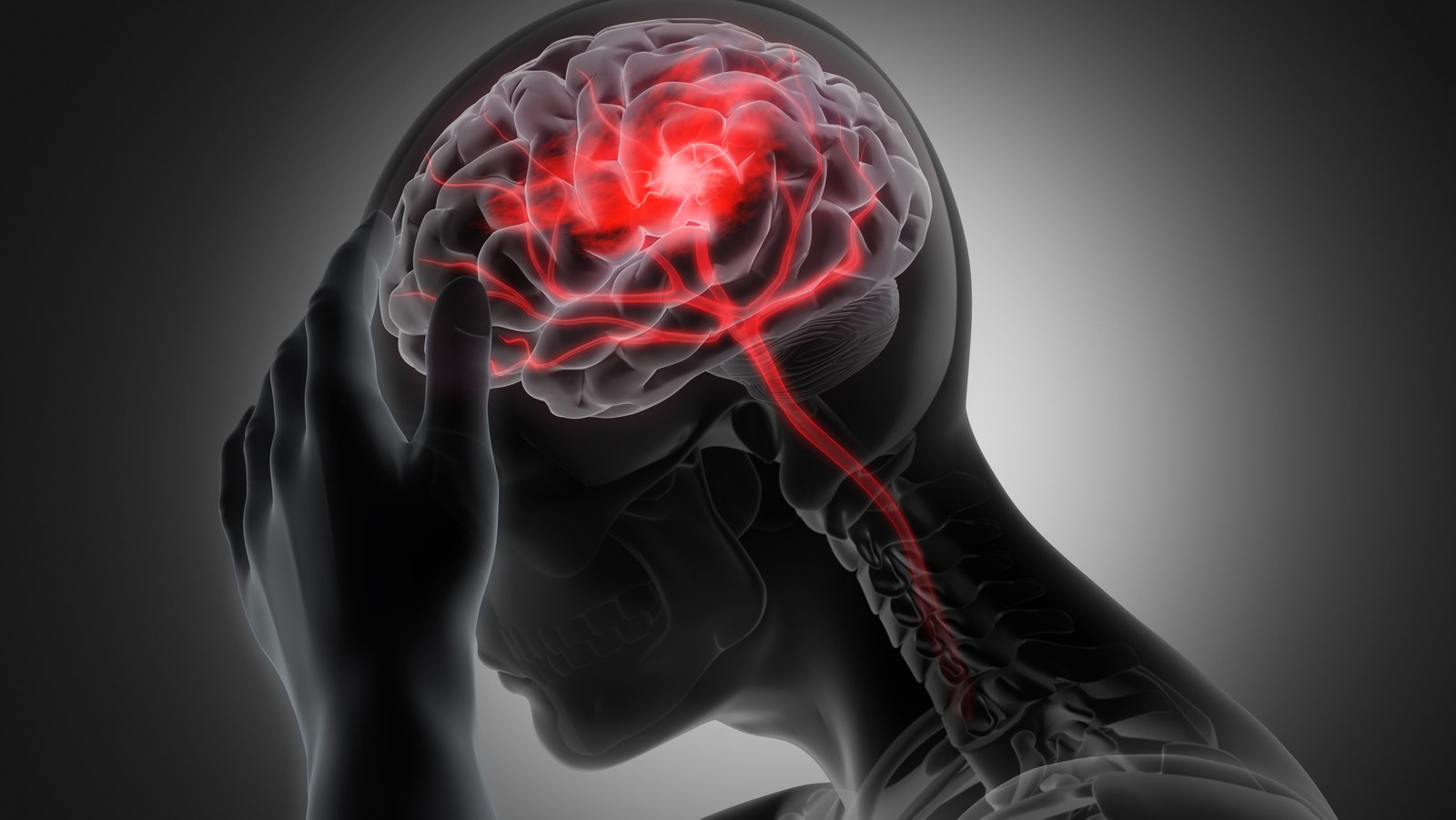
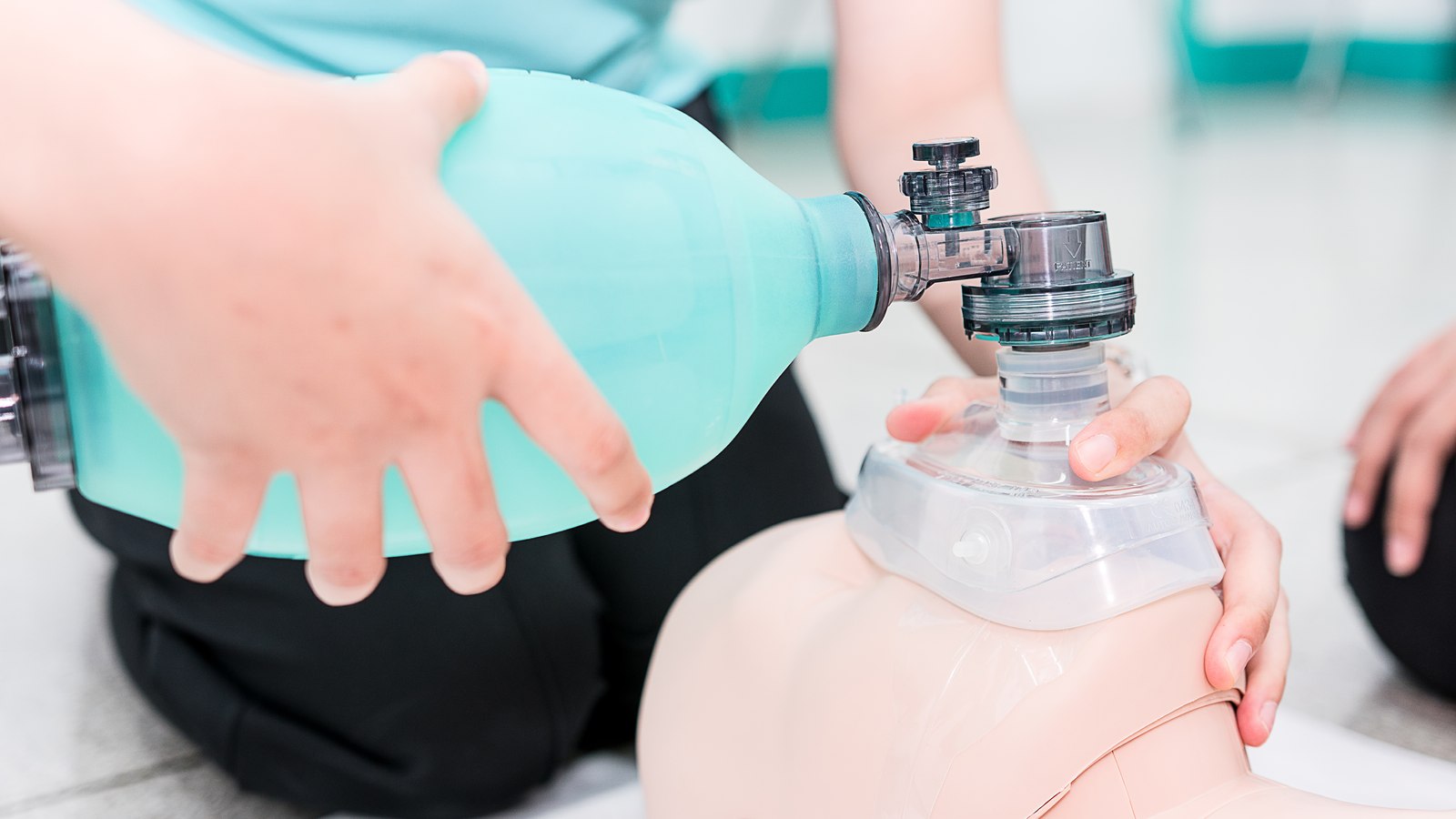
TBI risk factors, managing patient refusals and oxygenation tips for treating head injuries
View on the web

Navigating toxic brain injury: We need a better map

paythelady.61 shared this article with you from Inoreader

GettyImages-816846730.jpg?w=1600&format=

Without real-time feedback to confirm ventilation rate and volume, a piece of the map is missing
View on the web

Head and neck pedicled flap autonomization using a new high‐resolution indocyanine green fluorescence video‐angiography device

paythelady.61 shared this article with you from Inoreader

Abstract

In head and neck oncologic surgery a reconstructive phase is often required and pedicled flaps are still a viable option, though they may need a pedicle division performed at a later stage. Several techniques are commonly used for perfusion assessment of the flaps, with indocyanine green (ICG) fluorescence video-angiography representing a promising tool. We used ICG video-angiography to evaluate the perfusion of two of the most commonly adopted pedicled flaps in the head and neck field (the supraclavicular and the paramedian forehead flap) before and after second-stage pedicle division, allowing a safer in-setting. Moreover, the new high-resolution device that we have employed added further accuracy to the traditional video-angiography, providing a real-time flap-to-normal skin ICG ratio. Indeed, ICG video-angiography proved to be a useful tool in head and neck reconstructive surgery and it may allow an earlier second-stage pedicle division.

View on the web

The TeleDent™ Teledentistry Platform by MouthWatch Now Integrates with Henry Schein’s Dentrix G6 and G7 Practice Management Software

paythelady.61 shared this article with you from Inoreader


The healthcare industry has been on a steady progression toward tele-health  for a few years now.  Covid-19 pushed it more to the forefront of discussions due to its lack of direct contact between provider and patient.  Now as both patients and providers become more adjusted and accepting of the concept, the dental industry is seeing more and more companies supporting the idea.

The latest industry move in the tele-dentistry arena is with practice management software.  As most of you probably know, MouthWatch, LLC makes the incredibly popular MouthWatch intraoral camera.  However, they also are the parent company behind TeleDent, a tele-health company with a focus on dentistry.  

Now, the TeleDent platform can be integrated into Dentrix, the most popular practice management system.  If you are an office that is using either Dentrix G6 or Dentrix G7, you can enjoy T eleDent directly inside the system.

One of the biggest hinderances to acceptance of technology evolution is the lack of integration of new products into existing platforms.  Ease of use is important.  Multiple clicks to bring information into your existing informatics is a hassle.  Here is what MouthWatch is doing now:


MouthWatch, LLC recently announced the integration of its award-winning, market leading TeleDent teledentistry platform with Henry Schein's Dentrix G6 and G7 practice management software. 

According to MouthWatch LLC founder and CEO Brant Herman. "Deploying teledentistry is now easier for Dentrix G6 and G7 users. TeleDent's comprehensive, convenient, and secure virtual care platform is able to scale across the full spectrum of Dentrix G6 and G7 clients, from individual private practices to DSOs with hundreds of locations." 

TeleDent provides Dentrix G6 and G7 users with real-time two-way video confere ncing along with HIPAA-secure patient and provider messaging that can be used on desktop and mobile devices, so practitioners can conduct emergency triages, consultations, pre-visit screenings, post-op visits, and virtual case presentations either synchronously or asynchronously. 

Dental practices using these latest versions of Dentrix can now clinically integrate virtual consults with video recordings, patient records, and intraoral photos within the platform to ensure effective and thorough virtual dental care. What's more, the patient-facing messaging included in the TeleDent platform enables practitioners to communicate directly with patients, and also seamlessly collaborate and share diagnostic information with their dental teams and specialists, in a cloud-based portal. 

TeleDent/Dentrix G6 / G7 integration is now available for new and current TeleDent users. For more information, please contact Jay Martorelli, MouthWatch Director of Sales at sales@mout hwatch.com.

About TeleDent:

TeleDent, the all-in-one teledentistry solution from MouthWatch, LLC was designed to  help dental teams  connect with their patients and collaborate with their colleagues. The recent introduction of new features such as an intuitive, mobile-friendly patient portal, text messaging, and online patient intake, make it easier to connect with patients in the safe and convenient way they now expect. For example, new patient consults, post-op evaluations, home care instructions, specialist referrals and emergency triage can all be conducted with the highest degree of simplicity, security, and safety. TeleDent's professional grade technology can serve as the backbone of key virtual clinical workflows to increase 

efficiency and profitability. In recent years, TeleDent has received several prestigious industry awards, such as The 2020 and 2021 Cellerant Best of Class Award. In 2021, TeleDent also won Dentistry Today's&nb sp; Top Innovative Products, and Top 25 Aesthetic and Restorative Products awards. For more information visit www.TeleDent.com.

About MouthWatch, LLC:

Founded in 2012, MouthWatch, LLC is a leader in innovative teledentistry solutions, digital case presentation tools and intraoral imaging devices. Since its formation, the company has pioneered the integration of digital imaging and communications technology in the field of oral health. This experience makes it possible for MouthWatch to take the lead in introducing the benefits of telemedicine to the world of dentistry. For more information, visit www.MouthWatch.com.



View on the web

Envista Obtains FDA Clearance for Assisted Intelligence Mandibular Nerve Tracing

paythelady.61 shared this article with you from Inoreader


 We are seeing more and more artificial intelligence systems enter into the healthcare space and dentistry in general.  Envista is a large player in the dental space, owning several companies under t he "umbrella" of Envista.

Many of the companies that are owned by Envista have products in the tech sphere and the company works hard with research & development to expand the use of its technologies across its portfolio.

Now comes word that the company has received FDA clearance for mapping of the inferior alveolar nerve.  The process, which has been referred to as "nerve tracing" for years has, until now, required manual input from the doctor. 

Before this discovery, it was necessary for the office to take a CBCT scan and then manually trace points along the mandibular canal.  When completed, the software would plot a line through all of the points to indicate the location of the canal throughout the mandible.

Now... that process has been automated.  I recently made a post about the dental A.I. company Pearl and how that company's FDA clearance was a watershed moment in dentistry.  Now we've reached another A.I. milestone in the profession.  This announcement is groundbreaking and these types of A.I. assisted procedures are only going to become more commonplace.

The profession has shown the FDA that these types of systems work reliably and this is only the beginning.  Here is full announcement from Envista:

Envista announced today the 510(k) Food and Drug Administration (FDA) clearance of its Assisted Intelligence (AI) mandibular nerve tracing feature in its image acquisition and diagnostic software platform DTX Studio Clinic.

The tracing of the mandibular nerve in modern dentistry is of high significance as it influences the available therapeutic options for the patient. The proper visualization of the nerve can prevent complications. When done manually, it is a task that can be both time-consuming and error prone. DTX's AI capabilities supports clinicians as they perform this important task.

This clearance complements a series of AI-powered functionality in DTX Studio Clinic. In 2017, Envista obtained FDA clearance for its AI-driven 3D virtual tooth setup algorithm. In 2020, a further clearance was received for automatic tooth position identification and automated sorting of full-mouth x-ray series. On March 25, the FDA cleared the third AI-focused 510(k) for the fully automated mandibular nerve tracing on CBCT scans.

Amir Aghdaei, Envista CEO, said, "This cle arance is another important step towards our digital strategy of expanding the capabilities of our powerful, unified, and open dental diagnostic software platform DTX Studio Clinic. With its combination of a user-friendly interface and AI-driven functionality, DTX Studio Clinic reduces the time clinicians spend on time-consuming tasks, while simultaneously helping prevent complications and enabling increased focus on the patient. We are particularly proud of our fully automated mandibular nerve tracing functionality with its high clinical relevance for dental implant-based patient rehabilitations."

About Envista Holdings Corporation

Envista is a global family of more than 30 trusted dental brands, including Nobel Biocare, Ormco, DEXIS, and Kerr united by a shared purpose: to partner with professionals to improve lives. Envista helps its customers deliver the best possible patient care through industry-leading dental consumables, solutions, technology, and services. Our comprehensive portfolio, including dental implants and treatment options, orthodontics, and digital imaging technologies, covers a broad range of dentists' clinical needs for diagnosing, treating, and preventing dental conditions as well as improving the aesthetics of the human smile. With a foundation comprised of the proven Envista Business System (EBS) methodology, an experienced leadership team, and a strong culture grounded in continuous improvement, commitment to innovation, and deep customer focus, Envista is well equipped to meet the end-to-end needs of dental professionals worldwide. Envista is one of the largest global dental products companies, with significant market positions in some of the most attractive segments of the dental products industry. For more information, pl ease visit www.envistaco.com.

View on the web

Association of age-related decrease in intracellular-to-total water ratio with that in explosive strength of the plantar flexors: a cross-sectional study

paythelady.61 shared this article with you from Inoreader
We aimed to investigate the association of age-related differences in the intracellular-to-total water ratio with explosive strength of the plantar flexors.
View on the web

Navigating the Regulatory Pathway for Medical Devices—a Conversation with the FDA, Clinicians, Researchers, and Industry Experts

paythelady.61 shared this article with you from Inoreader

Abstract

Successful translation of new and innovative medical products from concept to clinical use is a complex endeavor that requires understanding and overcoming a variety of challenges. In particular, regulatory pathways and processes are often unfamiliar to academic researchers and start-ups, and even larger companies. Growing evidence suggests that the successful translation of ideas to products requires collaboration and cooperation between clinicians, researchers, industry, and regulators. A multi-stakeholder group developed this review to enhance regulatory knowledge and thereby improve translational success for medical devices. Communication between and among stakeholders is identified as a critical factor. Current regulatory programs and processes to facilitate communication and translation of innovative devices are described and discussed. Case studies are used to highlight the importance of flexibility when considering evidence requirements. We provide a revi ew of emerging strategies, opportunities, and best practices to increase the regulatory knowledge base and facilitate medical device translation by all stakeholders.

Graphical abstract

Clinicians, regulators, industry, and researchers require regulatory knowledge and collaboration for successful translation of innovative medical devices

View on the web

Collaboration request

Hi there How would you like to earn a 35% commission for each sale for life by selling SEO services Every website owner requires the ...