Monday, November 14, 2022

Varicella Zoster Virus Reactivation Following COVID‐19 Vaccination in patients with autoimmune inflammatory rheumatic diseases: A cross‐sectional Chinese study of 318 cases

alexandrossfakianakis shared this article with you from Inoreader

Abstract

Recently, varicella-zoster virus (VZV) reactivation has been observed after the administration of coronavirus disease 2019 (COVID-19) vaccines. Autoimmune inflammatory rheumatic diseases (AIIRDs) patients are at a higher risk for VZV reactivation for immunocompromised status. The study aimed to investigate the adverse events (AEs), especially VZV reactivation, following vaccination against SARS-CoV-2 in a Chinese cohort of AIIRD patients. A cross-sectional survey using an online questionnaire was conducted among AIIRD patients and healthy controls (HCs). Multivariate logistic regression was used to identify potential factors associated with VZV reactivation. 318 AIIRD patients and 318 age and sex-matched HCs who got COVID-19 inactivated vaccines were recruited. The main AIIRDs are rheumatoid arthritis (31.8%) and systemic lupus erythematous (23.9%). Most of patients (85.5%) had stable disease and 13.2% of them had aggravation after vaccination. Compared to H Cs, patients had higher rates of rash (p=0.001), arthralgia (p<0.001) and insomnia (p=0.007). In addition, there were 6 (1.9%) AIIRD patients and 5 (1.6%) HCs reported VZV reactivation after the COVID-19 vaccination (p=0.761). Multivariate logistic regression analysis illustrated that diabetes mellitus (OR, 20.69; 95%CI, 1.08-396.79; p=0.044), chronic hepatitis B virus infection (OR, 24.34; 95%CI, 1.27-466.74; p=0.034), and mycophenolate mofetil (OR, 40.61; 95%CI, 3.33-496.15; p=0.004) independently identified patients with VZV reactivation. Our findings showed that the inactivated COVID-19 vaccination was safe for AIIRD patients though some patients could suffer from VZV reactivation.

This article is protected by copyright. All rights reserved.

View on Web

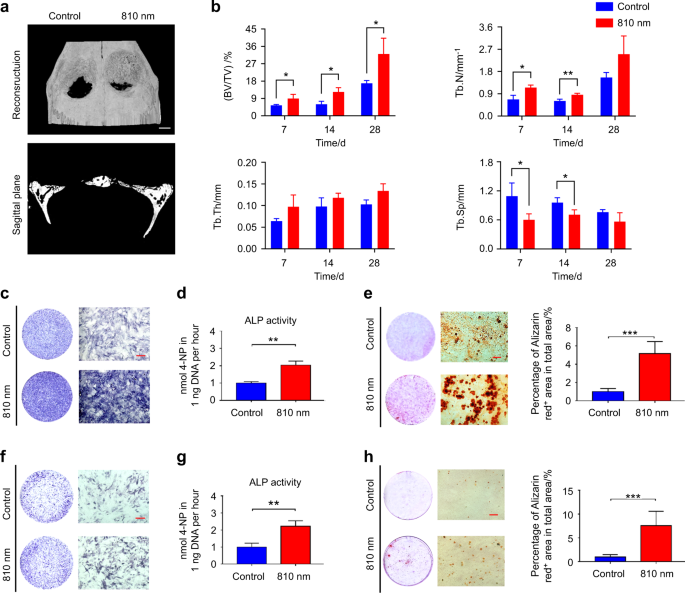
Low intensity near-infrared light promotes bone regeneration via circadian clock protein cryptochrome 1

alexandrossfakianakis shared this article with you from Inoreader

41368_2022_207_Fig1_HTML.png

International Journal of Oral Science, Published online: 14 November 2022; doi:10.1038/s41368-022-00207-y

Low intensity near-infrared light promotes bone regeneration via circadian clock protein cryptochrome 1
View on Web

Sunday, November 13, 2022

Comparison of passive versus active transcutaneous bone anchored hearing devices in the pediatric population

alexandrossfakianakis shared this article with you from Inoreader
Transcutaneous bone anchored hearing devices (BAHDs) were introduced in an effort to avoid potential complications associated with the abutment of percutaneous BAHDs. Transcutaneous BAHDs can be active or pass...
View on Web

Exhaled Mycobacterium tuberculosis Predicts Incident Infection in Household Contacts

alexandrossfakianakis shared this article with you from Inoreader

m_ciac455f1.jpeg?Expires=1731185268&Sign

Abstract
BackgroundHalting transmission of Mycobacterium tuberculosis (Mtb) by identifying infectious individuals early is key to eradicating tuberculosis (TB). Here we evaluate face mask sampling as a tool for stratifying the infection risk of individuals with pulmonary TB (PTB) to their household contacts.
Methods
Forty-six sputum-positive PTB patients in The Gambia (August 2016–November 2017) consented to mask sampling prior to commencing treatment. Incident Mtb infection was defined in 181 of their 217 household contacts as QuantiFERON conversion or an increase in interferon-γ of ≥1 IU/mL, 6 months after index diagnosis. Multilevel mixed-effects logistical regression analysis with cluster adjustment by household was used to identify predictors of incident infection.
Results
Mtb was detected in 91% of PTB mask samp les with high variation in IS6110 copies (5.3 × 10² to 1.2 × 10⁷). A high mask Mtb level (≥20 000 IS6110 copies) was observed in 45% of cases and was independently associated with increased likelihood of incident Mtb infection in contacts (adjusted odds ratio, 3.20 [95% confidence interval, 1.26–8.12]; P = .01), compared with cases having low-positive/negative mask Mtb levels. Mask Mtb level was a better predictor of incident Mtb infection than sputum bacillary load, chest radiographic characteristics, or sleeping proximity.
Conclusions
Mask sampling offers a sensitive and noninvasive tool to support the stratification of individuals who are most infectious in high-TB-burden settings. Our approach can provide b etter insight into community transmission in complex environments.
View on Web

Ultrasonographic Features of Salivary Glands after Radioiodine Therapy in Patients with Thyroid Cancer

alexandrossfakianakis shared this article with you from Inoreader
Ultrasonographic Features of Salivary Glands after Radioiodine Therapy in Patients with Thyroid Cancer

Chronic sialadenitis is the most common radioactive iodine (RAI) treatment complication. We explored the sonographic features of the major salivary glands in patients with papillary thyroid cancer (PTC) treated with RAI. RAI treatment following thyroidectomy is associated with a dose-response effect and adverse changes in the major salivary glands and should be prescribed carefully.


Objective

Chronic sialadenitis is the most common complication of radioactive iodine (RAI) treatment. The aim of the study was to ascertain sonographic features of the major salivary glands in patients with papillary thyroid cancer (PTC) treated with RAI.

Methods

The database of a tertiary medical center was retrospectively searched for consecutive patients who underwent total thyroidectomy for PTC in 2011–2020 with ultrasound follow-up after 1 year. Changes in ultrasound features of the major salivary glands were compared between patients treated or not treated with RAI postoperatively.

Results

The cohort included 158 patients, of whom 109 (69%) were treated postoperatively with RAI (mean dose, 131 mCi) and 49 were not (control group). Sonographic changes were observed in the major salivary glands in 43% of the study group and 18% of the control group (p = 0.002), including coarse echotexture, decreased echogenicity, fibrosis, and atrophy. Higher RAI doses were significantly correlated with the prevalence and severity of glandular changes (p < 0.0001).

Conclusion

RAI treatment following thyroidectomy is associated with a dose–response effect and adverse changes in the major salivary glands and should be prescribed carefully.

Level of Evidence

4 Laryngoscope, 2022

View on Web

Sensory neuromuscular electrical stimulation for dysphagia rehabilitation: A literature review

alexandrossfakianakis shared this article with you from Inoreader

Abstract

Background

Dysphagia is a common disorder following a cerebrovascular accident. It can cause detrimental effects on patient's quality of life and nutrition intake, especially in older adults. Neuromuscular electrical stimulation has been one of the management strategies for acceleration of the recovery. This review summarizes the current evidence on sensory threshold stimulation of the procedure.

Method

This review compiled data from the Internet database PubMed, Cochrane Library and Scopus using combination of MeSH thesaurus: "Sensory threshold", "electrical stimulation", "neuromuscular stimulation", "Deglutition", "Dysphagia". 11 studies were intergraded into the review.

Results

Most of the studies show significant improvement to the outcomes of sensory neuromuscular electrical stimulation treatment. In many cases, the results of the treatment are comparable or superior to motor threshold stimulation and conventional therapy. However, the study design and parameters of the procedure varied greatly without conclusive standardized guidelines.

Conclusion

The sensory neuromuscular electrical stimulation (SNMES) is a viable treatment option for treating oropharyngeal dysphagia. The most suggested application parameters are an intensity at sensory threshold, a frequency of 80 Hz, an impulse time of 700 μs, a combined total duration of 20 hours of stimulation in a 2-week period, placing the electrodes in the submental area of the neck. However, further research is necessary to construct a definitive guideline for clinicians.

View on Web

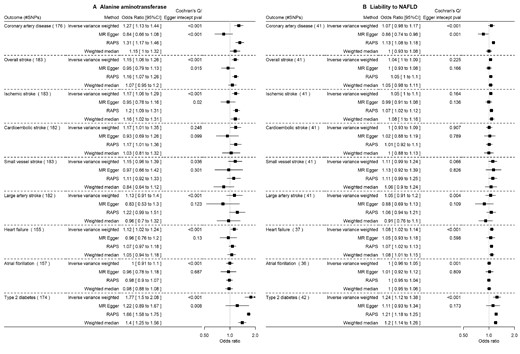
Evaluating the role of non-alcoholic fatty liver disease in cardiovascular diseases and type 2 diabetes: a Mendelian randomization study in Europeans and East Asians

alexandrossfakianakis shared this article with you from Inoreader

m_dyac212f1.jpeg?Expires=1731265321&Sign

Abstract
BackgroundWhether non-alcoholic fatty liver disease (NAFLD) causes cardiovascular disease (CVD) and type 2 diabetes (T2D) is unclear and possible differences between ethnicities have not been thoroughly explored. We used Mendelian randomization (MR) to assess the role of NAFLD in CVD and T2D risk in Europeans and East Asians.
Methods
We conducted a MR study using genetic predictors of alanine aminotransferase (ALT), liability to NAFLD, aspartate transaminase (AST), liver magnetic resonance imaging corrected T1 and proton density fat fraction and combined them with genome-wide association studies (GWAS) summary statistics of CVD, T2D and glycaemic traits (sample size ranging from 14 400 to 977 320). Inverse-variance weighted analysis was used to assess the effect of NAFLD in these outcomes, with sensitivity analyses and replication in FinnGen. We conducted analyses in East Asians using ethnicity-specific genetic predictors of ALT and AST, and the respective outcome GWAS summary statistics.
Results
In Europeans, higher ALT was associated with higher T2D risk (odds ratio: 1.77 per standard deviation, 95% CI 1.5 to 2.08), with similar results for other exposures, across sensitivity analyses and in FinnGen. Although NAFLD proxies were related to higher coronary artery disease (CAD) and stroke risk, sensitivity analyses suggested possible bias by horizontal pleiotropy. In East Asians, higher ALT was possibly associated with higher T2D risk, and ALT and AST were inversely associated with CAD.
Conclusions
NAFLD likely increases the risk of T2D in Europeans and East Asians. Potential differential effects on CAD between Europeans and East Asians require further investigation.
View on Web

Neutrophil‐to‐lymphocyte and hypopharyngeal cancer prognosis: System review and meta‐analysis

alexandrossfakianakis shared this article with you from Inoreader

Abstract

Several studies have reported the value of neutrophil-to-lymphocyte ratio (NLR) for the prognosis of hypopharyngeal cancer. However, contradictory findings have also been published. We aimed to clarify the effect of NLR on the prognosis of hypopharyngeal cancer through meta-analysis. Systematic search of PubMed and other database with study selection and data extraction. The combined hazard ratio (HR) and 95% confidence intervals (CI) were calculated using STATA, applying either a fixed-effects or random-effects model. Meta-regression, subgroup analysis, and sensitivity analysis were used to analyze sources of heterogeneity. Publication bias were also assessed. This meta-analysis included 2232 patients with hypopharyngeal cancer from seven studies. The combined HR (OS, HR = 1.80, 95CI%, 1.14–2.82; PFS, HR = 1.88, 95CI%, 1.26–2.79) suggested that high NLR was associated with poor overall survival (OS) and progression-free survival (PFS). Pretreatment NLR can be used as an effective serological indicator to assess the prognosis of patients with hypopharyngeal cancer.

View on Web

The association between serum 25‐hydroxyvitamin D and the prevalence of herpes simplex virus

alexandrossfakianakis shared this article with you from Inoreader

Abstract

Objective

Previous studies have reported a potential anti-infection effect for vitamin D. However, the relationship between vitamin D status and herpes simplex virus (HSV) infection has not yet been evaluated. Therefore, this study aimed to determine the association between serum 25-hydroxyvitamin D [25(OH)D] and infection with HSV types 1 and 2 (HSV-1 and HSV-2).

Methods

Data were collected from the National Health and Nutrition Examination Survey (NHANES) from 2007-2016. The association between 25(OH)D and HSV prevalence was evaluated using propensity score matching (PSM) and univariate and multivariate logistic regression analyses.

Results

Overall, 14174 participants were included in the final analysis. Before PSM, 8639 (60.9%) had positive HSV-1 and 2636 (18.6%) had HSV-2. The HSV-1 and HSV-2 positive groups had more females and older individuals (P<0.05). The HSV-2 patients had lower 25(OH)D levels than those with HSV-1. Age and g ender did not differ in the groups after PSM (P>0.05). The 25(OH)D level was significantly lower in the HSV-1 and HSV-2 groups than in the non-HSV infection groups. Multivariate logistic regression showed that serum 25(OH)D level was negatively associated with HSV-1 and HSV-2 infection (OR=0.730 and 0.691, P<0.001, respectively). Vitamin D deficiency was an independent risk factor for both HSV-1 and HSV-2 (adjusted OR=2.205 and 2.704, P<0.001, respectively).

Conclusion

Lower serum 25(OH)D levels correlated significantly with increased HSV-1 and HSV-2 infection risk

This article is protected by copyright. All rights reserved.

View on Web

Transplacental transmission of SARS‐CoV‐2 immunoglobulin G antibody to infants from maternal COVID‐19 vaccine immunization before pregnancy

alexandrossfakianakis shared this article with you from Inoreader

Abstract

Background & aim

Coronavirus disease 2019 (COVID-19) vaccine generates functional antibodies in maternal circulation that are detectable in infants, while the information is restricted to the usage of COVID-19 vaccine during pregnancy. In this study, we aimed to evaluate the effect of maternal COVID-19 vaccines before pregnancy.

Method

Infants were included from mothers with no inactivated COVID-19 vaccine, 1-dose, 2-dose and 3-dose before pregnancy, and SARS-CoV-2 IgG antibodies were tested. Comparative analysis was done between the groups.

Results

A total of 130 infants were enrolled in the study. Significantly higher levels of SARS-CoV-2 IgG antibodies in infants born to mothers with 3-dose COVID-19 vaccine before pregnancy compared with 1-dose and 2-dose groups (p<0.0001). The levels of antibodies decreased significantly with age in infants born to mothers with the 3-dose COVID-19 vaccine before pregnancy (r=-0.338, p=0.035), and it w as still higher than that 2-dose COVID-19 vaccine group.

Conclusion

The maternal SARS-CoV-2 antibodies produced from the inactivated COVID-19 vaccine before pregnancy can be transferred to newborns via the placenta. Maternal immunization with 3-dose of the COVID-19 vaccine before pregnancy could be more beneficial for both mothers and infants.

This article is protected by copyright. All rights reserved.

View on Web

Collaboration request

Hi there How would you like to earn a 35% commission for each sale for life by selling SEO services Every website owner requires the ...