Tuesday, October 11, 2022

Prevention of Incisional Hernias by Prophylactic Mesh-augmented Reinforcement of Midline Laparotomies for Abdominal Aortic Aneurysm Treatment: Five-year Follow-up of a Randomized Controlled Trial

alexandrossfakianakis shared this article with you from Inoreader
imageIntroduction: The incidence of incisional hernias (IHs) after open repair of an abdominal aortic aneurysm (AAA) is high. Several randomized controlled trials have reported favorable results with the use of prophylactic mesh to prevent IHs, without increasing complications. In this analysis, we report on the results of the 60-month follow-up of the PRIMAAT trial. Methods: In a prospective, multicenter, open-label, randomized design, patients were randomized between prophylactic retrorectus mesh reinforcement (mesh group), and primary closure of their midline laparotomy after open AAA repair (no-mesh group). This article reports on the results of clinical follow-up after 60 months. If performed, ultrasonography or computed tomography were used for the diagnosis of IHs. Results: Of the 120 randomized patients, 114 were included in the intention-to-treat analysis. Thirty-three patients in the no-mesh group (33/58—56.9%) and 34 patients in the mesh group (34/56—60.7%) were evaluated after 5 years. In each treatment arm, 10 patients died between the 24-month and 60-month follow-up. The cumulative incidence of IHs in the no-mesh group was 32.9% after 24 months and 49.2% after 60 months. No IHs were diagnosed in the mesh group. In the no-mesh group, 21.7% (5/23) underwent reoperation within 5 years due to an IH. Conclusions: Prophylactic retrorectus mesh reinforcement after midline laparotomy for the treatment of AAAs safely and effectively decreases the rate of IHs. The cumulative incidence of IHs after open AAA repair, when no mesh is used, continues to increase during the first 5 years after surgery, which leads to a substantial rate of hernia repairs.
View on Web

HOXA3 and KDM6A cooperate in transcriptional control of aerobic glycolysis and glioblastoma progression

alexandrossfakianakis shared this article with you from Inoreader
Abstract
Background
Alterations in transcriptional regulators of glycolytic metabolism have been implicated in brain tumor growth, but the underlying molecular mechanisms remain poorly understand.
Methods
Knockdown and overexpression cells were used to explore the functional roles of HOXA3 in cell proliferation, tumor formation and aerobic glycolysis. Chromatin immunoprecipitation, luciferase assays and western blotting were performed to verify the regulation of HK2 and PKM2 by HOXA3. PLA, Immunoprecipitation and GST pull down assays were used to examine the interaction of HOXA3 and KDM6A.
Results
We report that transcription factor homeobox A3 (HOXA3), which is aberrantly highly expressed in glioblastoma (GBM) patients and predicts poor prognosis, transcriptionally activates aerobic glycolysis, leading to a significant acceleration in cell proliferation and tumor growth. Mechanically, we identified KDM6A, a lysine-specific dem ethylase, as an important cooperator of HOXA3 to regulating aerobic glycolysis. HOXA3 activates KDM6A transcription and recruits KDM6A to genomic binding sites of glycolytic genes, targeting glycolytic genes for transcriptional activation by removing the suppressive histone modification H3K27 trimethylation. Further evidences demonstrate that HOXA3 requires KDM6A for transcriptional activation of aerobic glycolysis and brain tumor growth.
Conclusion
Our findings provide a novel molecular mechanism linking HOXA3-mediated transactivation and KDM6A-coupled H3K27 demethylation in regulating glucose metabolism and GBM progression.
View on Web

Prognosis of Deantigenated Equine Bone Used for Bone Augmentation: A Multicenter Retrospective Study on Early and Late Postsurgical Complications in 81 Consecutive Patients

alexandrossfakianakis shared this article with you from Inoreader

Abstract

Purpose

To evaluate the clinical outcome of deantigenated equine bone (DEB) grafts in a series of patients treated with DEB at six months postaugmentation.

Materials and Methods

One hundred DEB grafts were inserted in 81 patients between January 2004 and December 2006. Thirty-two DEBs were blocks and 68 were granules (52 sinus lift and 16 guided bone regeneration [GBR] procedures performed). A total of 147 implants were inserted. A Pearson chi-square test was used to detect any statistically significant correlation between the studied variables and early and/or late failures.

Results

There were 6 early and 26 late graft failures and another 16 failures after prosthesis placement. The overall failure rate was 25% in the GBR procedures, 31.9% in sinus lift, and 54.3% with blocks, for a total complication rate of 39.5%. A statistically significant relation was detected with respect to graft type and early complications (p = .005), with a worse outcome for DEB blocks compared to granules. After provisional prosthesis restoration, 23 implants were lost, and another 41 failed after definitive prosthesis delivery, for an overall failure rate of 43.5%. The follow-up period was 3 years after surgery.

Conclusions

DEB grafting material had a very high rate of complications. Blocks had more than 50% failures, mainly in the immediate postoperative period. Other procedures such as GBR and sinus lift also showed more than 25% infections and resorption, and late failures (i.e., after-implant placement) were also common. Our results show that DEB is less than ideal for crestal bone reconstruction.

View on Web

Monday, October 10, 2022

Nasal and Plasma SARS-CoV-2 RNA Levels are Associated with Timing of Symptom Resolution in the ACTIV-2 Trial of Non-hospitalized Adults with COVID-19

alexandrossfakianakis shared this article with you from Inoreader

cid_ogimage.png

Abstract
Acute COVID-19 symptoms limit daily activities, but little is known about its association with SARS-CoV-2 viral burden. In this exploratory analysis of placebo recipients in the ACTIV-2/A5401 platform trial, we showed that high anterior nasal (AN) RNA levels and detectable plasma RNA were associated with delayed symptom improvement.
View on Web

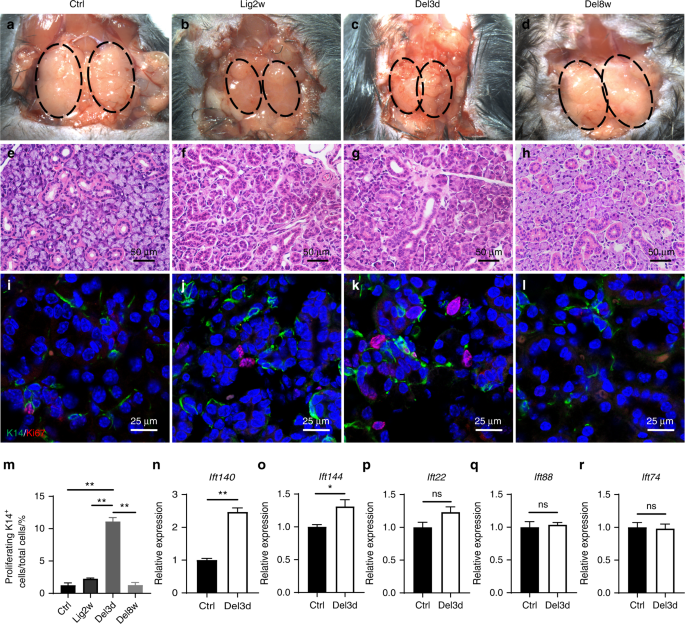
IFT140+/K14+ cells function as stem/progenitor cells in salivary glands

alexandrossfakianakis shared this article with you from Inoreader

41368_2022_200_Fig1_HTML.png

International Journal of Oral Science, Published online: 10 October 2022; doi:10.1038/s41368-022-00200-5

IFT140+/K14+ cells function as stem/progenitor cells in salivary glands
View on Web

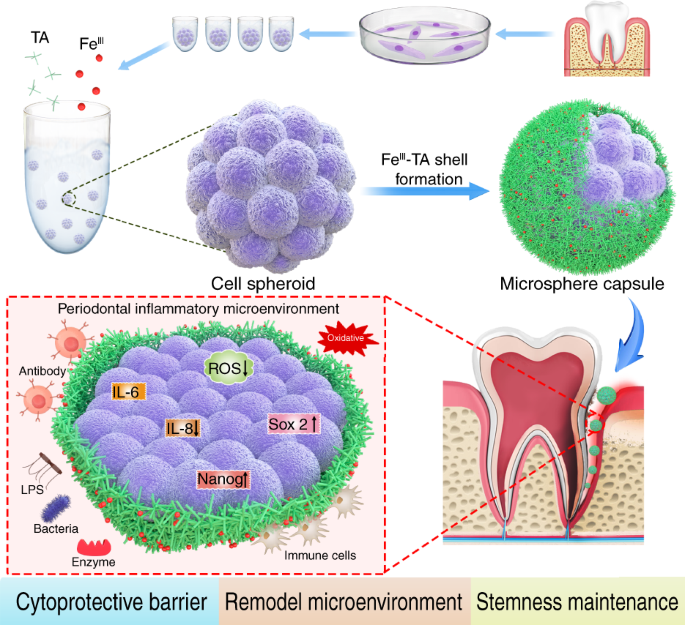
Stem cell microencapsulation maintains stemness in inflammatory microenvironment

alexandrossfakianakis shared this article with you from Inoreader

41368_2022_198_Figa_HTML.png

International Journal of Oral Science, Published online: 10 October 2022; doi:10.1038/s41368-022-00198-w

Stem cell microencapsulation maintains stemness in inflammatory microenvironment
View on Web

Neurological Applications of Belzutifan in von Hippel Lindau Disease

alexandrossfakianakis shared this article with you from Inoreader
Abstract
Von Hippel Lindau (VHL) disease is a tumor predisposition syndrome caused by mutations in the VHL gene that presents with visceral neoplasms and growths, including clear cell renal cell carcinoma, and central nervous system manifestations, such as hemangioblastomas of the brain and spine. The pathophysiology involves a dysregulation of oxygen sensing caused by inability to degrade HIFα, leading to overactivation of hypoxic pathways. Hemangioblastomas are the most common tumors in patients with VHL and cause significant morbidity. Until recently, there were no systemic therapies available for patients that could effectively reduce the size of these lesions. Belzutifan, the first approved HIF-2α inhibitor, has demonstrated benefit in VHL-associated tumors, with a 30% response rate in hemangioblastomas and ~30-50% reduction in their sizes over the course of treatment. Anemia is the most prominent adverse eff ect, affecting 76-90% of participants and sometimes requiring dose reduction or transfusion. Other significant adverse events include hypoxia and fatigue. Overall, belzutifan is well tolerated; however, long term data on dosing regimens, safety, and fertility are not yet available. Belzutifan holds promise for treatment of neurological manifestations of VHL and its utility may influence the clinical management paradigms for this patient population.
View on Web

Global survival trends for brain tumours, by histology: analysis

alexandrossfakianakis shared this article with you from Inoreader
Abstract
Introduction
Tumours of the central nervous system are among the leading causes of cancer-related death in children. Population-based cancer survival reflects the overall effectiveness of a health care system in managing cancer. Inequity in access to care world-wide may result in survival disparities.
Methods
We considered children (0-14 years) diagnosed with a brain tumour during 2000-2014, regardless of tumour behaviour. Data underwent a rigorous, three-phase quality control as part of CONCORD-3. We implemented a revised version of the International Classification of Childhood Cancer (3 rd edition) to control for under-registration of non-malignant astrocytic tumours. We estimated net survival using the unbiased non-parametric Pohar Perme estimator.
Results
The study included 67,776 children. We estimated survival for 12 histology groups, each based on relevant ICD-O-3 codes. Age-standardised five-year net survival for low-grade astrocytoma ranged between 84% and 100% world-wide during 2000-2014. In most countries, five-year survival was 90% or more during 2000-2004, 2005-2009 and 2010-2014. Global variation in survival for medulloblastoma was much wider, with age-standardised five-year net survival between 47% and 86% for children diagnosed during 2010-2014.
Conclusions
To the best of our knowledge, this study provides the largest account to date of global trends in population-based survival for brain tumours in children, by histology. We devised an enhanced version of ICCC-3 to account for differences in cancer registration practices world-wide. Our findings may have public health implications, because low-grade glioma is one of the six index childhood cancers included by WHO in the Global Initiative for Childhood Cancer.

View on Web

Sunday, October 9, 2022

Fourteen years old as the best age cutoff to differentiate prepubertal from pubertal papillary thyroid carcinoma

alexandrossfakianakis shared this article with you from Inoreader

Abstract

Background

It is unclear whether differences in clinical presentation and/or prognosis exist between prepubertal papillary thyroid cancer (PTC) and pubertal PTC. At present, there is a lack of definition for the appropriate cutoff age to define prepubertal PTC.

Methods

This study retrospectively reviewed 227 pediatric PTC patients (aged ≤18 years) who underwent initial surgery from March 2000 to December 2018. The median duration of follow-up was 85 months (range, 8–258).

Results

The age range was basically linearly related to multiple risk factors, such as T3–T4 disease, distant metastasis. Age (p = 0.032) was an independent risk factor for recurrence and persistent disease. Patients aged <14 years had obviously higher rates of extensive disease. The 10-year disease-free survival (DFS) rate of patients aged <14 years was 59.5% and that of patients aged ≥14 years was 82.6% (p = 0.004).

Conclusions

Fourteen years of age may be an appropriate cutoff to differentiate prepubertal PTC from pubertal PTC.

View on Web

Feasibility of clinical evaluation of individuals with increased risk for HPV‐associated oropharynx cancer

alexandrossfakianakis shared this article with you from Inoreader

Abstract

Background

Human papillomavirus-associated oropharynx squamous cell carcinoma (HPV-OPSCC) has no known pre-malignant lesion. While vaccination offers future primary prevention, there is current interest in secondary prevention. The feasibility of clinical evaluation of individuals at increased risk for HPV-OPSCC is unclear.

Methods

Individuals with risk factors for HPV-OPSCC were enrolled in a prospective study (MOUTH). Participants positive for biomarkers associated with HPV-OPSCC were eligible for a clinical evaluation which comprised a head and neck examination and imaging with ultrasound and/or magnetic resonance imaging (MRI). This study was designed to evaluate feasibility of clinical evaluation in a screening study.

Results

Three hundred and eighty-four participants were eligible for clinical evaluation. Of the 384, 204 (53%) completed a head and neck examination or imaging. Of these, 66 (32%) completed MRI (n = 51) and/or ultrasound (n = 64) studies.

Conclusions

Clinical evaluations, including head and neck examination and imaging, are feasible in the context of a screening study for HPV-OPSCC.

View on Web

Timing of Oral Feeding in Patients Who have Undergone Free Flap Reconstruction for Oral Cancer

alexandrossfakianakis shared this article with you from Inoreader
Timing of Oral Feeding in Patients Who have Undergone Free Flap Reconstruction for Oral Cancer


Objective

Determine the safety and effectiveness of a nasogastric tube removal plan designed to shorten nasogastric tube indwelling time after oral cancer surgery plus free flap reconstruction.

Materials and Methods

A parallel randomized clinical trial was conducted from May 2021 to December 2021 at Peking University School of Stomatology. Volunteers (n = 128) were separated into four groups: non-tracheostomy control and intervention groups and tracheostomy control and intervention groups. Control patients received the conventional nasogastric tube removal plan. Non-tracheotomy intervention patients were asked to swallow 5 ml of water on the first postoperative day. If there was no coughing, they were allowed progressively increasing amounts of water for the following 2 days. The nasogastric tube was removed only after ensuring level I/II performance on the Watian water swallowing test, no "wet voice" after drinking water, no marked decrease in blood oxygen saturation after drinking, and satisfactory daily oral nutritional intake. Tracheotomy intervention patients received the same protocol plus an additional Watian water swallowing test after tracheal tube removal.

Results

Nasogastric tube removal time was earlier in the intervention subgroups than in control subgroups: 5.0 ± 2.3 days versus 7.8 ± 3.9 days (p = 0.001) in non-tracheostomy patients and 9.8 ± 1.1 days versus 16.2 ± 13.0 days (p = 0.049) in tracheostomy patients. Incidence of wound complications and daily food intake were comparable between the groups. The incidence of pneumonia was lower in the tracheostomy intervention group than in the tracheostomy control group (12.5% vs. 3.1%, p = 0.162). Pharyngeal pain score was lower in tracheotomy intervention patients than in tracheotomy control patients (p = 0.029). Postoperative hospital stay was shorter in tracheotomy intervention patients than in tracheotomy control patients (p = 0.005).

Conclusions

On the basis of ensuring safety and effectiveness, patients undergone free flap reconstruction for oral cancer could be offered oral intake early after surgery, which will not increase the incidence of wound complications and pneumonia or adversely affecting the oral intake of the patients; it can also help minimize pharyngeal pain and shorten postoperative hospital stay of patients with a tracheotomy.

Level of Evidence

II Laryngoscope, 2022

View on Web

Collaboration request

Hi there How would you like to earn a 35% commission for each sale for life by selling SEO services Every website owner requires the ...