Monday, June 6, 2022

Prenatal Exposure to Insecticides and Weight Trajectories Among South African Children in the VHEMBE Birth Cohort

alexandrossfakianakis shared this article with you from Inoreader
imageBackground: Dichlorodiphenyltrichloroethane (DDT) or pyrethroid insecticides are sprayed inside dwellings for malaria vector control, resulting in high exposure to millions of people, including pregnant women. These chemicals disrupt endocrine function and may affect child growth. To our knowledge, few studies have investigated the potential impact of prenatal exposure to DDT or pyrethroids on growth trajectories. Methods: We investigated associations between gestational insecticide exposure and child growth trajectories in the Venda Health Examination of Mothers, Babies and their Environment, a birth cohort of 751 children born between 2012 and 2013 in South Africa. Based on child weight measured at follow-up and abstracted from medical records, we modeled weight trajectories from birth to 5 years using SuperImposition, Translation and Rotation, which estimated two child-specific parameters: size (average weight) and tempo (age at peak weight velocity). We estimated associations between peripartum maternal concentrations of serum DDT, dichlorodiphenyldichloroethylene, or urinary pyrethroid metabolites and SuperImposition, Translation and Rotation parameters using marginal structural models. Results: We observed that a 10-fold increase in maternal concentrations of the pyrethroid metabolite trans-3-(2,2,-dicholorvinyl)-2,2-dimethyl-cyclopropane carboxylic acid was associated with a 21g (95% confidence interval = −40, −1.6) smaller size among boys but found no association among girls (Pinteraction = 0.07). Estimates suggested that pyrethroids may be associated with earlier tempo but were imprecise. We observed no association with serum DDT or dichlorodiphenyldichloroethylene. Conclusions: Inverse associations between pyrethroids and weight trajectory parameters among boys are consistent with hypothesized disruption of androgen pathways and with our previous research in this population, and support the endocrine-disrupting potential of pyrethroids in humans.
View on Web

Prenatal Antidepressant Exposure and the Risk of Attention-deficit/Hyperactivity Disorder in Childhood: A Cohort Study With Triangulation

alexandrossfakianakis shared this article with you from Inoreader
imageBackground: Uncontrolled confounding from maternal depression and genetic and environmental factors is expected in studies investigating the effect of prenatal antidepressant exposure on the risk of attention-deficit/hyperactivity disorder (ADHD) in childhood and may explain inconsistencies in the existing evidence. We aimed to assess this effect using triangulation. Methods: Using population-based health registries, we conducted a nationwide cohort study of all children born in Denmark between 1997 and 2017 and followed through 2018 for ADHD. We assessed the effect of prenatal antidepressant exposure on the risk of ADHD in childhood by comparing children with and without prenatal antidepressant exposure in terms of adjusted incidence rate ratios (IRRs), adjusted incidence rate differences (IRDs), and adjusted risk differences (RDs) and the associated 95% confidence intervals (CIs). We triangulated results from four different analytic approaches: an overall analysis, a negative control analysis, a sibling analysis, and a former-user analysis. Results: The overall study cohort consisted of 1,253,362 children, among whom 28,910 (2.3%) had prenatal antidepressant exposure. ADHD during follow-up was diagnosed among 1,411 (4.9%) of the exposed and in 37,196 (3.0%) of the unexposed children. Triangulation suggested an IRR of 1.09–1.15; an IRD less than 1 case/1,000 person-years, and an RD of 0.9%–2.2% over an up to 18-year period. Conclusions: Based on triangulation, we estimated a modest effect of prenatal antidepressant exposure on the risk of ADHD in childhood. However, considering the limitations of our approaches, this observed association may be partially due to residual biases. See video abstract at, http://links.lww.com/EDE/B935.

View on Web

Beyond Vaccination Rates: A Synthetic Random Proxy Metric of Total SARS-CoV-2 Immunity Seroprevalence in the Community

alexandrossfakianakis shared this article with you from Inoreader
imageBackground: Explicit knowledge of total community-level immune seroprevalence is critical to developing policies to mitigate the social and clinical impact of SARS-CoV-2. Publicly available vaccination data are frequently cited as a proxy for population immunity, but this metric ignores the effects of naturally acquired immunity, which varies broadly throughout the country and world. Without broad or random sampling of the population, accurate measurement of persistent immunity post-natural infection is generally unavailable. Methods: To enable tracking of both naturally acquired and vaccine-induced immunity, we set up a synthetic random proxy based on routine hospital testing for estimating total immunoglobulin G (IgG) prevalence in the sampled community. Our approach analyzed viral IgG testing data of asymptomatic patients who presented for elective procedures within a hospital system. We applied multilevel regression and poststratification to adjust for demographic and geographic discrepancies between the sample and the community population. We then applied state-based vaccination data to categorize immune status as driven by natural infection or by vaccine. Results: We validated the model using verified clinical metrics of viral and symptomatic disease incidence to show the expected biologic correlation of these entities with the timing, rate, and magnitude of seroprevalence. In mid-July 2021, the estimated immunity level was 74% with the administered vaccination rate of 45% in the two counties. Conclusions: Our metric improves real-time understanding of immunity to COVID-19 as it evolves and the coordination of policy responses to the disease, toward an inexpensive and easily operational surveillance system that transcends the limits of vaccination datasets alone.
View on Web

Use of Recently Vaccinated Individuals to Detect Bias in Test-Negative Case–Control Studies of COVID-19 Vaccine Effectiveness

alexandrossfakianakis shared this article with you from Inoreader
imagePostauthorization observational studies play a key role in understanding COVID-19 vaccine effectiveness following the demonstration of efficacy in clinical trials. Although bias due to confounding, selection bias, and misclassification can be mitigated through careful study design, unmeasured confounding is likely to remain in these observational studies. Phase III trials of COVID-19 vaccines have shown that protection from vaccination does not occur immediately, meaning that COVID-19 risk should be similar in recently vaccinated and unvaccinated individuals, in the absence of confounding or other bias. Several studies have used the estimated effectiveness among recently vaccinated individuals as a negative control exposure to detect bias in vaccine effectiveness estimates. In this paper, we introduce a theoretical framework to describe the interpretation of such a bias indicator in test-negative studies, and outline strong assumptions that would allow vaccine effectiveness among recently vaccinated individuals to serve as a negative control exposure.
View on Web

Incretin-Based Drugs and the Incidence of Prostate Cancer Among Patients With Type 2 Diabetes

alexandrossfakianakis shared this article with you from Inoreader
imageBackground: There is some evidence that glucagon-like peptide 1 (GLP-1) receptor agonists and dipeptidyl peptidase-4 (DPP-4) inhibitors have chemopreventive effects on prostate cancer cells but real-world evidence for this possible effect is lacking. Thus, the objective of this study was to estimate whether use of GLP-1 receptor agonists and DPP-4 inhibitors, separately, is associated with a decreased risk of prostate cancer among patients with type 2 diabetes. Methods: We assembled two new-user, active-comparator cohorts using the UK Clinical Practice Research Datalink (2007 to 2019). The first cohort included 5,063 initiators of GLP-1 receptor agonists and 112,955 of sulfonylureas. The second cohort included 53,529 initiators of DPP-4 inhibitors and 114,417 of sulfonylureas. We fit Cox proportional hazards models to estimate adjusted hazard ratios (HRs) and 95% confidence intervals (CIs) for prostate cancer. We weighted the models using propensity score fine stratification, which considered over 50 potential confounders. Results: GLP-1 receptor agonists were associated with a decreased risk of prostate cancer when compared with sulfonylureas (incidence rates = 156.4 vs. 232.0 per 100,000 person-years, respectively; HR = 0.65; 95% CI = 0.43, 0.99). DPP-4 inhibitors were also associated with a decreased risk of prostate cancer when compared with sulfonylureas (incidence rates = 316.2 vs. 350.5 events per 100,000 person-years, respectively; HR = 0.90; 95% CI = 0.81, 1.00). Conclusions: The results of this study are consistent with the hypothesis that the use of GLP-1 receptor agonists and DPP-4 inhibitors, separately, may decrease the risk of prostate cancer when compared with the use of sulfonylureas.
View on Web

Gestational hypertensive disorders and maternal breast cancer risk in a nationwide cohort of 40,720 parous women

alexandrossfakianakis shared this article with you from Inoreader

SocialThumb.00001648.DC.jpeg

Background: Pre-eclampsia and gestational hypertension are hypothesized to be associated with reduced maternal breast cancer risk, but the epidemiologic evidence is inconclusive. Our objective was to examine associations between gestational hypertensive disorders and breast cancer in a nationwide cohort of women with a family history of breast cancer. Methods: Women ages 35-74 years who had a sister previously diagnosed with breast cancer, but had never had breast cancer themselves, were enrolled in the Sister Study from 2003-2009 (N=50,884). At enrollment, participants reported diagnoses of eclampsia, pre-eclampsia, or gestational hypertension in each pregnancy. We used Cox proportional hazards models to estimate HRs and 95% CIs for the association between history of a gestational hypertensive disorder and incident invasive breast cancer or ductal carcinoma in situ among 40,720 parous women. We used age as the time scale and adjusted for birth cohort, race–ethnicity, and reproductive, socioeconomic, and behavioral factors. We examined effect measure modification by risk factors for gestational hypertensive disease and breast cancer and assessed possible etiologic heterogeneity across tumor characteristics. Results: The prevalence of gestational hypertensive disease was 12%. During follow-up (mean=10.9 years), 3198 eligible women self-reported a breast cancer diagnosis. History of a gestational hypertensive disorder was not associated with breast cancer risk (HR=1.0, 95% CI 0.90, 1.1). We did not observe clear evidence of effect measure modification or etiologic heterogeneity. Conclusions: History of a gestational hypertensive disorder was not associated with breast cancer risk in a cohort of women with a first-degree family history of breast cancer. Copyright © 2022 Wolters Kluwer Health, Inc. All rights reserved.
View on Web

Sunday, June 5, 2022

DIPG-40. Combined pharmacological and genetic screening to identify dependencies and combinations in ACVR1-mutant diffuse midline glioma

alexandrossfakianakis shared this article with you from Inoreader
Abstract
Somatic mutations in ACVR1, which encodes the serine/threonine kinase ALK2, are found in 20-25% of DMG-H3K27 patients. Treatment of ACVR1-mutant patient-derived models with multiple chemotypes of ALK2 inhibitors (ALK2i) results in reduced cell viability in vitro and extended survival in orthotopic xenografts in vivo but, as single agents, these inhibitors were unable to achieve a complete anti-tumour response. Recently we reported that combinatorial treatment of ACVR1-mutant DIPG cells with vandetanib (RTK inhibitor) and everolimus (mTOR/ABC transporter inhibitor) was synergistic both in vitro and in vivo and was shown to be a feasible combination to trial clinically in this setting. To identify specific dependencies in ACVR1-mutant cells which may be translatable with novel synergistic drug combinations alongside ALK2i, we have implemented both candidate and unbiased drug and genetic screening approaches. Using a panel of patient-derived ACVR1-m utant and wild-type models, we identified synergy between multiple chemotypes of ALK2i (M4K2009/LDN-214117) and PI3K/mTOR (AZD8055/everolimus) and MEK inhibitors (trametinib), reflecting the common co-segregation of PIK3CA/PIK3R1 alterations in these tumours. Whole-genome CRISPR/Cas9 screening of ACVR1-mutant SU-DIPG-IV cells in combination with two ALK2i (M4K2009/LDN-193189), confirmed a specific MTOR genetic dependency, as well as for the protein phosphatase regulatory subunit PPP2R1A, known to play a role in MAPK pathway activation. Additional hits include the serine/threonine kinase PKMYT1, a negative regulator of the G2/M checkpoint via a functionally redundant phosphorylation of CDK1/CCNB1 alongside WEE1; confirmatory drug assays with the WEE1 inhibitor AZD1775 resulted in a synergistic interaction with ALK2i in ACVR1-mutant cells. Hits were integrated with DepMap using 'gene-effect' scores (Chronos) enabling filtering of common essential genes. Preliminary pathway enrichm ent analysis (MAGeCKFlute) identified ALK2i-specific vulnerabilities involving TGFB1/SMAD signalling and histone deacetylation. These data highlight functionally rational and novel combinatorial possibilities for children with ACVR1-mutant DMG, with systematic preclinical assessment required for prioritisation for the clinic.
View on Web

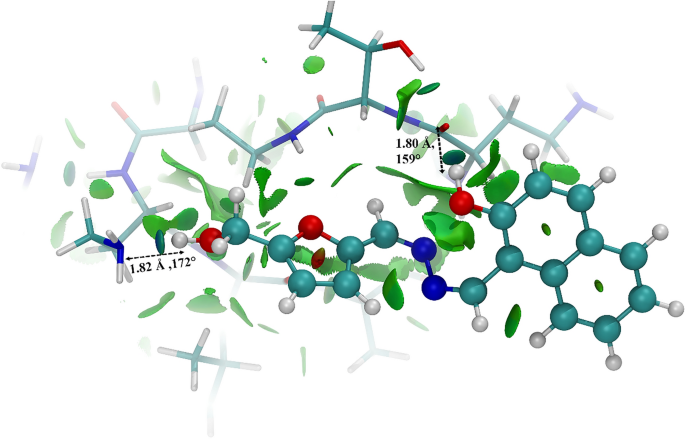
Reliable fluorescence technique to detect the antibiotic colistin, a possible environmental threat due to its overuse

alexandrossfakianakis shared this article with you from Inoreader

41598_2022_13471_Fig1_HTML.png

View on Web

The clinical and bioinformatics analysis for the role of anti‐hypertension drugs on mortality among patients with hypertension hospitalized with COVID‐19

alexandrossfakianakis shared this article with you from Inoreader

Abstract

Comorbidities such as hypertension could exacerbate symptoms of COVID-19 infection. Patients with hypertension may receive both anti-COVID-19 and anti-hypertension therapies when infected with COVID-19. However, it is not clear how different classes of anti-hypertension drugs impact the outcome of COVID-19 treatment. Herein, we explore the association between the inpatient use of different classes of anti-hypertension drugs and mortality among patients with hypertension hospitalized with COVID-19. We totally collected data from 278 patients with hypertension diagnosed with COVID-19 admitted to hospitals in Wuhan from February 01 to April 01, 2020. A retrospective study was conducted and single cell RNA-Seq analysis of treatment-related genes was performed. The results showed that angiotensin II receptor blockers (ARB) and calcium channel blockers (CCB) drugs significantly increased the survival rate but the use of ACEI/beta-block/diuretic drugs did not affec t the mortality caused by COVID-19. Based on the analysis of four public datasets of single-cell RNA-seq on COVID-19 patients, we concluded that JUN, LST1 genes may play a role in the effect of ARB on COVID-19 related mortality while CALM1 gene may contribute to the effect of CCB on COVID-19 related mortality. Our results provide guidance on the selection of anti-hypertension drugs for hypertensive patients infected with COVID-19.

This article is protected by copyright. All rights reserved.

View on Web

Clinical efficacy and in vitro neutralization capacity of monoclonal antibodies for SARS‐CoV‐2 delta and omicron variants

alexandrossfakianakis shared this article with you from Inoreader

Abstract

We aimed to provide in vitro data on the neutralization capacity of different monoclonal antibody (mAb) preparations against the SARS-CoV-2 delta and omicron variant, respectively, and describe the in vivo RNA kinetics of COVID-19 patients treated with the respective mAbs. Virus neutralization assays were performed to assess the neutralizing effect of the mAb formulations casirivimab/imdevimab and sotrovimab on the SARS-CoV-2 delta and omicron variant. Additionally, respiratory tract SARS-CoV-2 RNA kinetics are provided for 25 COVID-19 patients infected with either delta variant (n=18) or omicron variant (n=7) treated with the respective mAb formulations during their hospital stay. In the virus neutralization assay, sotrovimab exhibits neutralizing capacity at therapeutically achievable concentrations against the SARS-CoV-2 delta and omicron variant. In contrast, casivirimab/imdevimab had neutralizing capacity against the delta variant but fail ed neutralization against the omicron variant except for a very high concentration above the currently recommended therapeutic dosage. In patients with delta variant infections treated with casivirimab/imdevimab, we observed a rapid decrease of respiratory viral RNA at day three after mAb therapy. In contrast, no such prompt decline was observed in patients with delta variant or omicron variant infections receiving sotrovimab.

This article is protected by copyright. All rights reserved.

View on Web

Collaboration request

Hi there How would you like to earn a 35% commission for each sale for life by selling SEO services Every website owner requires the ...