Thursday, January 3, 2019

Improving LSPR Sensing Performance by Multilayered Composition Graded Ag-Cu Nanotriangle Arrays

Chem. Commun., 2019, Accepted Manuscript
DOI: 10.1039/C8CC08813F, Communication
Steven R. Larson, Zilan Yang, Yiping Zhao
Patterned nanotriangle arrays with composition graded and multilayered Ag-Cu were fabricated by a co-deposition and nanosphere lithography process. With the increase of number of the layers or constructing a continuum...
The content of this RSS Feed (c) The Royal Society of Chemistry


from Journals via hj on Inoreader https://rsc.li/2R6ynJa

Guardian Grinches

By Paul Homewood


GWPF reposts Dominic Lawson's piece in the Mail about the Guardian grinches:

 image

Of all the accounts of Christmases ruined by the Gatwick drone incident, the most affecting came from 16-year-old Tivka Dillner.

She described, in a letter to the Guardian, how her grandfather's dying wish was that his five grandchildren — who'd never before been on a plane — should be able to enjoy a Christmas trip to Lapland

'My grandma kept the trip a secret from us until December 17, when she broke the news: we would be getting a plane early in the morning, riding on a sleigh, meeting Father Christmas and his elves, petting reindeer and so much more in one beautiful day. We were ecstatic.'

Tivka went on to describe the 'heartbreak' when the flight was cancelled after the emergency shutdown of Gatwick's runway: 'I've never heard my grandma cry so much — she is devastated.'

Jan Johnson (centre) had paid for a Lapland trip for her grandchildren - from left, Tori, 12, Teddy, 10, Tirah, eight, Tivka, 16, and Tivon, 14 - but their hopes were dashed  

Jan Johnson (centre) had paid for a Lapland trip for her grandchildren – from left, Tori, 12, Teddy, 10, Tirah, eight, Tivka, 16, and Tivon, 14 – but their hopes were dashed

But Tivka's letter did not arouse the slightest sympathy on the part of Guardian readers — or at least not those whose letters were published by the paper last Saturday.

Diana Heeks of Llanrhystud, Ceredigion, wrote in to say: 'The last thing I would do is book any flight for my grandchildren … I applaud the people who flew drones over Gatwick, perhaps checking by a tiny amount the advance of global warming.'

And Laura Clout of Ivy Hatch, Kent, declared the damage caused to the planet by such holiday flights made her wonder 'why to even bother continuing.

Our only real choice comes down to whether we boot our fellow travellers into the void, or help them find a firmer grip — until perhaps this ruined planet shifts and rolls and belches its sorry self free of the whole damned lot of us.'

These Guardian readers would have been superb material for Charles Dickens, the writer we most associate with the joy of an extravagant Christmas for families whose day-to-day life is penurious.

With names like Heeks and Clout they already sound like his invented characters. They are Scrooges for our age — although the misanthropy and righteous pessimism of such people is beyond satire.

https://www.thegwpf.com/dominic-lawson-these-green-zealots-are-the-modern-scrooges/


By coincidence I came across this article today in the Belfast Telegraph from 2009:


image

The UK may have to consider restricting the number of flights people take in the future, an independent body set up to advise the government on climate change confirmed today.

Lord Turner, chairman of Parliament's committee on climate change, said the Government may have to consider ways of reducing the demand for flying as part of a series of measures that need to be taken in the future.

He also said that action to reduce greenhouse gas emissions was needed across Europe.

When asked if flights may have to be constrained in the future, Lord Turner said: "In absolute terms, we may have to look at restricting the number of flights people take."

His comments came at a meeting of the Environmental Audit Committee on Wednesday.

"Pan-European action on aviation emissions is required," he said. "The UK will be able to emit 30 million tonnes C02 as part of a global share.

"We therefore need to look at what is achievable in terms of reducing aviation emissions in comparison with other |sectors of the economy."

Former Labour minister Brian Wilson, chairman of the pro-aviation coalition FlyingMatters, said: "One always suspects with these half-baked proposals that the people who put them forward really intend them to apply to ordinary people, many of whom have only recently gained |access to air travel, rather than to themselves.

"Any political party inclined to support flight rationing should tread warily since |voters do not take kindly to limits being placed on their mobility."

https://www.belfasttelegraph.co.uk/news/environment/climate-issues-may-limit-flights-28466032.html


One wonders how air miles Lord Turner has clocked up in the last decade?


from Climate Change Skeptic Blogs via hj on Inoreader http://bit.ly/2F5CvCL

The NanTroSEIZE Project: Drilling through a plate boundary in an active subduction zone.

map_358.jpg

Guest post by David Middleton From Real Clear Science: These 7 Expeditions Could Reveal Some of Earth's Biggest Secrets in 2019 By Adam Mann This past year brought tons of fascinating new information about our planet. But as scientists gaze into their crystal balls, they can see that this year is also sure to contain exciting…

from Climate Change Skeptic Blogs via hj on Inoreader http://bit.ly/2s7AfT5

Oh Noes: Global Warming and Prosperity Driving up Chinese Electricity Demand

china-co2-emissions-thumb1-300x209.jpg

Guest essay by Eric Worrall A study suggests that growing prosperity in China coupled with expected future global warming will drive an explosion in Chinese electricity Demand. Climate Change Could Ramp Up Electricity Use in China By Roni Dengler | January 2, 2019 1:41 pm As the Earth heats up thanks to climate change, people…

from Climate Change Skeptic Blogs via hj on Inoreader http://bit.ly/2SBxZz4

St. Petersburg Wins Climate Challenge; 5 More Cities to Join


from Climate Change Skeptic Blogs via hj on Inoreader https://on.nrdc.org/2SxaSW8

Grubbs Catalysts in Intramolecular Carbene C(sp3)-H Insertion Reactions from α-Diazoesters

Chem. Commun., 2019, Accepted Manuscript
DOI: 10.1039/C8CC09089K, Communication
Daniel Sole, Arianna Amenta, Maria-Lluisa Bennasar, Israel Fernandez
Grubbs catalysts are described as a useful alternative to promote intramolecular carbene C-H insertion from α-diazoesters. Moreover, no competition arises from the possible metathesis reactions on substrates bearing alkene and...
The content of this RSS Feed (c) The Royal Society of Chemistry


from Journals via hj on Inoreader https://rsc.li/2BXhIx6

2018: GLOBAL TEMPS DROP FOR THIRD YEAR IN A ROW

http://bit.ly/2BTFqKw 2018: GLOBAL TEMPS DROP FOR THIRD YEAR IN A ROW Date: 03/01/19 Dr Roy Spencer 2018 was 6th warmest year globally of last 40 years The Version 6.0 global average lower tropospheric temperature (LT) anomaly for December, 2018 was +0.25 deg. C, down a little from +0.28 deg. C in November: Global area-averaged lower [...]

from Climate Change Skeptic Blogs via hj on Inoreader http://bit.ly/2R9r4QM

Chuck Todd Devotes an Hour to Attacking a Strawman

or, All Credentialed Journalists are Sex Abusers

Meet the Depressed host Chuck Todd, sans brain.

Chuck Todd, on a recent episode of Meet the Press, highlighted the issue of global warming and climate change. He unapologetically made it clear that he wasn't interested in hearing from people on the opposing side of the scientific issue, stating:

"We're not going to debate climate change, the existence of it. The Earth is getting hotter. And human activity is a major cause, period. We're not going to give time to climate deniers. The science is settled, even if political opinion is not."

This is what's called a "strawman" argument, where you argue against something your opponent never even claimed.

I cannot think of a single credentialed, published skeptical climate scientist who doesn't believe in the "existence" of climate change, or that "the Earth is getting hotter", or even that human activity is likely a "major cause". Pat Michaels, Richard Lindzen, Judith Curry, John Christy, and myself (to name a few) all believe these things. That journalists continue to characterize us as having extremist views shows just how far journalism has fallen as a (somewhat) respectable profession.

What if I claimed that all journalists are sex abusers? Of course, no reasonable person would believe that. Yet, I would wager that up to half of the U.S. population has been led to believe that climate change skeptics are "deniers" (as in, Holocaust deniers), about whom journalist Ellen Goodman said 12 years ago,

"Let's just say that global warming deniers are now on a par with Holocaust deniers"

At least my hypothetical claim that "journalists are sex abusers" is statistically more accurate than journalists' claims that we skeptical scientists "deny" this, that, and the other thing.

The fact is that even if humans are, say, 60% responsible for the warming of the global ocean and atmosphere over the last 60 years, the lastest analyses (Lewis & Curry, 2018) of what this would mean leads to an eventual warming of only 1 deg. C from a doubling of atmospheric CO2 (we are currently about halfway to that doubling). That's only 1/3 of what the IPCC claims is going to happen, and an even smaller fraction of what the ratings-boosting extremists who journalists like to trot out will claim.

A Nuance Chuck Todd is Ill-Prepared to Discuss

Journalists are notoriously under-informed on science issues. For example, let's look at the claim that recent warming has been human-caused. It is easy to show that such attribution is more faith-based than science-based.

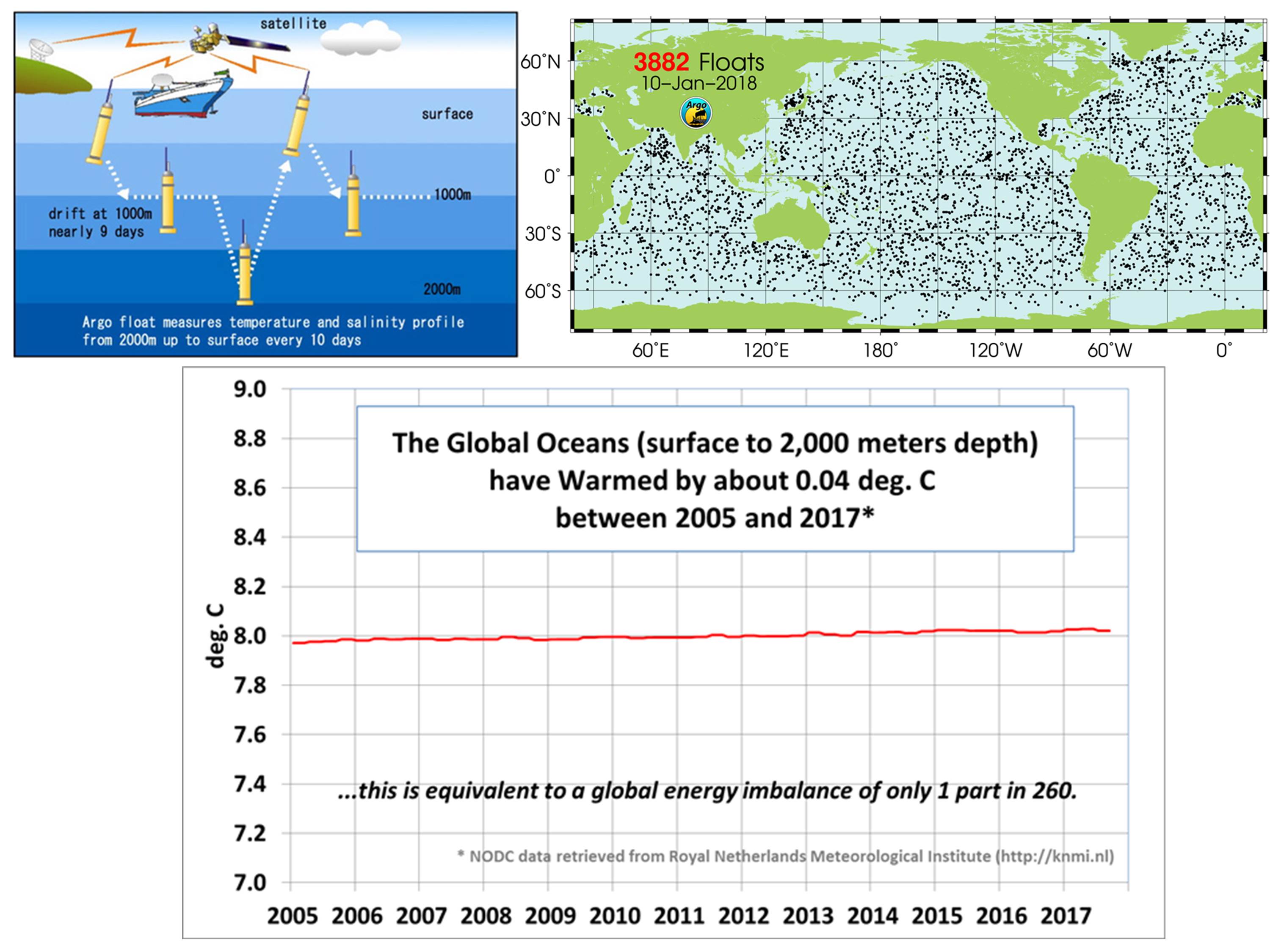
Between 2005 and 2017, the global network of thousands of Argo floats have measured an average temperature increase of the upper half of the ocean of 0.04 deg. C. That's less than 0.004 C/year, an inconceiveably small number.

Significantly, it represents an imbalance in energy flows in and out of the climate system of only 1 part in 260. That's less than 0.5%, and climate science does not know any of the NATURAL flows of energy to that level of accuracy. The tiny energy imbalance causing the warming is simply ASSUMED to be the fault of humans and not part of some natural cycle in the climate system. Climate models are adjusted in a rather ad hoc manner until their natural energy flows balance, then increasing CO2 from fossil fuels is used as the forcing (imposed energy imbalance) causing warming.

That's circular reasoning. Or, some might say, garbage in, garbage out.

The belief in human-caused warming exceeding a level that what would be relatively benign, and maybe even beneficial, is just that — a belief. It is not based upon known, established, and quantified scientific principles. It is based upon the assumption that natural climate change does not exist.

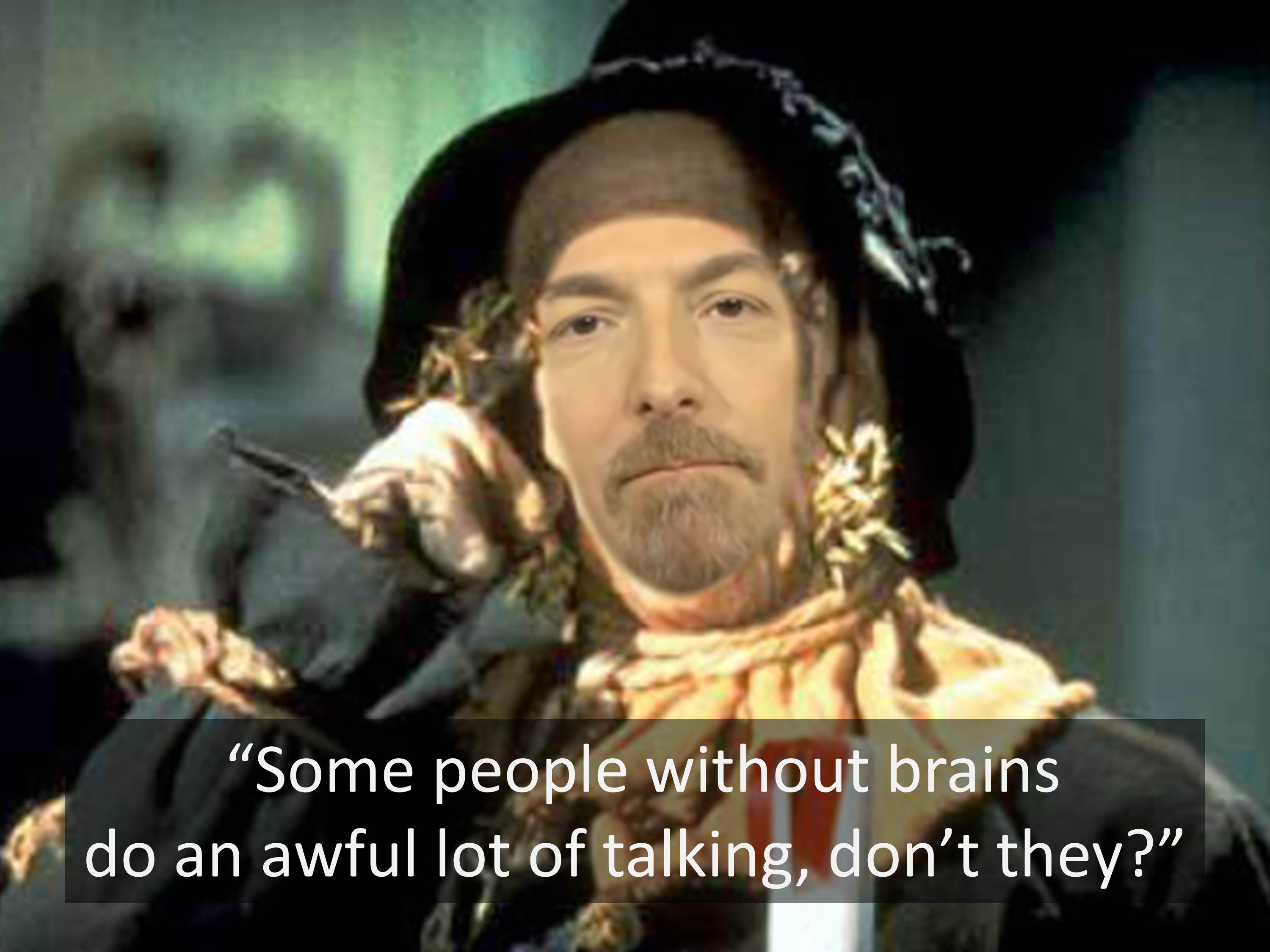
So, journalists do a lot of talking about things of which they know nothing. As Scarecrow from the Wizard of Oz said in 1939,


from Climate Change Skeptic Blogs via hj on Inoreader http://bit.ly/2GQNcdS

Rhodamine-Naphthalimide Demonstrated a Distinct Aggregation-Induced Emission Mechanism: Elimination of Dark-States via Dimer Interactions (EDDI)

Chem. Commun., 2019, Accepted Manuscript
DOI: 10.1039/C8CC09212E, Communication
Zhaochao Xu, Qingkai Qi, Lu Huang, Runqin Yang, Jin Li, Qinglong Qiao, Bin Xu, Wenjing Tian, Xiaogang Liu
Rhodamine B-naphthalimide (RhB-Naph) demonstrated a distinct aggregation-induced emission (AIE) mechanism, different from the restriction of intramolecular rotations or vibrations as in traditional AIE molecules. The monomers of RhB-Naph were non-emissive,...
The content of this RSS Feed (c) The Royal Society of Chemistry


from Journals via hj on Inoreader https://rsc.li/2F5A9D1

A Squaraine-Linked Metalloporphyrin Two-Dimensional Polymer Photocatalyst for Hydrogen and Oxygen Evolution

Chem. Commun., 2019, Accepted Manuscript
DOI: 10.1039/C8CC09132C, Communication
Kayaramkodath Chandran Ranjeesh, Leena George, Vivek Wakchaure, Goudappagouda Patil, R. Nandini Devi, Santhosh Babu Sukumaran
An efficient water splitting photocatalyst is one of the demanding and cost effective way for generating renewable energy. A great deal of work has been recently reported in this direction....
The content of this RSS Feed (c) The Royal Society of Chemistry


from Journals via hj on Inoreader https://rsc.li/2F4VYTU

Andrology

The 14th international prostate forum
Mevlana Derya Balbay, Abdullah Erdem Canda

Asian Journal of Andrology 2019 21(1):1-2


PSA screening - for whom and when?
Peter Albers

Asian Journal of Andrology 2019 21(1):3-5


Current and emerging trends in prostate cancer immunotherapy
Adam Schatz, Badar M Mian

Asian Journal of Andrology 2019 21(1):6-11


Current concepts and trends in the treatment of bone metastases in patients with advanced prostate cancer
Miriam Hegemann, Moritz Maas, Steffen Rausch, Simon Walz, Jens Bedke, Arnulf Stenzl, Tilman Todenhöfer

Asian Journal of Andrology 2019 21(1):12-18

Bone metastases have a major impact on quality of life and survival of patients with advanced prostate cancer. In the last decade, the development and approval of substances inhibiting the vicious cycle of bone metastases have enabled the reduction of complications caused by bone metastases in patients with castration-resistant prostate cancer. These drugs have raised awareness of the importance of skeletal-related events which in the meantime represent an important end point also in trials using agents not specifically designed for bone lesions. Second-generation antihormonal drugs such as enzalutamide or abiraterone have been shown to have a positive impact on the incidence of skeletal complications and therefore provide an important tool in the armamentarium used for treating bone metastases. Radiopharmaceuticals such as radium-223 dichloride ([223Ra]) have been demonstrated not only to reduce skeletal-related events and bone-related pain, but also to prolong overall survival, thereby being the first bone-targeting agent showing a survival benefit. As previous studies have not provided an obvious benefit of bone-targeted lesions in castration-sensitive disease, the use of these agents is not recommended. In oligometastatic prostate cancer, the role of local treatment of metastases using stereotactic radiation or radiosurgery is a matter of intense debates and may play an increasing role in the future. 


Contemporary grading of prostate cancer: 2017 update for pathologists and clinicians
Silvia Gasparrini, Alessia Cimadamore, Marina Scarpelli, Francesco Massari, Andrea Doria, Roberta Mazzucchelli, Liang Cheng, Antonio Lopez-Beltran, Rodolfo Montironi

Asian Journal of Andrology 2019 21(1):19-23

The Gleason grading system for prostate cancer (PCa) was developed in the 1960s by DF Gleason. Due to changes in PCa detection and treatment, the application of the Gleason grading system has changed considerably in pathology routine practice. Two consensus conferences were held in 2005 and in 2014 to update PCa Gleason grading. This review provides a summary of the changes in the grading of PCa from the original Gleason grading system to the prognostic grade grouping, as well as a discussion of the clinical significance of the percentage of Gleason patterns 4 and 5.


Circulating tumor cells and their role in prostate cancer
Moritz Maas, Miriam Hegemann, Steffen Rausch, Jens Bedke, Arnulf Stenzl, Tilman Todenhöfer

Asian Journal of Andrology 2019 21(1):24-31

Circulating tumor cells (CTC) have become an important biomarker in patients with advanced prostate cancer. CTC count has been demonstrated to be a prognostic factor for overall survival in patients with metastatic castration-resistant prostate cancer (mCRPC). In localized prostate cancer, a clear correlation between CTC counts and clinicopathological risk parameters and outcome has not been observed. Currently, the focus of research is shifting from CTC enumeration towards molecular characterization of CTC leading to the discovery of markers predicting treatment response. The role of androgen receptor splice variants expressed by CTC as markers of resistance to abiraterone and enzalutamide has been assessed by various studies. The identification of CTC markers predicting treatment response represents a key step to guide the selection of treatment (e.g., abiraterone/enzalutamide vs taxanes), particularly in patients with mCRPC. As an alternative to CTC, the analysis of circulating tumor DNA has been shown to enable a noninvasive disease characterization having high potential to promote precision oncology.


Radical prostatectomy in patients aged 75 years or older: review of the literature
Philipp Mandel, Thenappan Chandrasekar, Felix K Chun, Hartwig Huland, Derya Tilki

Asian Journal of Andrology 2019 21(1):32-36

Given the demographic trends toward a considerably longer life expectancy, the percentage of elderly patients with prostate cancer will increase further in the upcoming decades. Therefore, the question arises, should patients ≥75 years old be offered radical prostatectomy and under which circumstances? For treatment decision-making, life expectancy is more important than biological age. As a result, a patient's health and mental status has to be determined and radical treatment should only be offered to those who are fit. As perioperative morbidity and mortality in these patients is increased relative to younger patients, patient selection according to comorbidities is a key issue that needs to be addressed. It is known from the literature that elderly men show notably worse tumor characteristics, leading to worse oncologic outcomes after treatment. Moreover, elderly patients also demonstrate worse postoperative recovery of continence and erectile function. As the absolute rates of both oncological and functional outcomes are still very reasonable in patients ≥75 years, a radical prostatectomy can be offered to highly selected and healthy elderly patients. Nevertheless, patients clearly need to be informed about the worse outcomes and higher perioperative risks compared to younger patients.


Focal therapy for localized prostate cancer: is there a "middle ground" between active surveillance and definitive treatment?
Cihan H Demirel, Muammer Altok, John W Davis

Asian Journal of Andrology 2019 21(1):37-44

In recent years, it has come a long way in the diagnosis, treatment, and follow-up of prostate cancer. Beside this, it was argued that definitive treatments could cause overtreatment, particularly in the very low, low, and favorable risk group. When alternative treatment and follow-up methods are being considered for this group of patients, active surveillance is seen as a good alternative for patients with very low and low-risk groups in this era. However, it has become necessary to find other alternatives for patients in the favorable risk group or patients who cannot adopt active follow-up. In the light of technological developments, the concept of focal therapy was introduced with the intensification of research to treat only the lesioned area instead of treating the entire organ for prostate lesions though there are not many publications about many of them yet. According to the initial results, it was understood that the results could be good if the appropriate focal therapy technique was applied to the appropriate patient. Thus, focal therapies have begun to find their “middle ground” place between definitive therapies and active follow-up. 


Hypogonadism is independently associated with varicocele repair in a contemporary cohort of men in the USA
Cailey Guercio, Dattatraya Patil, Akanksha Mehta

Asian Journal of Andrology 2019 21(1):45-49

We aimed to identify demographic and clinical predictors of varicocele repair in a contemporary cohort of men in the USA. We queried the 2009–2015 MarketScan Database using relevant ICD9, ICD10, and CPT codes to identify all 18–45 year olds with varicoceles. Differences in age, area of residence, clinical characteristics, and medical management between men who did and did not undergo varicocelectomy (open, laparoscopic, or microsurgical) during the study period were compared using unpaired t-tests and Chi-squared tests for continuous and categorical variables, respectively. Multivariable logistic regression analysis was used to evaluate age, semen analyses, and serum hormone assessment as predictors of varicocele repair. SAS version 9.4 was used for all statistical analyses. Significance was set at P < 0.05. Approximately 40% of men with varicoceles underwent repair, primarily through an open approach. Men who underwent repair were more likely to have a diagnosis of male infertility (15.5% vs 7.9%, P < 0.001) and male hypogonadism (3.4% vs 0.9%) and were more likely to complete semen analyses (36.1% vs 12.2%, P < 0.001) and serum testosterone evaluation (42.5% vs 18.8%, P < 0.001). In multivariable regression models, the strongest predictors of varicocele repair were semen analysis (OR = 2.78, 95% CI: 2.56–3.02), age 18–25 years (OR = 2.66, 95% CI: 2.36–2.98), and serum testosterone evaluation (OR = 1.67, 95% CI: 1.51–1.86). Although male infertility remains the most important indication for varicocele repair, male hypogonadism is emerging as an independent predictor of varicocelectomy, which may represent a change in the clinical management of varicoceles in the USA. 


Sperm fine-needle aspiration (FNA) mapping after failed microdissection testicular sperm extraction (TESE): location and patterns of found sperm
Sheba Jarvis, Heather K Yee, Natalia Thomas, Imok Cha, Kedar Che Prasad, Jonathan W A Ramsay, Paul J Turek

Asian Journal of Andrology 2019 21(1):50-55

We sought to evaluate the ability of fine-needle aspiration (FNA) mapping to find sperm and to guide sperm retrieval after failed microdissection testicular sperm extraction (micro-TESE) in nonobstructive azoospermic men. In this study of consecutive male infertility cases, interventions included testicular FNA mapping and subsequent sperm retrieval. Outcomes included the frequency and location of found sperm on FNA maps after failed micro-TESE and the salvage sperm retrieval success. Among 548 patients undergoing FNA mapping from 2010 to 2016, 82 men with previous micro-TESE procedures were identified. The mean time between micro-TESE and FNA mapping was 2.2 years. A total of 2825 (1424 on right and 1401 on left) sites were mapped. At least one site revealed mature sperm in 24 (29.3%) of 82 men with prior failed micro-TESE procedures. There was an equal likelihood of detecting sperm in either testis (6.1% right; 5.7% left; P = 0.58). Digital “heat maps” revealed differences in sperm findings within the testis with mature sperm more likely found in the testis periphery rather than centrally. Fifteen (62.5%) patients subsequently underwent sperm retrieval procedures guided by FNA maps. Sufficient sperm were retrieved in all cases, and in 10 (66.7%) of 15 cases, extra sperm were frozen for future use. In a significant proportion of failed micro-TESE procedures representing the largest study to date, sperm were detected by FNA mapping and could be reliably retrieved through FNA map-guided surgical sperm retrieval. When present, sperm were more likely to be found in the testis periphery rather than centrally with FNA mapping. 


Health Sciences

Effects of different daytime exercises on the quality of sleep and appetite of obese women
Khadijeh Irandoust, Morteza Taheri

International Archives of Health Sciences 2018 5(4):111-114

Aims: The aim of this study was to determine the effects of daytime aerobic exercise on the subsequent sleep and appetite of obese women. Materials and Methods: It was a semi-experimental study with pre and post-test design. Fifteen obese women were asked to do aerobic exercises three sessions a week for 2 weeks, with each session lasting 60 min at 60% of maximum heart rate either at 9:00 am or 18:00 pm. A body composition analyzer (InBody-320, South Korea) was used to measure weight, fat percentage, and body mass index (BMI). Nocturnal sleep–wake schedule data and sleep patterns in the two conditions (morning vs. evening) were recorded at 1-min intervals and scored with the Actiwatch Sleep Analysis 8 software. Paired t-test and independent t-test were used to analyze the data. Results: Results (age, 46.9 ± 5.2 years; BMI, 33.6 ± 3.2 kg/m2; and percentage of body fat ≥35%) showed that sleep efficiency, wake bouts, actual sleep, and sleep latency were improved after exercise training (P ≤ 0.05). Furthermore, morning exercise condition resulted in a better improvement in sleep efficiency (73.41% ± 6.94%), wake bouts (15.81% ± 3.30%), and sleep latency (79.47% ± 6.09%) compared to that of evening exercise (P ≤ 0.05). It was also reported that the perceived satiety was not significantly different in the two conditions (P = 0.94 and P = 0.076, respectively, for morning and evening), while the perceived hungry was improved significantly in the morning condition (P = 0.003). Conclusion: As a result, aerobic exercises at the time of the morning can lead to a better quality of sleep and decline in hungry of obese women compared to the evening exercise. 


The effectiveness of cognitive therapy on quality of life in patients with type II diabetes
Narges Mousavian, Adis Kraskian Mujembari, Alireza Aghayousefi

International Archives of Health Sciences 2018 5(4):115-119

Context: Patients with diabetes face various physical and psychological problems such as depression, anxiety, disability, low mobility and obesity leading eventually to decrease quality of life. As a result, life quality is so important about diabetes and its treatment. Aims: The aim of this study was to determine the effectiveness of cognitive therapy on quality of life in patients with diabetes. Subjects and Methods: The research method was semi-experimental with pretest/posttest/follow-up and control group design. The population of the research were included all patients with type II diabetes who were referred to the Diabetes Clinic of Ganjavian Hospital. The sample volume included 40 subjects and an available sampling method was applied. Moreover, the substitution between control group and experimental group was randomly implemented. To collect the data, diabetes quality of life questionnaire was used. The intervention group has been received therapeutic sessions, and the control group was in waiting list. Data were collected through questionnaire of quality of life. Results: The results of the covariance analysis showed that cognitive therapy improved the quality of life in the experimental group in the posttest and follow-up stage (P < 0.05). Cognitive therapy training can be effective in improving the quality of life in patients with type II diabetes (P < 0.05). Conclusion: In order to findings, it can be concluded that the presentation of cognitive therapy beside other medical interventions is as a part of comprehensive treatment and care of diabetes. 


Designing a epileptics patients services management model for Iranian health system
Ebrahim Koochaki, Monika Motaghi

International Archives of Health Sciences 2018 5(4):120-125

Aim: Epilepsy is increasingly developed worldwide, considered as one of the most important healthcare problems in the second half of 12th century. Methodology: This study is a quantitative-qualitative/cross sectional-practical method research. The conceptual model was derived from comparative studies of the United States, Australia, United Kingdom, Canada and the relevant experts' perspectives. The study population consisted of all professionals related to the healthcare management of epilepsy in all geographical regions of Iran. The obtained data were analyzed using software SPSS 16 and AMOS. Exploratory and confirmatory factor analysis were also performed, and the final model was obtained and its fitness was confirmed. Results: Nine factors were entirely identified for the final model of healthcare management of epileptic patients: Organizational structure of the leading policy, makers, methods of governmental interventions in financing resources, types of services necessary to provide patients, instances of epilepsy, monitoring, and controlling epilepsy healthcare services among which methods of governmental interventions in financing resources and monitoring and controlling epilepsy healthcare services had the minimum and maximum factor load value, respectively. Conclusion: As it can be observed from the study data, training and raising the public awareness toward epilepsy in the country is an essential tool to prevent these types of diseases, as identifying the initial main risks aiming at prohibition of epidemic diseases and also proper healthcare services in case of development are the most important initiations to be taken. 


Critical success factors of lean management: An investigation of factors affecting lean management in public hospitals in Kohgiluyeh and Boyerahmad and Bushehr provinces
Lida Gholizadeh, Iravan Masoudi Asl, Kamran Hajinabi, Pouran Raeeisi Dehkordi

International Archives of Health Sciences 2018 5(4):126-130

Aim: Lean is a set of operating philosophies and methods that help create maximum value for patients by reducing waste and waits. It emphasizes the consideration of the customer's needs, employee involvement, and continuous improvement. The aim of this study was of factors affecting lean management in public hospitals in Kohgiluyeh and Boyerahmad and Bushehr provinces. Materials and Methods: This research was descriptive correlation study. The questionnaire was used to collect the data. Factor analysis and multiple regression analysis were conducted to understand the relationship between these factors and lean implementation success. With using 60 questions questionnaire, the content validity of the method developed by the researchers and expert judgment and Cronbach's alpha and test–retest reliability of the method was investigated, and the opinions of 500 primary health-care practitioners were collected. Then, a two-stage exploratory and confirmatory factor analysis and structural equation modeling with the use of statistical software SPSS for Window 17.0 software (SPSS Inc., lllinois, USA) (Leland Stanford Junior University) and AMOS 20 carried out to review and modify the conceptual model. Results: Exploratory factor analysis identified five factors of human, technology, management, processes, and relational that explains 58.5% of the total variance. Confirmatory factor analysis also showed that among identified factors, technology factor with 0.953 coefficient has greatest impact and management factor with 0.615 coefficient has the lowest impact on the pattern of lean management in public hospitals to improve the quality of services. Conclusions: The factors affecting the deployment of lean management in public hospitals and appropriate strategy for using the lean management to improve the delivery of primary health care and reduce waste. The results represent guidelines for using effective implementation of lean management to increase efficiency and ability to compete in the global market offers. 


The effectiveness of the integrated group therapy on increasing the prisoners' self-esteem
Zahra Keshtkar, Mahsa Nabavi, Mustafa Bolghan-Abadi

International Archives of Health Sciences 2018 5(4):131-134

Context: The previous studies have shown the commitment of most crimes and offensive behaviors are the root of psychological disorders. Aims: The purpose of this study is to investigate the effectiveness integrated group therapy in increasing the male prisoners' self-esteem of central prison of Mashhad. Settings and Design: Statistical population included all the male prisoners of the central prison of Mashhad who were addicted to drugs. A sample from these prisoners was selected randomly and was assigned in experimental and control groups (12 participants in each group). Subjects and Methods: The research method of this study was semi-experimental with pretest/posttest/follow-up and control group design. Weekly group sessions were holding which last for 2 h during 1½ months. For gathering the data demographic and Coopersmith's self-esteem questionnaire were used. Statistical Analysis Used: For analyzing the data, ANCOVA test was used. Results: Findings show that those who had received the intervention expressed high level of self-esteem to those who had not received it (control group participants). Conclusions: It could be concluded that the group therapy by the integrated approach has effective influence on increasing the male prisoner's self-esteem of central prison of Mashhad. 


Effectiveness of the successful intelligence program in improving learning behaviors of students with attention-deficit/hyperactivity disorder
Foroogh Khakpoor, Ahmad Abedi, Gholamreza Manshaee

International Archives of Health Sciences 2018 5(4):135-139

Aims: The aim of the research was to study the effectiveness of the successful intelligence program on the learning behaviors and academic performance of students with attention-deficit/hyperactivity disorder (ADHD). Settings and Design: The quasi-experimental research method was used with a pretest-posttest and control group design. Materials and Methods: The statistical population of the research was included all of the sixth graders of Tehran City in the 2016–2017 academic year. Hence, of the 101 elementary schools in District 15 of Tehran Municipality, eight schools were selected using the random cluster sampling method. Afterward, all of the students of the eight selected schools were questioned using Conners' Teacher Rating Scale, which resulted in the diagnosis of 45 students with ADHD. Fifteen students were randomly put in the experimental group, and 15 were randomly put in the control group. The learning behavior scale was also used to collect the data. Afterward, the successful intelligence program was administered on the experimental group throughout six sessions. The control group was also on the waiting list. To analyze the data, multivariate covariance analysis test was used. Results: The investigation results revealed that training in the successful intelligence program was effective in improving the learning behaviors of the trained students. Conclusions: Considering the research findings it could be stated that training in the successful intelligence program is effective in improving the learning behaviors of students suffering from ADHD. Hence, school counselors are recommended to administer this program. 


Community attitude toward the mentally ill and its related factors in Kashan, Iran
Nazeninzahra Jalali, Saeide Tahan, Seyed Gholamabbas Moosavi, Ali Fakhri

International Archives of Health Sciences 2018 5(4):140-144

Aims: Today, the prevalence of mental disorders is increasing. In Iran, more than 20% of people suffer from mental problems too. Despite all scientific developments in diagnosis and treatment of the mentally ill patients, presenting psychotherapy service is still facing some problems because of the negative attitudes which require more investigation. The current research aims to study the attitudes of Kashan city population about the mentally ill and the contributing factors. Materials And Methods: In this study, the samples were chosen randomly at two levels among health posts and their covered population in Kashan city (364 samples). Community Attitudes toward the Mentally Ill questionnaire was used for data collecting. The data were analyzed by SPSS software and statistical tests. Findings: Most of the participants had a positive attitude toward the mentally ill (with the mean of 3.66 from 5 score and standard deviation of 0.37). Attitude of women and higher-educated people were, respectively, better than men (PV < 0.01) and lower-educated people (PV < 0.01). There was no meaningful difference between attitude toward the mentally ill and employment, and there was no meaningful correlation between the attitude score and age either. Conclusion: The results confirm the role of education on the positive attitude of people toward the mentally ill. The positive attitude can show the appropriate awareness of people on these lines. 


The effect of aquatic exercises on inflammatory markers of cardiovascular disease in obese women
Khadijeh Irandoust, Morteza Taheri

International Archives of Health Sciences 2018 5(4):145-149

Aims: the purpose of this study was to investigate the effects of aquatic exercises on inflammatory markers of cardiovascular (homocysteine, C-reactive protein [CRP], and fibrinogen) in obese women. Materials and Methods: It was a semi-experimental with pre- and posttest design. Thirty-seven obese women volunteered to participate in the research, of which 28 had inclusive criteria for research. The age of participants ranged from 35 to 40 years and their body fat percentage was above 30%. The exercise protocol included a combination of resistance, stretching, and balance exercises that were carried out three sessions a week for 10 weeks. Statistical Analysis Used: Paired t-test and independent test were used to analyze the data. Results: The results suggested that homocysteine, CRP, and fibrinogen indices of obese women were significantly improved following combined aquatic exercises (P ≤ 0.05). Furthermore, a significant decrease in body fat percentage with improvement of cholesterol and systolic blood pressure were found in experimental group (P ≤ 0.05). Conclusions: The overall result was that combined aquatic exercises would not only attenuate cardiovascular risk factors such as homocysteine, fibrinogen, and CRP but also improve the other cardiovascular disease risk factors such as obesity, cholesterol, and blood pressure. 


Priorities of occupational health, safety, and environment issues based on national programs and regulations from the perspective of occupational health experts in Kashan city in 2017
Allhayer Aghaei, Mitra Hanani, Masoud Motalebi Kashani, Seyyed Gholam Abbas Mousavi

International Archives of Health Sciences 2018 5(4):150-161

Background: Safety, health, environment is one of the most important issues of human societies in the current and future. Prioritization is one of the important issues affecting the prevention of diseases and occupational accidents and environmental hazards; therefore, the aim of this study, prioritize current programs and regulations entrust to occupational health experts. Methods: The present study is a cross-sectional study of the descriptive type that was conducted on 151 occupational health experts of Kashan City in 2017. The data collection tool was a questionnaire that made by the researcher. Data analysis was conducted with (SPSS 16) and descriptive and analytical statistics. Results: The results showed that there is a statistically significant difference between items in the executive and supervisory sectors and the highest priorities are based on the mean and standard deviation of the scores assigned by occupational health experts: controlling mechanical factors and ergonomics within the context of occupational health controls in the executive sector. Priorities are based on the average and standard deviation of total scores allocated by occupational health experts: the most important priorities are safety in the protection of machines shield and fire safety, chemical safety, and electrical safety. Conclusion: The most important priority for all those present in the research, safety in the protection machine gears shield (transmission parts for gear belt buckles, etc.) should be considered as an important priority for officials and observers of the executive and supervisory sectors, and to maintain and to enhance safety at the workplace machine safeguarding is very important. 


Call for raising the financial allocation to attain the goal of toilet for all: World Health Organization
Saurabh RamBihariLal Shrivastava, Prateek Saurabh Shrivastava

International Archives of Health Sciences 2018 5(4):162-163


Clinical Trials in Degenerative Diseases

Sacubitril/valsartan improves ejection fraction in heart failure with reduced ejection fraction: A retrospective study
Walid Ibrahim, Ahmed S Yassin, Ahmed Subahi, Hassan Mohamed, Ayman Khaddam, Muhammad Bajwa, Ashraf Abugroun, Amir Kaki, Mahir Elder, Tamam Mohamad

Clinical Trials in Degenerative Diseases 2018 3(4):119-122

Background and objectives: The discovery and introduction of Neprilysin inhibitor in treating chronic heart failure (New York Heart Association class II–IV) with reduced ejection fraction (HFrEF) is a remarkable landmark in therapy. The clinical outcome of reducing the incidence of death from cardiovascular causes or first hospitalization for worsening heart failure was demonstrated at the large randomized, double blind, “Angiotensin-Neprilysin inhibition versus enalapril in heart failure (PARADIGM-HF trial).” We studied a total of 228 patients with HFrEF who was recently started on sacubitril/valsartan (EntrestoTM; previously known as LCZ696) testing the hypothesis of improving ejection fraction with sacubitril/valsartan, defined as an increase of ejection fraction from the baseline before treatment by 10–15%. Methods: This is a single-center, retrospective, descriptive study. The data was collected from the charts of patients followed up for a mean of 4.7 weeks after initiation of treatment with sacubitril/valsartan. A total of 228 patients with heart failure were prescribed 200 mg of sacubitril/valsartan twice daily, an improvement in ejection fraction by 10–15% was considered a successful response. Results: Out of the 228 patients, 51.3% showed a successful response. Most of the patients 97.9% and 58.0% were taking beta-blockers and aspirin respectively. The absolute number of black patients who improved was higher than others ethnic groups. However, the higher percentage of ejection fraction improvement 71% was reported among other ethnicities (not blacks or Caucasians). Patients without episodes of hospitalization showed better improvement than those with one or more episodes. Conclusion: In a predominantly black population with HFrEF, sacubitril/valsartan has shown improvement in ejection fraction effect. This finding was independent of other risk factors and concomitant heart failure treatment; however, further studies are recommended to validate this result. Ethics: Ethical approval of this study was obtained from the Research Committee, DMC/Wayne State University (IRB# 015618MP4X) on February 14, 2018.


Efficacy and safety of Vidangadi Yoga (ayurvedic polyherbal medicine) in type 2 diabetes mellitus: A randomized controlled clinical study
Shailesh Vinayak Deshpande, Krutika Subhash Jadhav

Clinical Trials in Degenerative Diseases 2018 3(4):123-129

Background and objectives: Incidence of diabetes mellitus is increasing due to genetic predisposition, high body fat, and insulin resistance. Though multiple oral hypoglycaemic agents and insulin are available, these are associated with side effects, primary and secondary failure. Hence, evaluation of antidiabetic potential of medicines described in traditional health sciences such as Ayurveda (Indian system of medicine) is also important. This study aimed to assess the efficacy and safety of Vidangadi Yoga (ayurvedic polyherbal medicine) and metformin in the management of type 2 diabetes mellitus (T2DM) based on biochemical parameters and adverse events. Methods: In this prospective, randomized, open-label, active-controlled, two-arm study, 61 patients with T2DM were included and randomly divided two groups. Patients in the Vidangadi Yoga group received Vidangadi Yoga tablet 500 mg thrice daily before food with water, while patients in the metformin group received metformin 500 mg after food twice daily for 90 days. Subjects were asked to undergo follow-up at the interval of 15 days until the completion of 90 days. Assessment was done on changes observed in fasting and postprandial blood glucose, glycosylated haemoglobin, lipid profile, haemogram, hepatic, renal profile, and clinical symptoms. Results: After 90 days of medication, fasting and postprandial blood glucose levels in both groups were significantly decreased when compared with baseline (P < 0.001). There were no significant differences in fasting and postprandial blood glucose levels between both groups. After 90 days of medication, haemogram, and hepatic and renal profiles (safety parameters) in the two groups were not significantly different from baseline. No adverse events were related with the use of the studied medicine. Conclusion: Vidangadi Yoga exhibits equivalent efficacy to metformin and is safe in lowering fasting and postprandial blood glucose levels. Ethics and trial registration: This study was approved by the institutional ethics committee of PDEA’s College of Ayurved and Research Centre, Pune, Maharashtra, India (approval number 6833) on March 22, 2014 and was registered with Clinical Trials Registry- India (CTRI) (No. CTRI/2015/04/005719) on April 25, 2015.


Effects of a heel raise program on central hemodynamics and cognitive performance in chronic stroke: Study protocol for a randomized, controlled, crossover trial
Andrew Mitchelmore, Danielle Lambrick, Simon Jobson, Lee Stoner, James Faulkner

Clinical Trials in Degenerative Diseases 2018 3(4):130-134

Background and objectives: As survival rates after incident stroke increase, the burden caused by secondary stroke and pressure placed on rehabilitation centers also rises. Lifestyle interventions have the potential to drive secondary-prevention treatments. Low-intensity interventions, such as heel raises, may offer a simple method of improving cardiovascular health and cognitive ability in chronic stroke. Here we present a protocol which attempts to determine whether a heel raise training program can improve markers of vascular health and cognitive function. Design: A randomized, controlled, crossover trial. Methods: Fifteen participants (> 3 months post-stroke diagnosis) will be randomly assigned to an intervention-first group (n = 8) or a control-first group (n = 7). In the intervention period, participants will complete 170 heel raises per day for 10 weeks. Heel raises will be completed in sets of ten, within a period of 170 minutes, from a seated position. In the control period, participants will go about their normal lives for 10 weeks. On completion of each program, participants will have a 4-week washout before commencing the alterative arm. Outcome measures: The primary outcomes (pre- and post-measures of peripheral and central blood pressure and pulse wave velocity) will be recorded, as these variables are strongly linked to vascular health after stroke. Secondary outcomes (cognitive function and maximal voluntary contractions) will be assessed using the Stroop task and electromyography respectively. A mixed-model analysis of variance will identify whether a heel raise intervention has a significant effect on the proposed primary and secondary outcome variables. Discussion: The potential improvements in vascular health may demonstrate that lower-limb heel raise exercise is a beneficial exercise stimulus for this population group. Ethics and dissemination: The protocol received ethical approval from the University of Winchester Ethics Committee (approval No. BLS/17/11) on November 30, 2017 and will be conducted in accordance with the Declaration of Helsinki, formulated by the World Medical Association. Written informed consent will be obtained from all participants. Recruitment began in June 2018. Analysis of the primary and secondary outcome measures will be completed in January 2019, and the study will finish in February 2019. Trial registration: The study was registered with ClinicalTrials.gov (NCT03423433) on February 6, 2018. 


[ASAP] Development of a ReaxFF Reactive Force Field for Interstitial Oxygen in Germanium and Its Application to GeO2/Ge Interfaces

TOC Graphic

The Journal of Physical Chemistry C
DOI: 10.1021/acs.jpcc.8b08862
jpccck?d=yIl2AUoC8zA


from Journals via hj on Inoreader http://bit.ly/2Vm4QJX

[ASAP] Charge Asymmetry Effect in Ion Transport through Angstrom-Scale Channels

TOC Graphic

The Journal of Physical Chemistry C
DOI: 10.1021/acs.jpcc.8b09742
jpccck?d=yIl2AUoC8zA


from Journals via hj on Inoreader http://bit.ly/2QkE9S2

[ASAP] Initial Growth and Agglomeration during Atomic Layer Deposition of Nickel Sulfide

TOC Graphic

Chemistry of Materials
DOI: 10.1021/acs.chemmater.8b03940
cmatex?d=yIl2AUoC8zA


from Journals via hj on Inoreader http://bit.ly/2Susp1c

UAH Global Temperature Update For Dec 2018

By Paul Homewood


Roy Spencer reports that UAH have now published their figures for December:

https://i1.wp.com/www.drroyspencer.com/wp-content/uploads/UAH_LT_1979_thru_December_2018_v6.jpg

2018 was 6th Warmest Year Globally of Last 40 Years

The Version 6.0 global average lower tropospheric temperature (LT) anomaly for December, 2018 was +0.25 deg. C, down a little from +0.28 deg. C in November.

The 2018 globally averaged temperature anomaly, adjusted for the number of days in each month, is +0.23 deg. C, making 2018 the 6th warmest year in the now-40 year satellite record of global lower tropospheric temperature variations.

The linear temperature trend of the global average lower tropospheric temperature anomalies from January 1979 through December 2018 remains at +0.13 C/decade.

http://www.drroyspencer.com/2019/01/uah-global-temperature-update-for-december-2018-0-25-deg-c/


As Roy points out, this makes 2018 the 6th warmest year since 1979. Effectively, however, it means it is also the 6th warmest since 1998, and confirms that global temperatures have more or less plateaued since 1998.

It puts 2018 behind 1998, 2010, 2015, 2016 and 2017.

image

https://www.nsstc.uah.edu/data/msu/v6.0/tlt/uahncdc_lt_6.0.txt


from Climate Change Skeptic Blogs via hj on Inoreader http://bit.ly/2BVg92D

Tony Heller’s Site

By Paul Homewood


Just a quick note about Tony Heller's site, which some of you have been getting error messages about.

Tony has emailed me to say:

"The server disk was full, and they moved it over to a new server, thanks."

So I assume everything is back to normal!


from Climate Change Skeptic Blogs via hj on Inoreader http://bit.ly/2s5HoTT

Study shows the Sahara swung between lush and desert conditions every 20,000 years, in sync with monsoon activity

Image credit: BBC


These climatic swings (cycles) were in sync with changes in the Earth's tilt, say the researchers. They therefore believe ice ages are not the primary factor in these swings.

The Sahara desert is one of the harshest, most inhospitable places on the planet, covering much of North Africa in some 3.6 million square miles of rock and windswept dunes.

But it wasn't always so desolate and parched, reports Phys.org.

Primitive rock paintings and fossils excavated from the region suggest that the Sahara was once a relatively verdant oasis, where human settlements and a diversity of plants and animals thrived.

Now researchers at MIT have analyzed dust deposited off the coast of west Africa over the last 240,000 years, and found that the Sahara, and North Africa in general, has swung between wet and dry climates every 20,000 years.

They say that this climatic pendulum is mainly driven by changes to the Earth's axis as the planet orbits the sun, which in turn affect the distribution of sunlight between seasons—every 20,000 years, the Earth swings from more sunlight in summer to less, and back again.

For North Africa, it is likely that, when the Earth is tilted to receive maximum summer sunlight with each orbit around the sun, this increased solar flux intensifies the region's monsoon activity, which in turn makes for a wetter, "greener" Sahara.

When the planet's axis swings toward an angle that reduces the amount of incoming summer sunlight, monsoon activity weakens, producing a drier climate similar to what we see today.

"Our results suggest the story of North African climate is dominantly this 20,000-year beat, going back and forth between a green and dry Sahara," says David McGee, an associate professor in MIT's Department of Earth, Atmospheric and Planetary Sciences. "We feel this is a useful time series to examine in order to understand the history of the Sahara desert and what times could have been good for humans to settle the Sahara desert and cross it to disperse out of Africa, versus times that would be inhospitable like today."

McGee and his colleagues have published their results today in Science Advances.

Continued here.


from Climate Change Skeptic Blogs via hj on Inoreader http://bit.ly/2s7sOek

Wind turbines are neither clean nor green and they provide zero global energy

The Global Wind Energy Council recently released its latest report, excitedly boasting that 'the proliferation of wind energy into the global power market continues at a furious pace, after it was revealed that more than 54 gigawatts of clean renewable wind power was installed across the global market last year'.

You may have got the impression from announcements like that, and from the obligatory pictures of wind turbines in any BBC story or airport advert about energy, that wind power is making a big contribution to world energy today. You would be wrong. Its contribution is still, after decades - nay centuries - of development, trivial to the point of irrelevance.

Here's a quiz; no conferring. To the nearest whole number, what percentage of the world's energy consumption was supplied by wind power in 2014, the last year for which there are reliable figures? Was it 20 per cent, 10 per cent or 5 per cent? None of the above: it was 0 per cent. That is to say, to the nearest whole number, there is still no wind power on Earth.

Even put together, wind and photovoltaic solar are supplying less than 1 per cent of global energy demand. From the International Energy Agency's 2016 Key Renewables Trends, we can see that wind provided 0.46 per cent of global energy consumption in 2014, and solar and tide combined provided 0.35 per cent. Remember this is total energy, not just electricity, which is less than a fifth of all final energy, the rest being the solid, gaseous, and liquid fuels that do the heavy lifting for heat, transport and industry.

Such numbers are not hard to find, but they don't figure prominently in reports on energy derived from the unreliables lobby (solar and wind). Their trick is to hide behind the statement that close to 14 per cent of the world's energy is renewable, with the implication that this is wind and solar. In fact the vast majority - three quarters - is biomass (mainly wood), and a very large part of that is 'traditional biomass'; sticks and logs and dung burned by the poor in their homes to cook with. Those people need that energy, but they pay a big price in health problems caused by smoke inhalation.?

Even in rich countries playing with subsidized wind and solar, a huge slug of their renewable energy comes from wood and hydro, the reliable renewables. Meanwhile, world energy demand has been growing at about 2 per cent a year for nearly 40 years. Between 2013 and 2014, again using International Energy Agency data, it grew by just under 2,000 terawatt-hours.

If wind turbines were to supply all of that growth but no more, how many would need to be built each year? The answer is nearly 350,000, since a two-megawatt turbine can produce about 0.005 terawatt-hours per annum. That's one-and-a-half times as many as have been built in the world since governments started pouring consumer funds into this so-called industry in the early 2000s.

At a density of, very roughly, 50 acres per megawatt, typical for wind farms, that many turbines would require a land area greater than the British Isles, including Ireland. Every year. If we kept this up for 50 years, we would have covered every square mile of a land area the size of Russia with wind farms. Remember, this would be just to fulfill the new demand for energy, not to displace the vast existing supply of energy from fossil fuels, which currently supply 80 per cent of global energy needs.

Do not take refuge in the idea that wind turbines could become more efficient. There is a limit to how much energy you can extract from a moving fluid, the Betz limit, and wind turbines are already close to it. Their effectiveness (the load factor, to use the engineering term) is determined by the wind that is available, and that varies at its own sweet will from second to second, day to day, year to year.

As machines, wind turbines are pretty good already; the problem is the wind resource itself, and we cannot change that. It's a fluctuating stream of low-density energy. Mankind stopped using it for mission-critical transport and mechanical power long ago, for sound reasons. It's just not very good.

As for resource consumption and environmental impacts, the direct effects of wind turbines - killing birds and bats, sinking concrete foundations deep into wild lands - is bad enough. But out of sight and out of mind is the dirty pollution generated in Inner Mongolia by the mining of rare-earth metals for the magnets in the turbines. This generates toxic and radioactive waste on an epic scale, which is why the phrase 'clean energy' is such a sick joke and ministers should be ashamed every time it passes their lips.

It gets worse. Wind turbines, apart from the fiberglass blades, are made mostly of steel, with concrete bases. They need about 200 times as much material per unit of capacity as a modern combined cycle gas turbine. Steel is made with coal, not just to provide the heat for smelting ore, but to supply the carbon in the alloy. Cement is also often made using coal. The machinery of 'clean' renewables is the output of the fossil fuel economy, and largely the coal economy.

A two-megawatt wind turbine weighs about 250 tonnes, including the tower, nacelle, rotor and blades. Globally, it takes about half a tonne of coal to make a tonne of steel. Add another 25 tonnes of coal for making the cement and you're talking 150 tonnes of coal per turbine. Now if we are to build 350,000 wind turbines a year (or a smaller number of bigger ones), just to keep up with increasing energy demand, that will require 50 million tonnes of coal a year. That's about half the EU's hard coal-mining output.

Forgive me if you have heard this before, but I have a commercial interest in coal. Now it appears that the black stuff also gives me a commercial interest in 'clean', green wind power.

The point of running through these numbers is to demonstrate that it is utterly futile, on a priori grounds, even to think that wind power can make any significant contribution to world energy supply, let alone to emissions reductions, without ruining the planet. As the late David MacKay pointed out years back, the arithmetic is against such unreliable renewables.

The truth is, if you want to power civilization with fewer greenhouse gas emissions, then you should focus on shifting power generation, heat and transport to natural gas, the economically recoverable reserves of which - thanks to horizontal drilling and hydraulic fracturing - are much more abundant than we dreamed they ever could be. It is also the lowest-emitting of the fossil fuels, so the emissions intensity of our wealth creation can actually fall while our wealth continues to increase. Good.

And let's put some of that burgeoning wealth in nuclear, fission and fusion, so that it can take over from gas in the second half of this century. That is an engineerable, clean future. Everything else is a political displacement activity, one that is actually counterproductive as a climate policy and, worst of all, shamefully robs the poor to make the rich even richer.

Spectator.co.uk/podcast
Matt Ridley discusses wind power


from Climate Change Skeptic Blogs via hj on Inoreader http://www.icecap.us/

Collaboration request

Hi there How would you like to earn a 35% commission for each sale for life by selling SEO services Every website owner requires the ...