Tuesday, August 9, 2022

Could red cell distribution width be used for predicting cardiac injury in neonates with COVID‐19?

alexandrossfakianakis shared this article with you from Inoreader

ABSTRACT

Background

Coronavirus disease 2019 (COVID-19) can affect people of all age groups and it can occasionally cause life-threatening clinical illness in immunologically immature population, especially in newborns. High red cell distribution width (RDW) values were used as early prognostic biomarker of some neonatal diseases. We aimed to determine the prognostic value of red cell distribution width in severe acute respiratory syndrome-coronavirus-2 (SARS-CoV-2) infected neonates.

Methods

Newborns with positive SARS-CoV-2 polymerase chain reaction (PCR) test from a nasopharyngeal swab sample, who had refractory fever (>38°C and lasting more than 24 hours during hospitalization) screened for multisystem inflammatory syndrome in newborns (MIS-N), systemic inflammatory indexes calculated and cardiologic evaluation performed to these patients. Due to troponin levels (high: >45 ng/L and low: ≤45 ng/L) patients were grouped.

Results

Of the 68 SARS-CoV-2 PCR-positive newborns, 26 patients had refractory fever. Comparison of laboratory findings between the high and low troponin groups showed that RDW and neutrophil/lymphocyte ratio values were significantly higher in patients with high troponin levels (p = 0.022 and p = 0.030, respectively). The cut-off values with optimal sensitivity and specificity were determined as 1.00 for neutrophil/lymphocyte ratio (p = 0.205) and 16.6 for red cell distribution width (p = 0.014). None of the patients died.

Conclusions

Neonatal coronavirus disease 2019 generally has a benign prognosis, but can progress to severe disease and cases of MIS-N are rare. RDW could be prognostic in diagnosis and management of neonates with SARS-CoV-2 infection with high troponin levels.

This article is protected by copyright. All rights reserved.

View on Web

Rapid quantitative monitoring of SARS‐CoV‐2 spike protein mediated syncytia formation using split NanoLuc

alexandrossfakianakis shared this article with you from Inoreader

Abstract

SARS-CoV-2 infection causes syncytial pneumocyte in patients and this has been considered as a defining feature of severe COVID-19 cases. Traditional methods of syncytia quantification require the morphology characterization of fused cells either with light microscope or fluorescent microscope, which is time-consuming and not accurate. Here we developed a rapid and sensitive coculture system measuring spike-induced syncytia by using NanoLuc complementation system. We found the formation of syncytia occurred rapidly after ACE2-expressing cells exposure to spike protein. In addition, we found furin cleavage as well as the cell surface protease TMPRSS2 enhanced syncytia formation. Finally, we showed that this coculture system can be used to test the ability of different compound to inhibit syncytia formation, thus providing a useful tool to screen anti-syncytial drugs.

This article is protected by copyright. All rights reserved.

View on Web

A case of primary neuroendocrine carcinoma of the mandibular gingiva treated using multimodal therapy

alexandrossfakianakis shared this article with you from Inoreader

Publication date: Available online 8 August 2022

Source: Journal of Oral and Maxillofacial Surgery, Medicine, and Pathology

Author(s): Tomoaki Hamana, Shigeru Sakurai, Atsuko Hamada, Shinnichi Sakamoto, Hisako Furusho, Shigeaki Toratani

View on Web

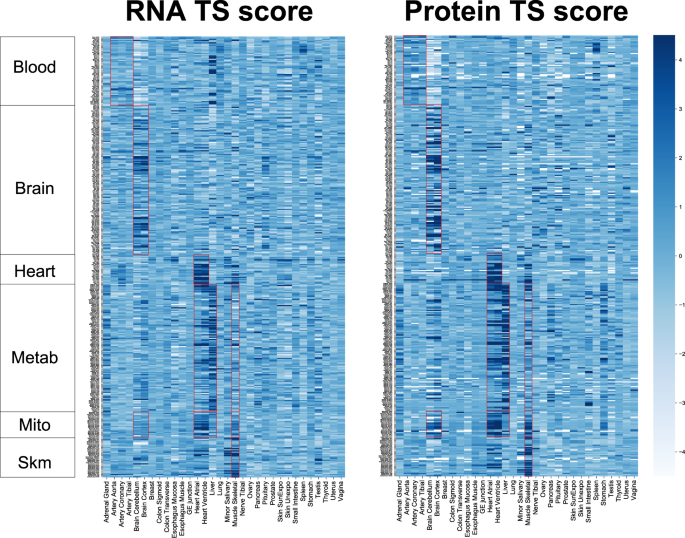
Utility of tissue-specific gene expression scores for gene prioritization in Mendelian diseases

alexandrossfakianakis shared this article with you from Inoreader

10038_2022_1071_Fig1_HTML.png

Journal of Human Genetics, Published online: 09 August 2022; doi:10.1038/s10038-022-01071-8

Utility of tissue-specific gene expression scores for gene prioritization in Mendelian diseases
View on Web

False-negative and false-positive outcomes of computer aided detection on brain metastasis: secondary analysis of a multicenter, multireader study

alexandrossfakianakis shared this article with you from Inoreader
Abstract
Background
Errors have seldom been evaluated in computer-aided detection on brain metastases. This study aimed to analyze false negatives (FNs) and false positives (FPs) generated by a brain metastasis detection system (BMDS) and by readers.
Methods
A deep learning-based BMDS was developed and prospectively validated in a multicenter, multireader study. Ad hoc secondary analysis was restricted to the prospective participants (148 with 1,066 brain metastases and 152 normal controls). Three trainees and three experienced radiologists read the MRI images without and with the BMDS. The number of FNs and FPs per patient, jackknife alternative free-response receiver operating characteristic figure of merit (FOM), and lesion features associated with FNs were analyzed for the BMDS and readers using binary logistic regression.
Results
The FNs, FPs, and the FOM of the stand-alone BMDS were 0.49, 0.38, and 0.97, respectively. Com pared with independent reading, BMDS-assisted reading generated 79% fewer FNs (1.98 vs. 0.42, P <0.001); 41% more FPs (0.17 vs. 0.24, P <0.001) but 125% more FPs for trainees (P <0.001); and higher FOM (0.87 vs. 0.98, P <0.001). Lesions with small size, greater number, irregular shape, lower signal intensity, and located on non-brain surface were associated with FNs for readers. Small, irregular, and necrotic lesions were more frequently found in FNs for BMDS. The FPs mainly resulted from small blood vessels for the BMDS and the readers.
Conclusions
Despite the improvement detection performance, attention should be paid to FPs and small lesions with lower enhancement for radiologists, especially for less-experienced radiologists.

View on Web

Prediction models for carbapenem‐resistant Enterobacterales carriage at liver transplantation: A multicenter retrospective study

alexandrossfakianakis shared this article with you from Inoreader
Prediction models for carbapenem-resistant Enterobacterales carriage at liver transplantation: A multicenter retrospective study

Graphical abstract:


Abstract

Background

Carbapenem-resistant Enterobacterales (CRE) colonisation at liver transplantation (LT) increases the risk of CRE infection after LT, which impacts on recipients' survival. Colonization status usually becomes evident only near LT. Thus, predictive models can be useful to guide antibiotic prophylaxis in endemic centres.

Aims

This study aimed to identify risk factors for CRE colonisation at LT in order to build a predictive model.

Methods

Retrospective multicentre study including consecutive adult patients who underwent LT, from 2010 to 2019, at two large teaching hospitals. We excluded patients who had CRE infections within 90 days before LT. CRE screening was performed in all patients on the day of LT. Exposure variables were considered within 90 days before LT and included cirrhosis complications, underlying disease, time on the waiting list, MELD and CLIF-SOFA scores, antibiotic use, intensive care unit and hospital stay, and infections. A machine learning model was trained to detect the probability of a patient being colonized with CRE at LT.

Results

A total of 1544 patients were analyzed, 116 (7.5%) patients were colonized by CRE at LT. The median time from CRE isolation to LT was 5 days. Use of antibiotics, hepato-renal syndrome, worst CLIF sofa score, and use of beta-lactam/beta-lactamase inhibitor increased the probability of a patient having pre-LT CRE. The proposed algorithm had a sensitivity of 66% and a specificity of 83% with a negative predictive value of 97%.

Conclusions

We created a model able to predict CRE colonization at LT based on easy-to-obtain features that could guide antibiotic prophylaxis

View on Web

Tracing the origin of Severe acute respiratory syndrome Coronavirus‐2 (SARS‐CoV‐2): A systematic review and narrative synthesis

alexandrossfakianakis shared this article with you from Inoreader

ABSTRACT

Objective

To trace and understand the origin of Severe acute respiratory syndrome coronavirus 2 (SARS-CoV-2) through various available literatures and accessible databases.

Background

While the world enters the third year of the coronavirus disease 2019 pandemic and the health and socio-economic impacts continue to mount, the origin and mechanisms of spill-over of the Severe acute respiratory syndrome coronavirus 2 (SARS-CoV-2) into humans, remain elusive.

Methods:

A systematic review of the literature is being showcased that integrated information obtained through manual searches, digital database (PubMed, CINAHL and MEDLINE) searches and searches from legitimate publications (1966-2022).

Results

Our systematic analysis proposes three postulated hypotheses concerning the origin of the SARS-CoV-2, which include Zoonotic origin (Z), Laboratory origin (L) and obscure origin (O). Despite the fact that the zoonotic origin for SARS-CoV- 2 has not been conclusively identified to date, our data suggest a zoonotic origin, in contrast to some alternative concepts, including the probability of a laboratory incident or leak.

Conclusions

Our data exhibits that Zoonotic origin (Z) has higher evidence-based support as compared to Laboratory origin (L). Importantly, based on all the studies included, we generated the forest plot with 95% confidence intervals (CIs) of the risk ratio estimates. Our analysis showed that the black diamond supports the zoonotic origin of SARS/SARS-CoV-2 in the included studies.

This article is protected by copyright. All rights reserved.

View on Web

The long term vaccine‐induced anti‐SARS‐CoV‐2 immune response is impaired in quantity and quality under TNFα blockade

alexandrossfakianakis shared this article with you from Inoreader

Abstract

Background

The humoral immune response to SARS-CoV-2 vaccination in patients with chronic inflammatory disease (CID) declines more rapidly with TNFα inhibition. Furthermore, the efficacy of current vaccines against Omicron variants of concern (VOC) including BA.2 is limited. Alterations within immune cell populations, changes in IgG affinity and the ability to neutralise a pre-VOC strain and the BA.2 virus were investigated in these at-risk patients.

Methods

Serum levels of anti-SARS-CoV-2 IgG, IgG avidity and neutralising antibodies (NA) were determined in anti-TNFα patients (n=10) and controls (n=24 healthy individuals; n=12 patients under other disease-modifying anti-rheumatic drugs, oDMARD) before and after the second and third vaccination by ELISA, immunoblot and live virus neutralisation assay. SARS-CoV-2-specific B- and T cell subsets were analysed by multicolour flow cytometry.

Results

IgG avidity and anti-pre-VOC NA titres decreased f aster in anti-TNFα recipients than in controls 6 months after the second vaccination (healthy individuals: avidity: p≤0.0001; NA: p=0.0347; oDMARDs: avidity: p=0.0012; NA: p=0.0293). Total plasma cell counts were increased in anti-TNFα patients (Healthy individuals: p=0.0344; oDMARDs: p=0.0254), whereas absolute numbers of SARS-CoV-2-specific cells were comparable 7 days after vaccination. These patients had lower BA.2 NA titres compared to both other groups, even after the third vaccination.

Conclusions

We show a reduced SARS-CoV-2 neutralising capacity in patients under TNFα blockade. In this cohort, the plasma cell response appears to be less specific and show stronger bystander activation. While these effects were observable after the first two vaccinations and with older VOC, the differences in responses to BA.2 were enhanced.

This article is protected by copyright. All rights reserved.

View on Web

Prevalence of multiple human papillomavirus infections and association with cervical lesions among outpatients in Fujian, China: a cross‐sectional study

alexandrossfakianakis shared this article with you from Inoreader

Abstract

Multiple human papillomavirus (HPV) infections are common, but their impact on cervical lesions remains controversial. A total of 6225 female patients who underwent colposcopies/conization following abnormal cervical cancer screening results were included in the study. The final pathological diagnosis was determined by the most severe pathological grade among the cervical biopsy, ECC and conization. Univariate and multivariate logistic regression analyses were used to investigate the association between multiple HPV infections and cervical lesions, adjusting for age, HPV genotype, gravidity and parity. In total, 33.3% (n=2076) of the study population was infected with multiple HPV genotypes. Multiple HPV infections were more prevalent in patients younger than 25 years and older than 55 years, with the rate of multiple HPV infections at 52.8% and 44.3%, respectively. HPV16\52\18\58 are the most common HPV genotypes and usually appear as a single infection. Co mpared to single HR-HPV infection, multiple HR-HPV infections do not increase the risk of HSIL+, while single HR-HPV coinfected with LR-HPV seems to reduce the risk of HSIL+ (OR=0.515, CI: 0.370-0.719, P<0.001). Multiple HR-HPV infections cannot be risk-stratified for triage of HR-HPV-positive women.

This article is protected by copyright. All rights reserved.

View on Web

Monday, August 8, 2022

Initiating Intramuscular Depot Medroxyprogesterone Acetate (DMPA-IM) Increases Frequencies of Th17-like Human Immunodeficiency Virus (HIV) Target Cells in the Genital Tract of Women in South Africa: A Randomized Trial

alexandrossfakianakis shared this article with you from Inoreader

m_ciac284f1.jpeg?Expires=1723090811&Sign

Abstract
BackgroundCervicovaginal CD4+ T cells are preferential targets for human immunodeficiency virus (HIV) infection and have consequently been used as a proxy measure for HIV susceptibility. The ECHO randomized trial offered a unique opportunity to consider the association between contraceptives and Th17-like cells within a trial designed to evaluate HIV risk. In a mucosal substudy of the ECHO trial, we compared the impact of initiating intramuscular depot medroxyprogesterone acetate (DMPA-IM), copper-IUD, and the levonorgestrel (LNG) implant on cervical T cells.
Methods
Cervical cytobrushes from 58 women enrolled in the ECHO trial were collected at baseline and 1 month after contraceptive initiation. We phenotyped cervical T cells using multiparameter flow cytometry, characterized the vaginal microbiome using 16s sequencing, and determined proteomic signatures associated with Th17-like cells using mass spectrometry.
Results
Unlike the LNG implant or copper-IUD, DMPA-IM was as sociated with higher frequencies of cervical Th17-like cells within 1 month of initiation (P = .012), including a highly susceptible, activated population co-expressing CD38, CCR5, and α4β7 (P = .003). After 1 month, women using DMPA-IM also had more Th17-like cells than women using the Cu-IUD (P = .0002) or LNG implant (P = .04). Importantly, in women using DMPA-IM, proteomic signatures signifying enhanced mucosal barrier function were associated with the increased abundance of Th17-like cells. We also found that a non–Lactobacillus-dominant microbiome at baseline was associated with more Th17-like cells post–DMPA-IM (P = .03), although this did not influence barrier function.
Conclusions
Our data suggest that D MPA-IM–driven accumulation of HIV-susceptible Th17-like cells might be counteracted by their role in maintaining mucosal barrier integrity.
View on Web

Collaboration request

Hi there How would you like to earn a 35% commission for each sale for life by selling SEO services Every website owner requires the ...