Tuesday, June 21, 2022

A novel homozygous missense mutation in the FASTKD2 gene leads to Lennox-Gastaut syndrome

alexandrossfakianakis shared this article with you from Inoreader

Journal of Human Genetics, Published online: 21 June 2022; doi:10.1038/s10038-022-01056-7

A novel homozygous missense mutation in the FASTKD2 gene leads to Lennox-Gastaut syndrome
View on Web

PHAREO study: Perceived and observed accessibility to therapeutic drugs used for treating patients with inherited bleeding disorders

alexandrossfakianakis shared this article with you from Inoreader
PHAREO study: Perceived and observed accessibility to therapeutic drugs used for treating patients with inherited bleeding disorders

The PHAREO study provides subjective and objective data regarding satisfaction levels of persons with haemophilia and other coagulation deficiencies regarding treatment accessibility. The main determinants of dissatisfaction were parental burden and waiting time at the hospital pharmacy. Patients and hospital pharmacists pled for an evolution of the current dispensing circuit to improve access to treatment and reduce the burden for patients.


Abstract

What Is Known and Objective

The dispensing of clotting factor concentrates in hospital pharmacies imposes accessibility constraints on patients and their caregivers, thereby increasing the disease burden. Very few studies have addressed these issues so far in terms of individual perceptions and actual difficulties. The PHAREO study aims to report patient's perception of treatment accessibility and evaluate spatial accessibility.

Methods

The PHAREO study is an observational survey based on a questionnaire specifically designed for the study purpose in collaboration with patients' representatives in the second demographic and economic French region.

Results and Discussion

We collected 293 responses (participation rate of 64.1%) which show that 89.8% of respondents were either very or rather satisfied with regard to access to treatment. However, respondents reported difficulties in accessing the hospital pharmacy. The data also showed that 79.2% of respondents tended to over-estimate travel time which was reported above their acceptable threshold for 39.2% of them. The main determinants of dissatisfaction were parental burden (OR 2.5 [1.3; 4.8], p = 0.008) and waiting time at the hospital pharmacy (OR 1.5 [1.1;2.0], p = 0.016, per 10 min increase).

What Is New and Conclusion

The PHAREO study provides subjective and objective data regarding satisfaction levels of persons with haemophilia and other coagulation deficiencies, with a high representativeness rate for patients on prophylaxis (87.5%). Both respondents and hospital pharmacists pled for an evolution of the current dispensing circuit to improve access to treatment and reduce the burden for patients. Currently, the community pharmacists are apart from the dispensing circuit. The authors propose improvements in the pathway of care for patients and their caregivers by including the community pharmacists alongside the hospital pharmacists in a centralized coordination scheme.

View on Web

FRK inhibits glioblastoma progression via phosphorylating YAP and inducing its ubiquitylation and degradation by Siah1

alexandrossfakianakis shared this article with you from Inoreader
Abstract
Background
We previously report that yes-associated protein (YAP), the core downstream effector of Hippo pathway, promotes the malignant progression of glioblastoma (GBM). However, although classical regulatory mechanisms of YAP are well explored, how YAP is modulated by the Hippo-independent manner remains poorly understood. Meanwhile, the non-receptor tyrosine kinase Fyn-related kinase (FRK), which exhibits low expression and possesses tumor suppressor effects in GBM, is reported to be involved in regulation of protein phosphorylation. Here, we examined whether FRK could impede tumor progression by modulating YAP activities.
Methods
Human GBM cells and intracranial GBM model were used to assess the effects of FRK and YAP on the malignant biological behaviors of GBM. Immunoblotting and immunohistochemistry were used to detect the expression of core proteins in GBM tissues. Co-immunoprecipitation, proximity ligation assay, luci ferase assay and ubiquitination assay were utilized to determine the protein-protein interactions and related molecular mechanisms.
Results
The expression levels of FRK and YAP were inversely correlated with each other in glioma tissues. In addition, FRK promoted the ubiquitination and degradation of YAP, leading to tumor suppression in vitro and in vivo. Mechanistically, FRK interacted with and phosphorylated YAP on Tyr391/407/444, which recruited the classical E3 ubiquitin ligase Siah1 to catalyze ubiquitination and eventually degradation of YAP. Siah1 is required for YAP destabilization initiated by FRK.
Conclusions
We identify a novel mechanism by which FRK orchestrates tumor-suppression effect through phosphorylating YAP and inducing its ubiquitination by Siah1. FRK-Siah1-YAP signaling axis may serve as a potential therapeutic target for GBM treatment.
View on Web

Oct4A palmitoylation modulates tumorigenicity and stemness in human glioblastoma cells

alexandrossfakianakis shared this article with you from Inoreader
Abstract
Background
Glioblastoma multiforme and other solid malignancies are heterogeneous, containing subpopulations of tumor cells that exhibit stem characteristics. Oct4, also known as POU5F1, is a key transcription factor in the self-renewal, proliferation, and differentiation of stem cells. Although it has been detected in advanced gliomas, the biological function of Oct4, and transcriptional machinery maintained by the stemness of Oct4 protein-mediated glioma stem cells (GSC), has not been fully determined.
Methods
The expression of Oct4 variants was evaluated in brain-cancer cell lines, and in brain-tumor tissues, by quantitative real-time PCR, western blotting, and immunohistochemical analysis. The palmitoylation level of Oct4A was determined by the acyl-biotin exchange method, and the effects of palmitoylation Oct4A on GSCs were investigated by a series of in vitro (neuro-sphere formation assay, double immunofluorescence, pharmacological treatment, luciferase assay, and coimmunoprecipitation) and in vivo (xenograft model) experiments.
Results
Here, we report that all three variants of Oct4 are expressed in different types of cerebral cancer, while Oct4A is important for maintaining tumorigenicity in GSCs. Palmitoylation mediated by ZDHHC17 was indispensable for preserving Oct4A from lysosome degradation to maintain its protein stability. Oct4A palmitoylation also helped to integrate Sox4 and Oct4A in the SOX2 enhancement subregion to maintain the stem performance of GSCs. We also designed Oct4A palmitoylation competitive inhibitors, inhibiting the self-renewal ability and tumorigenicity of GSCs.
Conclusions
These findings indicate that Oct4A acts on the tumorigenic activity of glioblastoma, and Oct4A palmitoylation is a candidate therapeutic target.

View on Web

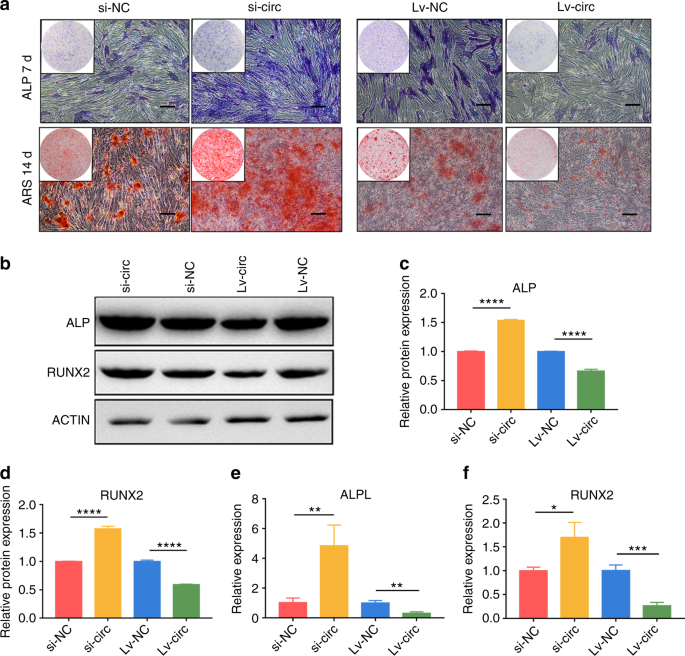
circ_0003204 regulates the osteogenic differentiation of human adipose-derived stem cells via miR-370-3p/HDAC4 axis

alexandrossfakianakis shared this article with you from Inoreader

41368_2022_184_Fig1_HTML.png

International Journal of Oral Science, Published online: 21 June 2022; doi:10.1038/s41368-022-00184-2

circ_0003204 regulates the osteogenic differentiation of human adipose-derived stem cells via miR-370-3p/HDAC4 axis
View on Web

Combination of fluorescence visualization and iodine solution-guided surgery for local control of early tongue cancer

alexandrossfakianakis shared this article with you from Inoreader
The control of enclosed oral epithelial dysplasia is important for the control of oral cancer. Fluorescence visualization and iodine solution are able to detect oral epithelial dysplasia and surrounding oral cancer. The purpose of this study was to clarify the effectiveness of combining fluorescence visualization and iodine solution-guided surgery for early tongue cancer. Participants comprised 264 patients with primary early tongue cancer who underwent surgery. The surgical margin was set at 10  mm outside the clinical tumour, and 5 mm outside the area of fluorescence visualization loss, and 5mm outside the iodine unstained area. (Source: International Journal of Oral and Maxillofacial Surgery)
View on Web

Monday, June 20, 2022

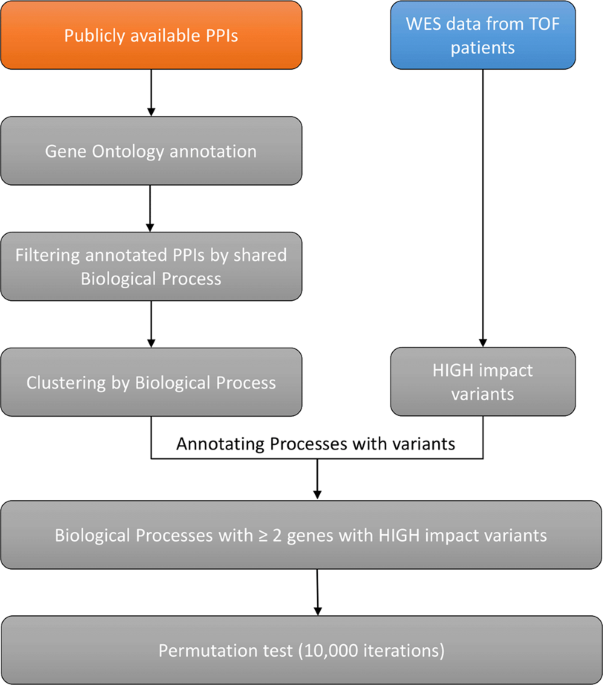
Joint analysis of functionally related genes yields further candidates associated with Tetralogy of Fallot

alexandrossfakianakis shared this article with you from Inoreader

10038_2022_1051_Fig1_HTML.png

Journal of Human Genetics, Published online: 20 June 2022; doi:10.1038/s10038-022-01051-y

Joint analysis of functionally related genes yields further candidates associated with Tetralogy of Fallot
View on Web

Impact of oral motor task training on corticomotor pathways and diadochokinetic rates in young healthy participants

alexandrossfakianakis shared this article with you from Inoreader

Abstract

Background

Studies addressing the training-induced neuroplasticity and interrelationships of the lip, masseter, and tongue motor representations in the human motor cortex using single syllable repetition are lacking.

Objective

This study investigated the impact of a repeated training in a novel PaTaKa diadochokinetic (DDK) orofacial motor task (OMT) on corticomotor control of the lips, masseter, and tongue muscles in young healthy participants.

Methods

A total of 22 young healthy volunteers performed 3 consecutive days of training in an OMT. Transcranial magnetic stimulation was applied to elicit motor evoked potentials (MEPs) from the lip, masseter, tongue, and first dorsal interosseous (FDI, internal control) muscles. MEPs were assessed by stimulus-response curves and corticomotor mapping at baseline and after OMT. The DDK rate from PaTaKa single syllable repetition and numeric rating scale (NRS) scores were also obtained at baseline and immediately after each OMT. Repeated-measures analysis of variance was used to detect differences at a significance level of 5%.

Results

There was a significant effect of OMT and stimulus intensity on the lips, masseter, and tongue MEPs compared to baseline (P < 0.001), but not FDI MEPs (P > 0.05). OMT increased corticomotor topographic maps area (P < 0.001), and DDK rates (P < 0.01).

Conclusion

Our findings suggest that 3 consecutive days of a repeated PaTaKa training in an OMT can induce neuroplastic changes in the corticomotor pathways of orofacial muscles, and it may be related to mechanisms underlying the improvement of orofacial fine motor skills due to short-term training. The clinical utility should now be investigated.

View on Web

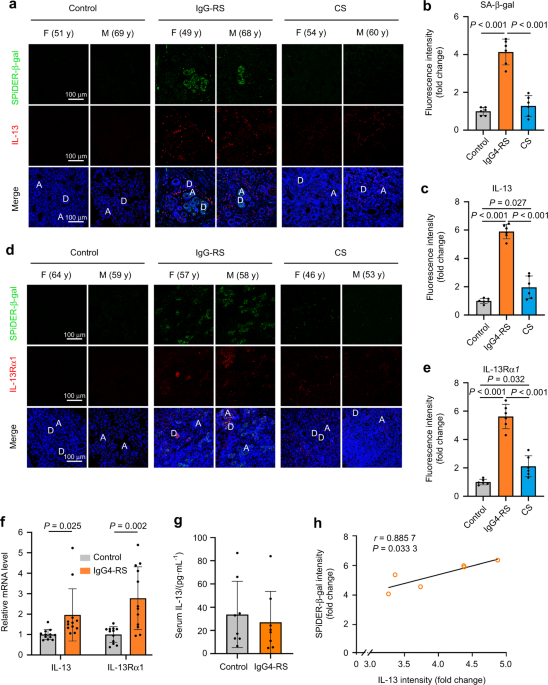
Interleukin-13 promotes cellular senescence through inducing mitochondrial dysfunction in IgG4-related sialadenitis

alexandrossfakianakis shared this article with you from Inoreader

41368_2022_180_Fig1_HTML.png

International Journal of Oral Science, Published online: 20 June 2022; doi:10.1038/s41368-022-00180-6

Interleukin-13 promotes cellular senescence through inducing mitochondrial dysfunction in IgG4-related sialadenitis
View on Web

Entwicklung und Evaluation eines Simulators für die endoskopische Nasennebenhöhlenoperation

alexandrossfakianakis shared this article with you from Inoreader

Laryngorhinootologie
DOI: 10.1055/a-1841-6328

Hintergrund Endoskopische Operationsverfahren haben sich als Goldstandard in der Nasennebenhöhlen (NNH)-Chirurgie etabliert. Den sich daraus ergebenden Herausforderungen für die chirurgische Ausbildung kann durch den Einsatz von Virtuelle-Realität (VR)-Trainingssimulatoren begegnet werden. Bislang wurde eine Reihe von Simulatoren für NNH-Operationen entwickelt. Frühere Studien im Hinblick auf den Trainingseffekt wurden jedoch nur mit medizinisch vorgebildeten Probanden durchgeführt oder es wurde nicht über dessen zeitlichen Verlauf berichtet. Methoden Ein NNH-CT-Datensatz wurde nach der Segmentierung in ein 3-dimensionales, polygonales Oberflächenmodell überführt und mithilfe von originalem Fotomaterial texturiert. Die Interaktion mit der virtuellen Umgebung erfolgte über ein haptisches Eingabegerät. Während der Simulation wurden die Parameter Eingriffsdauer und Fehleranzahl erfasst. Zehn Probanden absolvierten jeweils eine Trainingseinheit bestehend aus je 5 Übungsdurchläufen an 10 aufeinanderfolgenden Tagen. Ergebnisse Vier Probanden verringerten die benötigte Zeit um mehr als 60% im Verlauf des Übungszeitraums. Vier der Probanden verringerten ihre Fehleranzahl um mehr als 60%. Acht von 10 Probanden zeigten eine Verbesserung bezüglich beider Parameter. Im Median wurde im gesamten gemessenen Zeitraum die Dauer des Eingriffs um 46 Sekunden und die Fehleranzahl um 191 reduziert. Die Überprüfung eines Zusammenhangs zwischen den 2 Parametern ergab eine positive Korrelation. Schlussfolgerung Zusammenfassend lässt sich feststellen, dass das Training am NNH-Simulator auch bei unerfahrenen Personen die Performance beträchtlich verbessert, sowohl in Bezug auf die Dauer als auch auf die Genauigkeit des Eingriffs.
[...]

Georg Thieme Verlag KG Rüdigerstraße 14, 70469 Stuttgart, Germany

Article in Thieme eJournals:
Table of contents  |  Abstract  |  Full text

View on Web

Collaboration request

Hi there How would you like to earn a 35% commission for each sale for life by selling SEO services Every website owner requires the ...