Friday, December 18, 2020

Obstetrics & Gynecology

Postscript
imageNo abstract available

Stand up for Equity
imageNo abstract available

Incorporating Preexposure Prophylaxis Into Routine Reproductive Health Care
imageNo abstract available

Low Human Immunodeficiency Virus (HIV) Testing Rates and No HIV Preexposure Prophylaxis Prescribed Among Female Patients Diagnosed With a Sexually Transmitted Infection, 2017–2018
imageNo abstract available

Evaluating the Association of Stillbirths After Maternal Vaccination in the Vaccine Safety Datalink
imageOBJECTIVE: To evaluate whether the Centers for Disease Control and Prevention's Advisory Committee on Immunization Practices recommended influenza and tetanus toxoid, reduced diphtheria toxoid, and acellular pertussis (Tdap) vaccinations in pregnancy are associated with increased risk of stillbirth. METHODS: We performed a case–control study in the Vaccine Safety Datalink that was matched 1:4 on site, month, and year of last menstrual period, comparing the odds of vaccination in pregnancies that ended in stillbirth (defined as fetal loss at or after 20 weeks of gestation) compared with those that ended in live birth from January 1, 2012, to September 30, 2015. We included patients with singleton pregnancies that ended in stillbirth or live birth who had at least one prenatal care visit, pregnancy dating information, and continuous health plan enrollment for the duration of pregnancy. Medical records for all stillbirths were reviewed. We were statistically powered to detect an odds ratio (OR) of 1.37 when evaluating the association between influenza or Tdap vaccination and stillbirth. We also examined stillbirth rates in pregnant patients aged 14–49 years in the Vaccine Safety Datalink between 2007 and 2015. RESULTS: In our matched analysis of 795 confirmed stillbirths in the case group and 3,180 live births in the control group, there was no significant association between influenza vaccination during pregnancy and stillbirth (343/795 [43.1%] stillbirths in the case group vs 1,407/3,180 [44.3%] live births in the control group, OR 0.94, adjusted OR 0.95, 95% CI 0.79–1.14, P=.54) and no significant association between Tdap vaccination during pregnancy and stillbirth (184/795 [23.1%] stillbirths in the case group vs 746/3,180 [23.5%] live births in the control group, OR 0.97, aOR 0.96, 95% CI 0.76–1.28, P=.91). From 2007 to 2015, the stillbirth rate in the Vaccine Safety Datalink was 5.2 per 1,000 live births and stillbirths. CONCLUSION: No association was found between vaccination during pregnancy and the odds of stillbirth. These findings support the safety of ACIP recommendations for vaccination during pregnancy.

Characteristics of Stillbirths Associated With Diabetes in a Diverse U.S. Cohort
imageOBJECTIVE: To characterize stillbirths associated with pregestational diabetes and gestational diabetes mellitus (GDM) in a large, prospective, U.S. case–control study. METHODS: A secondary analysis of stillbirths among patients enrolled in a prospective; multisite; geographically, racially, and ethnically diverse case–control study in the United States was performed. Singleton gestations with complete information regarding diabetes status and with a complete postmortem evaluation were included. A standard evaluation protocol for stillbirth cases included postmortem evaluation, placental pathology, clinical testing as performed at the discretion of the health care professional, and a recommended panel of tests. A potential cause of death was assigned to stillbirth cases using a standardized classification tool. Demographic and delivery characteristics among women with pregestational diabetes and GDM were compared with characteristics of women with no diabetes in pairwise comparisons using χ2 or two-sample t tests as appropriate. Sensitivity analysis was performed excluding pregnancies with genetic conditions or major fetal malformations. RESULTS: Of 455 stillbirth cases included in the primary analysis, women with stillbirth and diabetes were more likely to be older than 35 years and have a higher body mass index. They were also more likely to have a gestational hypertensive disorder than women without diabetes (28% vs 9.1%; P<.001). Women with pregestational diabetes had more large-for-gestational-age (LGA) neonates (26% vs 3.4%; P<.001). Stillbirths occurred more often at term in women with pregestational diabetes (36%) and those with GDM (52%). Maternal medical complications, including pregestational diabetes and others, were more often identified as a probable or possible cause of death among stillbirths with maternal diabetes (43% vs 4%, P<.001) as compared with stillbirths without diabetes. CONCLUSION: Compared with stillbirths in women with no diabetes, stillbirths among women with pregestational diabetes and GDM occur later in pregnancy and are associated with hypertensive disorders of pregnancy, maternal medical complications, and LGA.

Universal Severe Acute Respiratory Syndrome Coronavirus 2 (SARS-COV-2) Testing Uptake in the Labor and Delivery Unit: Implications for Health Equity
imageOBJECTIVE: To understand severe acute respiratory syndrome coronavirus 2 (SARS-CoV-2) testing uptake in the labor and delivery unit and rationales for declining testing, and to institute a process to increase equitable testing uptake. METHODS: We conducted a quality-improvement initiative from May 28–June 25, 2020, during the first 4 weeks of universal SARS-CoV-2 testing in the Barnes-Jewish Hospital labor and delivery unit. All consecutive patients presenting for delivery without coronavirus disease 2019 (COVID-19) symptoms were offered testing over four 1-week phases. Phase I documented the rate of testing uptake. Phase II recorded patients' reasons for declining testing. Phase III used phase II findings to create and implement shared decision-making tools. Phase IV offered each patient who declined nasopharyngeal testing an oropharyngeal alternative. The primary outcome was rate of SARS-CoV-2 testing uptake by phase. RESULTS: Of 270 patients, 223 (83%) accepted testing and 47 (17%) declined. Maternal age and mode of delivery were similar between groups, whereas testing uptake was higher among nulliparous, White, Hispanic, or privately insured patients. There was a significant increase in the primary outcome of SARS-CoV-2 testing across phases I–IV, from 68% to 76% to 94% to 95%, respectively (Somers' D 0.45; 95% CI of association 0.30–0.59). The most commonly cited reason for declining testing was concern regarding testing discomfort. In subgroup analyses by race and insurance type, there was a significant increase in testing uptake across phases I–IV for Black patients (56%, 54%, 91%, 92%; Somers' D 0.36; 95% CI of association 0.28–0.64), White patients (76%, 93%, 96%, 100%; Somers' D 0.59; 95% CI of association 0.38–0.8), those with Medicaid insurance (60%, 64%, 88%, 92%; 95%; Somers' D 0.39; CI of association 0.22 to 0.56), and those with private insurance (77%, 96%, 97%, 100%; Somers' D 0.63; 95% CI of association 0.40–0.86). CONCLUSION: Universal SARS-CoV-2 testing uptake significantly increased through a rapid-cycle improvement initiative. Aligning hospital policy with patient-centered approaches led to nearly universally acceptable testing.

High Concentrations of Nitric Oxide Inhalation Therapy in Pregnant Patients With Severe Coronavirus Disease 2019 (COVID-19)
imageBACKGROUND: Rescue therapies to treat or prevent progression of coronavirus disease 2019 (COVID-19) hypoxic respiratory failure in pregnant patients are lacking. METHOD: To treat pregnant patients meeting criteria for severe or critical COVID-19 with high-dose (160–200 ppm) nitric oxide by mask twice daily and report on their clinical response. EXPERIENCE: Six pregnant patients were admitted with severe or critical COVID-19 at Massachusetts General Hospital from April to June 2020 and received inhalational nitric oxide therapy. All patients tested positive for severe acute respiratory syndrome coronavirus 2 (SARS-CoV-2) infection. A total of 39 treatments was administered. An improvement in cardiopulmonary function was observed after commencing nitric oxide gas, as evidenced by an increase in systemic oxygenation in each administration session among those with evidence of baseline hypoxemia and reduction of tachypnea in all patients in each session. Three patients delivered a total of four neonates during hospitalization. At 28-day follow-up, all three patients were home and their newborns were in good condition. Three of the six patients remain pregnant after hospital discharge. Five patients had two negative test results on nasopharyngeal swab for SARS-CoV-2 within 28 days from admission. CONCLUSION: Nitric oxide at 160–200 ppm is easy to use, appears to be well tolerated, and might be of benefit in pregnant patients with COVID-19 with hypoxic respiratory failure.

Excess Maternal Deaths Associated With Coronavirus Disease 2019 (COVID-19) in Mexico
imageNo abstract available

Clinical Presentation of Coronavirus Disease 2019 (COVID-19) in Pregnant and Recently Pregnant People
imageOBJECTIVE: To describe the clinical presentation, symptomology, and disease course of coronavirus disease 2019 (COVID-19) in pregnancy. METHODS: The PRIORITY (Pregnancy CoRonavIrus Outcomes RegIsTrY) study is an ongoing nationwide prospective cohort study of people in the United States who are pregnant or up to 6 weeks postpregnancy with known or suspected severe acute respiratory syndrome coronavirus 2 (SARS-CoV-2) infection. We analyzed the clinical presentation and disease course of COVID-19 in participants who tested positive for SARS-CoV-2 infection and reported symptoms at the time of testing. RESULTS: Of 991 participants enrolled from March 22, 2020, until July 10, 2020, 736 had symptoms of COVID-19 at the time of testing; 594 tested positive for SARS-CoV-2 infection and 142 tested negative in this symptomatic group. Mean age was 31.3 years (SD 5.1), and 37% will nulliparous. Ninety-five percent were outpatients. Participants who tested positive for SARS-CoV-2-infection were a geographically diverse cohort: 34% from the Northeast, 25% from the West, 21% from the South, and 18% from the Midwest. Thirty-one percent of study participants were Latina, and 9% were Black. The average gestational age at enrollment was 24.1 weeks, and 13% of participants were enrolled after pregnancy. The most prevalent first symptoms in the cohort of patients who tested positive for SARS-CoV-2 infection were cough (20%), sore throat (16%), body aches (12%), and fever (12%). Median time to symptom resolution was 37 days (95% CI 35–39). One quarter (25%) of participants who tested positive for SARS-CoV-2 infection had persistent symptoms 8 or more weeks after symptom onset. CONCLUSION: COVID-19 has a prolonged and nonspecific disease course during pregnancy and in the 6 weeks after pregnancy. CLINICAL TRIAL REGISTRATION: ClinicalTrials.gov, NCT04323839.

#
Medicine by Alexandros G. Sfakianakis,Anapafseos 5 Agios Nikolaos 72100 Crete Greece,00302841026182,00306932607174,alsfakia@gmail.com,
Telephone consultation 11855 int 1193,

Optometry and Vision Science


Case Report: Ocular Tilt Reaction with Internuclear Ophthalmoplegia and Multiple Cranial Nerve Palsies
imageSIGNIFICANCE Ocular tilt reaction (OTR) is an abnormal eye-head postural reaction that consists of skew deviation, head tilt, and bilateral ocular torsion. Understanding of the pathway of the vestibulo-ocular reflex (VOR) is essential because this will help to localize the pathology. PURPOSE The aim of this study was to report a case of OTR with contralateral internuclear ophthalmoplegia (INO) and fifth and seventh cranial nerve palsies. CASE REPORT A 51-year-old gentleman with underlying diabetes mellitus presented with sudden onset of diplopia for 3 days. On examination, his visual acuity was 20/30 bilaterally without a relative afferent pupillary defect. He had a right OTR consisting of a right head tilt, a skew deviation with a left eye hypertropia, and bilateral ocular torsion (right excyclotorsion and left incyclotorsion) with nystagmus. He also had a left adduction deficit and right abduction nystagmus consistent with a left INO. Ocular examination revealed evidence of proliferative diabetic retinopathy bilaterally. Two days after the initial presentation, the patient developed left seventh and fifth cranial nerve palsies. MRI showed left pontine infarction and multiple chronic lacunar infarctions. There was an incidental finding of a vascular loop compression on cisternal portions of the left trigeminal, facial, and vestibulocochlear nerves. Antiplatelet treatment was started on top of a better diabetic control. The diplopia was gradually resolved with improved clinical signs. In this case, the left pontine infarction had likely affected the terminal decussated part of the vestibulocochlear nerve from the right VOR pathway, medial longitudinal fasciculus, and cranial nerve nuclei in the left pons. CONCLUSIONS The OTR can be ipsilateral to the lesion if the lesion is before the decussation of the VOR pathway in the pons, or it can be contralateral to the lesion if the lesion is after the decussation. In case of an OTR that is associated with contralateral INO and other contralateral cranial nerves palsy, a pathology in the pons that is contralateral to the OTR should be considered. Neuroimaging study can hence be targeted to identify the possible cause.

Case Report: Effect of a Retinal Prosthesis System on Charles Bonnet Visual Hallucinations
imageSIGNIFICANCE Charles Bonnet syndrome is commonly encountered and diagnosed in low-vision patients. It can be distressing for some of them, as there is no known effective treatment of this condition. Although there is a growing interest in retinal implants for blind patients with severe retinal diseases, the effect of these devices on Charles Bonnet syndrome visual hallucinations remains undocumented. PURPOSE The aim of this study was to report changes in the Charles Bonnet syndrome of a patient with retinitis pigmentosa after implantation of the Argus II retinal prosthesis. CASE REPORT A 65-year-old patient with retinitis pigmentosa and no light perception was frequently experiencing Charles Bonnet syndrome. In the hope of improving his vision, he received an Argus II retinal prosthesis in 2018 and participated in a 10-week rehabilitation program at the Institut Nazareth et Louis-Braille. The nature and the frequency of his Charles Bonnet syndrome were documented with the Questionnaire de repérage du syndrome de Charles Bonnet (a French questionnaire used to screen for Charles Bonnet syndrome) before the surgery and for 70 weeks after it. The patient's visual acuity and visual fields were monitored during the same period. Additional tests were administered to document the visual, psychological, and cognitive states of the patient throughout the study. CONCLUSIONS Although this case report confirmed that Argus II retinal prosthesis improves the performance of blind patients in visual tests, the improvement was not associated with a decrease in the symptoms of Charles Bonnet syndrome.

Case Report: Use of Prosthetic Replacement of the Ocular Surface Ecosystem Treatment of Traumatic Lid Ptosis in a Pediatric Patient
imageSIGNIFICANCE This report shares the long-term outcomes of an uncommon use of prosthetic replacement of the ocular surface ecosystem (PROSE) treatment and scleral lenses in the treatment for patients with ptosis who are not surgical candidates. PURPOSE This study aimed to describe a case of pediatric traumatic lid ptosis and follow-up during an 8-year period with PROSE treatment. CASE REPORT A 7-year-old Honduran girl presented with a history of severe cranial, facial, and ocular trauma as a result of a motor vehicle accident. Significant ptosis with left-sided facial paralysis and irregular astigmatism significantly reduced the patient's visual function in the left eye. She was evaluated and treated with a scleral prosthetic device in the left eye to improve vision, the ocular surface, and overall function for activities of daily living. After 8 years of PROSE treatment, acuity in the left eye remained stable at 20/25. The corneal health remained stable throughout this period, without complications of corneal neovascularization or corneal edema. CONCLUSIONS Prosthetic replacement of the ocular surface ecosystem treatment provided support of the ocular surface and mechanical left upper eyelid lift in a traumatic eyelid ptosis, ultimately providing improved visual function during an extensive 8-year period in a pediatric patient. Further studies are needed to evaluate the applicability of this approach in broader ptosis cases.

Case Report: Effect of Haploscopic Filter on Contrast Sensitivity Function and Color Vision Tests
imageSIGNIFICANCE The options that can help patients with congenital color vision defect, to a better professional and leisure adaptation, are very limited. Different haploscopic lenses can be considered, and their effects need to be investigated in patients with different defects. PURPOSE The purpose of this study was to present and discuss the effect of a pair of asymmetric long-pass filters fitted for deuteranopia, with the result of a 60% improvement in distinguishing red-green plates when compared with baseline. CASE REPORT We report the case of a 51-year-old man with congenital deuteranopia fitted with haploscopic ChromaGen filters. During the 2-month follow-up, we observed a decrease in left-eye logMAR visual acuity and contrast sensitivity with an increased ability to discriminate the plates of different color vision tests (Ishihara, Farnsworth, and Hardy-Rand-Rittler). The visual outcomes are discussed considering the spectral sensitivity curves of each filter, measured with a spectrophotometric device. CONCLUSIONS This report describes an improvement in the ability to resolve color vision plates after using asymmetric haploscopic filters showing a left-eye decrease in logMAR visual acuity and contrast sensitivity function. Subjects with a history of color vision deficiency might benefit from using haploscopic filters that selectively minimize the transmittance within a specific bandwidth to improve the color discrimination in deutan color vision deficiency. The simultaneous analysis of the color vision outcomes and transmittance spectrum of the haploscopic filters might contribute to a better understanding of the mechanisms behind the claimed efficacy of these devices.

Case Report: Tropheryma whipplei Infection Presenting with Optic Disc Edema
imageSIGNIFICANCE Whipple disease is a rare chronic, systemic bacterial infection that predominantly affects the small intestine but also other organs of the body. When left untreated, it can be not only vision threatening but also life threatening because of its central nervous system involvement. Therefore, early detection and treatment are important. PURPOSE We report a rare case of unilateral optic disc edema as a critical identifying sign of Whipple disease. CASE REPORT An asymptomatic 49-year-old African American man presented for an eye examination and was found to have optic nerve edema of the right eye. His best-corrected visual acuity was 20/20 in the right and left eye. He denied symptoms of diplopia, amaurosis fugax, or eye pain. His medical history was significant for HIV with no recent detectable viral load at the time of his eye examination. The patient denied any other infectious risk factors or changes in medical status. Extensive ophthalmic, neuroimaging, and laboratory investigations were completed as a comprehensive approach to rule out more common etiologies for unilateral optic disc edema. This initial workup yielded no identifying etiology, and the patient was monitored closely with frequent examinations with a retina specialist. Soon after his diagnosis of optic nerve edema, the patient developed new symptoms of chronic diarrhea, weight loss, and fatigue requiring hospitalization. Evaluations by internal medicine and gastroenterology, including serological testing, stool analysis, histological and microbiological analysis, esophagogastroduodenoscopy, and gastrointestinal biopsy, confirmed a diagnosis of Whipple disease that was successfully treated with oral antibiotics. CONCLUSIONS Whipple disease is a rare cause of infectious optic nerve edema that may present with other rheumatoid and gastrointestinal symptoms. A comprehensive medical approach for investigating unilateral optic nerve edema is paramount in diagnosing and treating Whipple disease.

Technical Report: A New Method for Determining Image Distance for Stand Magnifiers
imageSIGNIFICANCE Low vision rehabilitation clinicians must sometimes evaluate stand magnifiers to determine their true optical properties. A novel method is described for measuring the image distance of stand magnifiers. PURPOSE We describe a new method for determining the image distance of stand magnifiers, which has some advantages over previously described methods. METHODS Diverging light emerging from a stand magnifier is brought to a focus on the ceiling or other flat surface using convex lenses placed on the top of the stand magnifier lens. Knowing the power of this convex lens and the distance from the magnifier lens to the imaging surface, one can calculate the degree to which the emerging light is diverging and, from that, the image distance. Each author evaluated three stand magnifiers using this method and compared our results with each other and with the values for image distance published by the manufacturer. RESULTS Our method produced measurements that were consistent between three clinicians, with emerging divergence values differing by no more than 0.37 D and image distance differing by 0.6 to 3.1 cm for the three magnifiers evaluated. Our measured values also corresponded favorably with the published image distances listed in the manufacturer's catalog, deviating by a maximum of 3.7 cm and a mean of 1.3 cm. When the manufacturer's image distances were converted to dioptric divergence, our measurements varied by a maximum of 0.48 D and a mean of 0.17 D. CONCLUSIONS Our method provides an expedient and clinically accurate way to evaluate the divergence and image distance of a stand magnifier. Knowing the image distance is valuable by itself, but the divergence of the emerging light is also critical in determining the stand magnifier's enlargement ratio.

Technical Report: The Mechanism of Contour Interaction Differs in the Fovea and Periphery
imageSIGNIFICANCE Both foveal and peripheral contour interactions are based on, as yet, unexplained neural mechanisms. Our results show that, unlike foveal contour interaction, peripheral contour interaction cannot be explained on the basis of the antagonistic structure of neural receptive fields. PURPOSE Foveal contour interaction is markedly reduced for mesopic compared with photopic targets. This finding is consistent with an explanation based on the antagonistic structure of neural receptive fields. However, no reduction was found for low-luminance targets in the periphery, possibly because the luminances used previously remained substantially above peripheral scotopic detection thresholds. In this study, we compared foveal and peripheral contour interactions for long-wavelength photopic and mesopic targets, which would be expected to significantly elevate the peripheral retinal detection threshold. METHODS Five normal observers viewed a randomly selected Sloan letter surrounded by four flanking bars at several edge-to-edge separations (min arc). Photopic and mesopic stimuli were viewed foveally and at 6° peripherally through a selective red filter that ensured that mesopic targets were within 1 log unit of detection threshold at both retinal locations. RESULTS Whereas the magnitude of foveal contour interaction was substantially less at mesopic compared with photopic luminance (20 vs. 46% reduction of percent correct, on average), no significant difference was observed in peripheral contour interaction, which had average mesopic and photopic magnitudes of 38 and 40%. Moreover, confusion matrices representing photopic and mesopic contour interaction differed in the fovea but not in the periphery. The extent of contour interaction did not change with luminance at either retinal location. CONCLUSIONS Our results indicate that, although the characteristics of foveal contour interaction can be accounted for by the antagonistic structure of neural receptive fields, the same mechanism is not compatible with the characteristics of peripheral contour interaction.

Convergence Insufficiency Neuro-mechanism in Adult Population Study Randomized Clinical Trial: Clinical Outcome Results
imageSIGNIFICANCE These data confirm the effectiveness of office-based vergence/accommodative therapy for improving the near point of convergence and positive fusional vergence in young adults with symptomatic convergence insufficiency within a double-masked longitudinal randomized clinical trial. PURPOSE This study aimed to report changes in clinical signs and symptoms of convergence insufficiency from a randomized clinical trial evaluating the effectiveness of office-based vergence/accommodative therapy for young adults with symptomatic convergence insufficiency. METHODS In this double-masked, randomized clinical trial, convergence insufficiency patients (n = 50; average age, 21 ± 3 years; range, 18 to 32 years) were randomized to either office-based vergence/accommodative therapy or office-based placebo therapy. Improvements in (1) near point of convergence, (2) positive fusional vergence, and (3) self-reported symptoms (Convergence Insufficiency Symptom Survey [CISS] score) were evaluated after twelve 1-hour sessions of treatment within the office comparing the results from the vergence/accommodative therapy and the placebo therapy groups. RESULTS The mean near point of convergence improved by 6.0 and 3.1 cm in the vergence/accommodative and placebo therapy groups, respectively (mean difference of −2.9 cm; 95% confidence interval [CI], −4.6 to −1.0 cm; P < .01). The mean positive fusional vergence increased by 17.3 and 7.4Δ in the vergence/accommodative and placebo therapy groups, respectively (mean difference of 9.9Δ; 95% CI, 4.9 to 16.0Δ; P < .001). The mean CISS score improved by 12.4 and 10.1 points in the vergence/accommodative and placebo therapy groups, respectively (mean difference of 2.3 points; 95% CI, −8.3 to +4.6 points; P = .56). CONCLUSIONS Our results demonstrate that office-based vergence/accommodative therapy is effective for improving the near point of convergence and positive fusional vergence in young adults with symptomatic convergence insufficiency. However, given that both treatment groups had a similar reduction in self-reported symptoms, we recommend that the CISS be revised if it is to be used as an outcome measure in future studies of convergence insufficiency.

How Do Different Digital Displays Affect the Ocular Surface?
imageSIGNIFICANCE Digital display use has been accepted as a contributing factor to dry eye disease. Nowadays, plenty of new models of digital displays have been developed, and the differences in their nature and the ways in which they are set and used may contribute to differences in the eye-related problems they cause. PURPOSE This study aimed to analyze the differences in ocular surface, tear film, and visual fatigue parameters after reading on different digital displays, with and without initial instillation of artificial tears. METHODS Thirty-one healthy individuals ranging in age from 20 to 26 years (mean ± standard deviation, 21.26 ± 1.73 years) were included in this prospective clinical study. Subjects' ocular surface, tear film, and visual fatigue parameters were assessed after reading for 15 minutes on a laptop computer, tablet, e-reader, and smartphone with matching characteristics and a baseline measurement. Measurements were taken with and without the instillation of artificial tears before the reading tasks and included the Ocular Surface Disease Index questionnaire, the Computer Vision Syndrome Questionnaire, tear meniscus height, the Schirmer I test, noninvasive keratograph break-up time, osmolarity, bulbar redness, and pupil size. RESULTS Statistically significant differences in the Ocular Surface Disease Index, Computer Vision the Syndrome Questionnaire, tear meniscus height, the Schirmer I test, noninvasive keratograph break-up time, osmolarity, and bulbar redness were obtained when comparing the displays (P < .05). Best results were obtained with the smartphone and the e-reader. Conversely, the computer produced the highest disturbance on the ocular surface and tear film. Finally, the instillation of artificial tears revealed no statistical improvement of ocular surface or tear film parameters for the same device (P > .05). CONCLUSIONS Taking into account the clinical tests for dry eye diagnosis, the smartphone may be considered as the least disturbing display, producing lower dry eye signs and symptoms in comparison with other devices.

#
Medicine by Alexandros G. Sfakianakis,Anapafseos 5 Agios Nikolaos 72100 Crete Greece,00302841026182,00306932607174,alsfakia@gmail.com,
Telephone consultation 11855 int 1193,

Thursday, December 17, 2020

JBI Evidence Synthesis

Assessing impact: does sample size matter?
No abstract available

Barriers and facilitators to physical activity among ethnic Chinese children: a qualitative systematic review
imageObjective: The review aimed to synthesize the barriers and facilitators from the available studies that explored physical activity among ethnic Chinese children and uncover any differences or similarities in these barriers and facilitators. Introduction: Physical activity promotes overall health, fitness, and well-being in children, yet prevalence of this has been low among ethnic Chinese children who reside in either Chinese and non-Chinese territories. Research has been conducted to explore the barriers and facilitators to physical activity among ethnic Chinese children. However, no qualitative systematic review has been conducted to synthesize these barriers and facilitators. Inclusion criteria: Studies were considered for inclusion if they explored the barriers and facilitators to physical activity among ethnic Chinese children aged six to 17 years in either Chinese or non-Chinese territories, or among people who had responsibility for them in school, home, and community settings. The review included studies that focused on their views, experiences, attitudes, understandings, perceptions, and perspectives. Studies were included if they focused on qualitative data including, but not limited to, designs such as phenomenology, ethnography, grounded theory and action research. In addition, the authors considered cross-sectional surveys to find any free text relating to the review question. Methods: MEDLINE, Embase, CINAHL, PsycINFO, BNI, AMED, Web of Science, Scopus, CNKI, Wanfang and VIP databases were searched to identify published studies. The search for unpublished studies included EThOS, OpenGrey, ProQuest Dissertations and Theses, CNKI and Wanfang. Databases were searched from their inception dates to 10 December 2018 and no language restrictions were applied. The JBI guidelines for qualitative systematic reviews were followed in conducting the review. The JBI process of meta-aggregation was used to identify categories and synthesize findings. Results: Out of 9460 records identified, 11 qualitative studies met the eligibility criteria and were included in the review. Using the JBI checklist for qualitative research (10 criteria), the critical appraisal scores of the majority of studies ranged from a moderate score of 6 (n = 1) to a high score of 7 and above (n = 9). Seven studies were from China, two from Australia, one each from the United Kingdom and the United States. The sample size ranged from 12 to 115 participants. A total of 56 findings were extracted and aggregated into 21 categories, based on the similarity of meaning. From studies conducted in the Chinese territories, four synthesized findings (personal, socio-cultural, environmental, and policy- and program-related barriers and facilitators) were aggregated from 37 extracted findings and 14 aggregated categories. From studies conducted in the non-Chinese territories, only two synthesized findings (personal and socio-cultural barriers and facilitators) were derived from 19 extracted findings and seven aggregated categories. Based on the ConQual scores, confidence in the synthesized findings was moderate. Conclusions: Four broad themes emerged from the participants' accounts, namely personal, socio-cultural, environmental, and policy- and program-related factors. Barriers and facilitators at the personal and socio-cultural level (e.g., parents and teachers) were most frequently cited, reflecting the importance of children's self-influence and the role of adults. Future interventions are needed to address the identified barriers and enhance the facilitators. Systematic review registration number: PROSPERO CRD42018097124

Characteristics of Indigenous healing strategies in Canada: a scoping review
imageObjective: The objective of this review was to identify the characteristics of Indigenous healing strategies in Canada and culturally relevant approaches within Indigenous contexts. Introduction: In responding to the Canadian Truth and Reconciliation Commission's Calls to Action, there is increasing interest in Indigenous healing strategies across clinical, policy, and community sectors. The high relevance of Indigenous healing has also encouraged exploration of new approaches to research that are responsive to, and inclusive of, Indigenous contexts. To date, there is no clear understanding of what characterizes Indigenous healing strategies in Canada. Inclusion criteria: This review considered healing strategies for First Nations, Inuit, and Métis in Canada. Strategies examined included those related to health services and programs, policies and guidelines, models and frameworks, and Indigenous narratives and expert opinion in any service setting. Methods: This review employed the JBI approach to scoping reviews. Searches were performed in CINAHL Full Text, Sociological Abstracts, PsycINFO, MEDLINE, and Academic Search Premier in December 2018. Searches for gray literature were conducted in iPortal, Canadian Electronic Library, and a list of Canadian government and Indigenous organization websites in February 2019. This review was limited to publications from 2008 onward. Non-English articles and theses and dissertations were excluded. Results: Among the 59 articles included in this review, 41 were journal articles and 28 were published within the previous five years (i.e., 2014 and onward). The healing strategies were most frequently implemented in Ontario (n = 13), British Columbia (n = 8), and Manitoba (n = 5). The majority of strategies were utilized in the health settings (n = 37), which included mainstream treatment modalities as well as community-based healing initiatives. Services and programs (n = 24) were the predominant type of healing strategies, followed by models and frameworks (n = 9), policies and guidelines (n = 8), Indigenous narratives and expert opinion (n = 7), and others (n = 11). The most frequent guiding principles were identified as Honoring Cultures and Traditions (n = 14), Medicine Wheel (n = 12), and Strength-Based/Empowerment (n = 12). The most widely used main components were Artistic Expression (n = 16), Ceremonies (n = 15), and Games and Exercises (n = 12). As for human resources, Community Members (n = 19) were most frequently engaged, followed by Local Agencies (n = 12) and Knowledge Keepers (n = 12). Eight culturally relevant approaches were identified from 29 primary research studies, with the most popular being Consultation/Participatory Research (n = 20) and Indigenous Protocols (n = 5). Conclusions: The findings of this review collectively support a decolonizing approach that upholds Indigenous knowledge, respects Indigenous rights to self-determination, and recognizes Indigenous resilience and agency. More research is needed with a focus on Inuit or Métis healing, and innovative knowledge synthesis methods inclusive of diverse Indigenous ways of knowing.

Effectiveness of non-pharmacological interventions to treat orthostatic hypotension in elderly people and people with a neurological condition: a systematic review
imageObjective: The objective of this review was to summarize the best available evidence regarding the effectiveness of non-pharmacological interventions to treat orthostatic hypotension (OH) in elderly people and people with a neurological condition. Introduction: Orthostatic hypotension is common in elderly people and people with a neurological condition and can interfere with or limit rehabilitation. Non-pharmacological interventions to treat OH could allow for longer and earlier mobilization, which is recommended in national clinical guidelines for rehabilitation in the acute or sub-acute phase following stroke or other neurological conditions. Inclusion criteria: The review considered people aged 50 years and older, and people aged 18 years and elderly people with a neurological condition. Non-pharmacological interventions to treat OH included compression garments, neuromuscular stimulation, physical counter-maneuvers, aerobic or resistance exercises, sleeping with head tilted up, increasing fluid and salt intake, and timing and size of meals. The comparator was usual care, no intervention, pharmacological interventions, or other non-pharmacological interventions. Outcome measures included systolic blood pressure, diastolic blood pressure, heart rate, cerebral blood flow, observed/perceived symptoms, duration of standing or sitting in minutes, tolerance of therapy, functional ability, and adverse events/effects. Methods: Databases for published and unpublished studies available in English up to April 2018 with no lower date limit were searched. Critical appraisal was conducted using standardized instruments from JBI. Data were extracted using standardized tools designed for quantitative studies. Where appropriate, studies were included in a meta-analysis; otherwise, data were presented in a narrative form due to heterogeneity. Results: Forty-three studies – a combination of randomized controlled trials (n = 13), quasi-experimental studies (n = 28), a case control study (n = 1), and a case report (n = 1) – with 1069 participants were included. Meta-analyses of three interventions (resistance exercise, electrical stimulation, and lower limb compression bandaging) showed no significant effect of these interventions. Results from individual studies indicated physical maneuvers such as leg crossing, leg muscle pumping/contractions, and bending forward improved orthostatic hypotension. Abdominal compression improved OH. Sleeping with head up in combination with pharmacological treatment was more effective than sleeping with head up alone. Eating smaller, more frequent meals was effective. Drinking 480 mL of water increased blood pressure. Conclusions: The review found mixed results for the effectiveness of non-pharmacological interventions to treat OH in people aged 50 years and older, and people with a neurological condition. There are several non-pharmacological interventions that may be effective in treating OH, but not all have resulted in clinically meaningful changes in outcome. Some may not be suitable for people with moderate to severe disability; therefore, it is important for clinicians to consider the patient's abilities and impairments when considering which non-pharmacological interventions to implement.

Efficacy of group social skills interventions on social competency and participation in adolescents with acquired and developmental disabilities: a systematic review protocol
Objective: The objective of this review is to evaluate the efficacy of group social skills interventions in improving social knowledge, social competency, and social participation in adolescents with acquired and developmental disabilities. Introduction: Difficulties with social functioning and participation are commonly experienced by adolescents with a range of acquired and developmental disabilities. There is evidence for the use of group social skills interventions in youth with autism spectrum disorder, although less is known about their efficacy with youth with other disabilities. Inclusion criteria: This review will include studies that evaluate group social skills interventions in adolescents with an acquired or developmental disability, excluding a primary mental health disorder. Randomized controlled trials will be the only experimental design included and group social skills interventions must have an available intervention manual to allow use in clinical practice. Primary outcomes will include measures of social knowledge, social competence, and social participation. Methods: PubMed, CINAHL, Embase, Cochrane Central Register of Controlled Trials, PsycINFO, and Web of Science will be searched for eligible studies published in English. Clinical Trials Registry, Google Scholar, and ProQuest Dissertations and Theses will also be searched. Screening, study selection, critical appraisal, and data extraction will be conducted by two independent reviewers using standardized tools. Studies will be pooled, where possible, with statistical meta-analysis and the Grading of Recommendations, Assessment, Development and Evaluation (GRADE) Summary of Findings presented. Systematic review registration number: PROSPERO CRD42020158189.

Effects of reading media on reading comprehension in health professional education: a systematic review protocol
Objective: To evaluate the effect of digital-based reading versus paper-based reading on reading comprehension among students, trainees, and residents participating in health professional education. Introduction: Several reviews have examined the effects of reading media on reading comprehension; however, none have considered health professional education specifically. The growing use of electronic media in health professional education, as well as recent data on the consequences of digital-based reading on learning, justify the necessity to review the current literature to provide research and educational recommendations. Inclusion criteria: Studies conducted with health professions students, trainees, and residents individually receiving educational material written in their first language in a paper-based or a digital-based format will be considered. Studies conducted among participants with cognitive impairment or reading difficulties will be excluded. Observational, experimental and quasi-experimental studies that assess reading comprehension measured by previously validated or researcher-generated tests will be considered. Methods: Relevant studies will be sought from CINAHL, Embase, ERIC, Google Scholar, MEDLINE, PsycINFO, and Web of Science (SCI and SSCI), without date or language restrictions. Two independent reviewers will perform title and abstract screening, full-text review, critical appraisal, and data extraction. Disagreements will be resolved through discussion or with a third independent reviewer. Synthesis will occur at four levels (i.e., study, participant, intervention, and outcome levels) in a table format. Data will be synthesized descriptively and with meta-analyses if appropriate. Systematic review registration number: PROSPERO CRD42020154519

Experiences of Widening Participation students in undergraduate medical education in the United Kingdom: a qualitative systematic review protocol
Objective: The objective of this review is to characterize the experiences of Widening Participation students in undergraduate medical education in the United Kingdom (UK). Introduction: Most Widening Participation research in the UK is focused on medical school recruitment. Although this is important, there is a paucity of research examining whether the experience of medical school itself is an equal experience for both traditional and Widening Participation students. The aim of this review is to explore and to characterize the experiences of Widening Participation students within medical education during their studies in the UK. Inclusion criteria: This review will include qualitative research conducted in the UK examining any aspect of the lived experience of undergraduate medical education according to Widening Participation students, including identity formation, learning experience in pre-clinical environments and clinical placements, and the relation to social, cultural, and financial capital. Methods: The study will consider articles found through searching the databases MEDLINE, PubMed, Web of Science, CINAHL, Embase, PsycINFO, and ERIC, as well as gray literature. Studies published from 2000 onwards in the English language will be included. Studies will be assessed against the inclusion criteria at all stages by two independent reviewers. Eligible studies will be critically appraised for methodological quality. Regardless of methodological quality, all studies retrieved will be included in the review. The final synthesized findings will be graded according to the ConQual approach. Systematic review registration number: Submitted and awaiting registration on PROSPERO (ID 167879)

Prevalence of tobacco smoking among European migrants residing in EU 15 countries: a quantitative systematic review protocol
Objectives: The objective of this systematic review is to summarize the prevalence of tobacco smoking in European migrants residing in EU 15 countries. Introduction: Most of the migration within the World Health Organization European Region is intracontinental. The prevalence of smoking varies greatly across the European Region. Migrants may choose to adopt the smoking behaviors of their host countries or retain the smoking behaviors of their countries of origin. Several studies have identified the high prevalence of smoking of some migrant groups in comparison to their host countries, but no systematic reviews have been completed on intracontinental migrants within the European Region. Inclusion criteria: Epidemiological studies, which include data on the prevalence of tobacco smoking in European migrants aged ≥ 15 years of age living in the following EU 15 countries host countries for ≥ 1 year: Austria, Belgium, Denmark, Finland, France, Germany, Greece, Ireland, Italy, Luxembourg, Netherlands, Portugal, Spain, Sweden, and the United Kingdom. Methods: MEDLINE, Embase, CINAHL, PsycINFO, ASSIA, and Web of Science will be searched to identify published studies. General gray literature (eg, Open Grey) as well as gray literature for migrants (Migrant Health Research Portal) and tobacco will be searched. The JBI methodology for systematic reviews of prevalence will be used in this review. Data synthesis will use meta-analysis where appropriate and narrative synthesis.

Effectiveness of nitric oxide agents in preventing the early onset of pre-eclampsia and possible modification of metabolic factors in high-risk pregnancies: a systematic review protocol
Objectives: To determine the effectiveness of nitric oxide agents in modifying the metabolic factors of pre-eclampsia and its effectiveness in preventing the onset of pre-eclampsia in high-risk pregnancies. Introduction: Pre-eclampsia is a major cause of maternal death during the prenatal and neonatal periods. Nitric oxide is a vasodilator and platelet aggregation inhibitor responsible for the vascular adaptation of the placenta. Although various studies have established that nitric oxide is effective in preventing complications from pre-eclampsia, there is limited evidence to show that administering nitric oxide agents to high-risk women before 20 weeks' gestation will prevent the onset of pre-eclampsia. Inclusion criteria: This review will consider randomized controlled trials that compare nitric oxide donors and precursors with a placebo or no intervention on pregnant women (18 to 44 years) with ≤ 20-week gestational age that are at high risk of pre-eclampsia. The primary outcome of interest will be the onset of pre-eclampsia. Secondary outcomes include increased systolic and diastolic blood pressure, elevated asymmetric dimethylarginine levels, decreased endothelial nitric oxide synthase activity, reduced maternal placental vasculature, and abnormal Doppler ultrasound waveforms. Methods: Data sources will be drawn up from MEDLINE, CINAHL, ProQuest (Health and Medicine), and Web of Science from inception till current date. No language restrictions will be applied in the search strategy. Selected studies will be assessed against the JBI critical appraisal checklist, and the certainty of evidence and strength of recommendations from findings will also be ascertained. Systematic review registration number: PROSPERO CRD42018099298

Participation-focused interventions for stroke rehabilitation: a scoping review protocol
Objective: The objectives of this scoping review are to i) identify adaptive stroke rehabilitation interventions using metacognitive or self-management approaches targeting participation as an outcome; ii) determine the explicit and implicit theories underlying these interventions; and iii) ascertain the elements in each intervention. This review will develop a catalogue of these interventions, improving the understanding of how these interventions work, thereby facilitating efficient development and testing of participation-focused interventions. Introduction: Stroke rehabilitation interventions can be categorized as those aiming to correct impairment and those seeking participation improvement despite impairment. Impairment-focused interventions include a relatively small number of well-defined elements, generally based on motor learning or other types of learning theory. Participation-focused interventions span a large group of diverse interventions. The underlying theory is typically varied and often implicit, but many of these interventions are based on metacognitive or self-management approaches. An examination of the underlying theory and elements of participation-focused interventions would allow researchers to more effectively advance the science of these approaches. Inclusion criteria: The review will include published papers describing rehabilitation interventions using metacognitive or self-management approaches to improve participation among adults who have experienced a stroke. Methods: The search will include JBI Evidence-Based Practice Database, MEDLINE, Embase, CINAHL, PsycINFO, OTSeeker, and PEDro databases. Studies will be selected according to a three-step process, including i) managing search results and removing duplicates, ii) title and abstract screening, and iii) full text screening. The extracted data will be presented in table form and narrative summary, aligning with the objectives and scope of this review.

#
Medicine by Alexandros G. Sfakianakis,Anapafseos 5 Agios Nikolaos 72100 Crete Greece,00302841026182,00306932607174,alsfakia@gmail.com,
Telephone consultation 11855 int 1193,

Ophthalmology Clinics

COVID-19 and the Eye: A Comprehensive Review of the Literature
No abstract available

A Review and Update on Surgical Management of Intraocular Lens Dislocation
imageNo abstract available

Updates in the Management of Corneal Ectasia
No abstract available

Review: Optimizing DMEK Technique, 2018-2020
No abstract available

Recent Advances in Pediatric Endothelial Keratoplasty
imageNo abstract available

Recent Updates in Femtosecond Laser-assisted Cataract Surgery
imageNo abstract available

Alpha-Gal Syndrome in Ophthalmology and Medicine: Erratum
No abstract available

#
Medicine by Alexandros G. Sfakianakis,Anapafseos 5 Agios Nikolaos 72100 Crete Greece,00302841026182,00306932607174,alsfakia@gmail.com,
Telephone consultation 11855 int 1193,

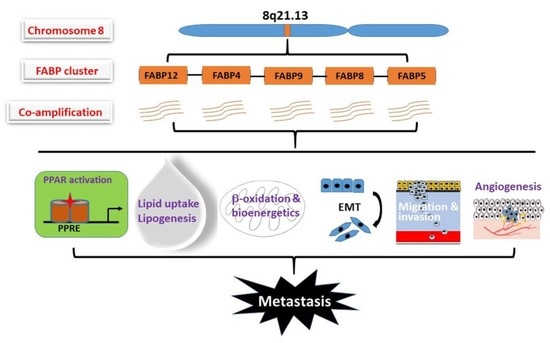
Cancers, Vol. 12, Pages 3823: An Amplified Fatty Acid-Binding Protein Gene Cluster in Prostate Cancer: Emerging Roles in Lipid Metabolism and Metastasis

Alexandros G.Sfakianakis shared this article with you from Inoreader
Μέσω Cancers

cancers-12-03823-ag-550.jpg

Cancers, Vol. 12, Pages 3823: An Amplified Fatty Acid-Binding Protein Gene Cluster in Prostate Cancer: Emerging Roles in Lipid Metabolism and Metastasis

Cancers doi: 10.3390/cancers12123823

Authors: Rong-Zong Liu Roseline Godbout

Treatment for early stage and localized prostate cancer (PCa) is highly effective. Patient survival, however, drops dramatically upon metastasis due to drug resistance and cancer recurrence. The molecular mechanisms underlying PCa metastasis are complex and remain unclear. It is therefore crucial to decipher the key genetic alterations and relevant molecular pathways driving PCa metastatic progression so that predictive biomarkers and precise therapeutic targets can be developed. Through PCa cohort analysis, we found that a fatty acid-binding protein (FABP) gene cluster (containing five FABP family members) is preferentially amplified and overexpressed in metastatic PCa. All five FABP genes reside on chromosome 8 at 8q21.13, a chromosomal region frequently amplified in PCa. There is emerging evidence that these FABPs promote metastasis through distinct biological actions and molecular pathways. In this review, we discuss how these FABPs may serve as drivers/promoters for PCa meta static transformation using patient cohort analysis combined with a review of the literature.

View on the web

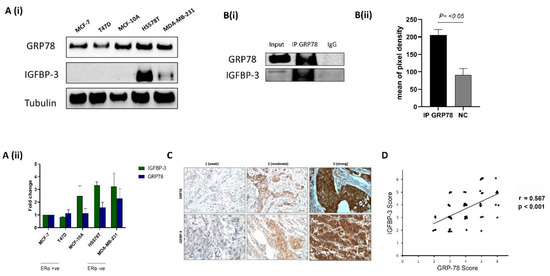
Cancers, Vol. 12, Pages 3821: Interaction between GRP78 and IGFBP-3 Affects Tumourigenesis and Prognosis in Breast Cancer Patients

Alexandros G.Sfakianakis shared this article with you from Inoreader
Μέσω Cancers

cancers-12-03821-g001-550.jpg

Cancers, Vol. 12, Pages 3821: Interaction between GRP78 and IGFBP-3 Affects Tumourigenesis and Prognosis in Breast Cancer Patients

Cancers doi: 10.3390/cancers12123821

Authors: Hanna A. Zielinska Carl S. Daly Ahmad Alghamdi Amit Bahl Muhammed Sohail Paul White Sarah R. Dean Jeff M. P. Holly Claire M. Perks

Insulin-like growth factor binding protein 3 (IGFBP-3) plays a key role in breast cancer progression and was recently shown to bind to the chaperone protein glucose-regulated protein 78 (GRP78); however, the clinical significance of this association remains poorly investigated. Here we report a direct correlation between the expression of GRP78 and IGFBP-3 in breast cancer cell lines and tumour sections. Kaplan&ndash;Meier survival plots revealed that patients with low GRP78 expression that are positive for IGFBP-3 had poorer survival rates than those with low IGFBP-3 levels, and we observed a similar trend in the publicly available METABRIC gene expression database. With breast cancer cells, in vitro IGFBP-3 enhanced induced apoptosis, however when GRP78 expression was silenced the actions of IGFBP-3 were switched from increasing to inhibiting ceramide (C2)-induced cell death and promoted cell invasion. Using immunofluorescence and cell surface biotinylation, we showed that knock-down of GRP78 negated the entry of IGFBP-3 into the cells. Together, our clinical and experimental results suggest that loss of GRP78 reduces IGFBP-3 entry into cells switching its actions to promote tumorigenesis and predicts a poor prognosis in breast cancer patients.

View on the web

Plasma proteomic data can contain personally identifiable, sensitive information and incidental findings [Research]

Alexandros G.Sfakianakis shared this article with you from Inoreader

The goal of clinical proteomics is to identify, quantify, and characterize proteins in body fluids or tissue to assist diagnosis, prognosis, and treatment of patients. In this way, it is similar to more mature omics technologies, such as genomics, that are increasingly applied in biomedicine. We argue that, similar to those fields, proteomics also faces ethical issues related to the kinds of information that is inherently obtained through sample measurement, although their acquisition was not the primary purpose. Specifically, we demonstrate the potential to identify individuals both by their characteristic, individual-specific protein levels and by variant peptides reporting on coding single nucleotide polymorphisms. Furthermore, it is in the nature of blood plasma proteomics profiling that it broadly reports on the health status of an individual – beyond the disease under investigation. Finally, we show that private and potentially sensitive information, such as ethnicity and pregnancy status, can increasingly be derived from proteomics data. Although this is potentially valuable not only to the individual, but also for biomedical research, it raises ethical questions similar to the incidental findings obtained through other omics technologies. We here introduce the necessity of - and argue for the desirability for - ethical and human rights-related issues to be discussed within the proteomics community. Those thoughts are more fully developed in our accompanying manuscript. Appreciation and discussion of ethical aspects of proteomic research will allow for deeper, better-informed, more diverse, and, most importantly, wiser guidelines for clinical proteomics.

View on the web

Collaboration request

Hi there How would you like to earn a 35% commission for each sale for life by selling SEO services Every website owner requires the ...