Sunday, November 22, 2020

Perioperative Renoprotection: Clinical Implications

xloma.fota13 shared this article with you from Inoreader
imageAcute kidney injury (AKI) remains a common complication in the perioperative setting affecting patients' short- and long-term outcome. Because therapeutic options are restricted to the use of renal replacement therapy, preventive strategies have become increasingly important. Several substances have been investigated for preventing AKI with limited to no effects. The lacking effectiveness of all these therapies might be caused by the fact that the therapy was started too late. In all the studies, therapy was initiated once a reduced kidney function occurred. In contrast to the classical functional biomar kers, new renal biomarkers allow to identify kidney damage without a loss of function thus enabling the implementation of preventive measures at the stage of renal stress. The most promising preventive strategy to date seems to implement a bundle of supportive measures in patients at high risk for AKI as recommended by the Kidney Disease: Improving Global Outcomes (KDIGO) group. This strategy includes the avoidance of nephrotoxic drugs and contrast agents, avoidance of hyperglycemia, optimization of perfusion pressure and hemodynamics with consideration of a functional hemodynamic monitoring, and close monitoring of renal function in patients at high risk for AKI. This review discusses new renal biomarkers for identifying kidney damage, the background of why the different measures of the KDIGO bundle might positively affect renal function and prevent the development of AKI, and presents the current literature of biomarker-based approaches in AKI.
View on the web

Perioperative Management of Children on Ketogenic Dietary Therapies

xloma.fota13 shared this article with you from Inoreader
imageKetogenic diet therapy (KDT) is an effective treatment modality for children with drug-resistant epilepsy and certain other metabolic and neurologic disorders. With a resurgence of interest in KDT, pediatric anesthesiologists are increasingly encountering children on KDT for a variety of surgical and medical procedures. Maintenance of ketosis is critical throughout the perioperative period, and if not managed appropriately, these patients are at an increased risk of seizures. This review article provides an overview of the clinical indications, contraindications, proposed anticonvulsant mechani sms, initiation, and monitoring of children on KDTs. Recommendations for the perioperative anesthetic management of children on KDT are summarized. A comprehensive table listing the carbohydrate content of common anesthetic drugs is also included.
View on the web

An Implementation-Effectiveness Study of a Perioperative Delirium Prevention Initiative for Older Adults

xloma.fota13 shared this article with you from Inoreader
imageBACKGROUND: Postoperative delirium is a common and serious problem for older adults. To better align local practices with delirium prevention consensus guidelines, we implemented a 5-component intervention followed by a quality improvement (QI) project at our institution. METHODS: This hybrid implementation-effectiveness study took place at 2 adult hospitals within a tertiary care academic health care system. We implemented a 5-component intervention: preoperative delirium risk stratification, multidisciplinary education, written memory aids, delirium prevention postanesthesia care unit (PACU) orderset, and electronic health record enhancements between December 1, 2017 and June 30, 2018. This was followed by a department-wide QI project to increase uptake of the intervention from July 1, 2018 to June 30, 2019. We tracked process outcomes during the QI period, including frequency of preoperative delirium risk screening, percentage of "high-risk" screens, and frequency of appropriate PACU orderset use. We measured practice change after the interventions using interrupted time series analysis of perioperative medication prescribing practices during baseline (December 1, 2016 to November 30, 2017), intervention (December 1, 2017 to June 30, 2018), and QI (July 1, 2018 to June 30, 2019) periods. Participants were consecutive older patients (≥65 years of age) who underwent surgery during the above timeframes and received care in the PACU, compared to a concurrent control group
View on the web

Similarly low risk of hepatocellular carcinoma after either spontaneous or nucleos(t)ide analogue‐induced hepatitis B surface antigen loss

xloma.fota13 shared this article with you from Inoreader

Summary

Background

It is unknown whether patients with chronic hepatitis B (CHB) who achieved hepatitis B surface antigen (HBsAg) seroclearance spontaneously or following anti‐viral therapy have similar clinical outcomes.

Aim

To compare the risk of hepatocellular carcinoma (HCC) in patients with CHB who either cleared HBsAg spontaneously or following anti‐viral therapy

Methods

Adult CHB‐monoinfected patients who cleared HBsAg between January 2000 and March 2019 were identified from a territory‐wide database in Hong Kong. Patients with liver transplantation and/or HCC before HBsAg loss were excluded. Patients' demographics, comorbidities, anti‐viral treatment, laboratory parameters and HCC development were analysed.

Results

Of 7,124 identified patients with CHB who cleared HBsAg, mean age was 58.1 ± 13.8 years; 4,340 (60.9%) were male; 451 (6.3%) had cirrhosis; 5,917 (83.1%) and 1,207 (16.9%) had spontaneous and nucleos(t)ide analogue (NA)‐induced HBsAg seroclearance, respectively. Most patients had normal liver function at HBsAg loss. Patients with NA‐induced HBsAg seroclearance were younger, and more likely to be male and cirrhotic than patients with spontaneous HBsAg loss. At a median (interquartile range) follow‐up of 4.3 (2.2‐7.6) years, 97 (1.6%) and 16 (1.3%) patients with spontaneous and NA‐induced HBsAg loss developed HCC, respectively. Patients who achieved NA‐induced HBsAg loss had comparable HCC risk as those with spontaneous HBsAg loss (adjusted subdistribution hazard ratio 0.75, 95% CI 0.43‐1.32, P = 0.323). The results remained robust in propensity score weighting and matching analyses.

Conclusion

The HCC risk was similarly low after either spontaneous or NA‐induced HBsAg seroclearance in a territory‐wide cohort of patients with CHB who had cleared HBsAg.


View on the web

Review article: current gaps and opportunities in HBV prevention, testing and linkage to care in the United States—a call for action

xloma.fota13 shared this article with you from Inoreader

Summary

Background

The World Health Organization (WHO) has set an elimination goal for hepatitis B virus (HBV) by 2030, so a comprehensive review of current HBV testing and care gaps are needed to help formulate solutions and opportunities for action.

Aims

To summarise current gaps and barriers, and to propose solutions for HBV prevention, testing and linkage to care in the United States

Methods

Relevant guidelines and studies were reviewed including a systematic review of HCC surveillance adherence.

Results

A total of 64.5 million (95% CI, 61.3‐67.5) high‐risk US adults had no evidence of HBV immunity. Only 18.6% (95% CI, 13.5‐29.9) of privately insured patients with HBV infection have been diagnosed. Among those with known HBV infection, linkage to care rate (33.3%‐57%) was poor and the adherence to guidelines regarding anti‐viral therapy (30.66% [95% CI, 30.28‐31.03]) and HCC surveillance (8%‐87%, from a systematic review) were poor with even more concerning data for care and treatment retention. The causes are complex and include lack of access to medical care, lack of physician knowledge, lack of patient health literacy and awareness, linguistic and cultural barriers and fear of stigma.

Conclusions

A 'scale‐up' effort is needed to optimise the care continuum to achieve the WHO 2030 targets. As targeted screening policy has leftover 80% of patients undiagnosed, we advocate for universal screening which can help to remove barriers regarding stigma. More active and system level interventions are also needed to improve linkage to care for patients with HBV infection.

View on the web

Ex vivo infection of murine precision-cut lung tissue slices with Mycobacterium abscessus: a model to study antimycobacterial agents

xloma.fota13 shared this article with you from Inoreader

12941.jpg

Multidrug-resistant infections due to Mycobacterium abscessus often require complex and prolonged regimens for treatment. Here, we report the evaluation of a new ex vivo antimicrobial susceptibility testing model...
View on the web

First‐line cetuximab plus chemotherapy for unresectable metastatic colorectal cancer

xloma.fota13 shared this article with you from Inoreader
Disagreement between patient‐ and physician‐reported outcomes on symptomatic adverse events as poor prognosis in patients treated with first‐line cetuximab plus chemotherapy for unresectable metastatic colorectal cancer: Results of Phase II QUACK trial

The routine use of PROs could be complementary to physician‐reported outcomes to ensure the accurate assessment of symptomatic AEs and facilitate patient‐centered healthcare in clinical practice.


Abstract

The status and prognostic value of the disagreement between physician and patient assessments of symptomatic adverse events (AEs) remain unclear for patients with metastatic colorectal cancer treated with first‐line cetuximab plus chemotherapy. Paired data on patient‐reported outcomes using the EORTC QLQ‐C30 and physician‐reported outcomes using the NCI‐CTCAE for eight symptomatic AEs (fatigue, pain, insomnia, dyspnea, constipation, appetite loss, nausea/vomiting, and diarrhea) were collected from a prospective trial assessing the relationships between treatment efficacy, AEs, and quality of life. The overall agreement rates between patient and physician reporting at 4 weeks ranged from 40.2% to 76.5% for 129 patients. The level of agreement based on Cohen's κ statistics was slight to poor for dyspnea, pain, fatigue, and insomnia, while it was moderate to fair for the remaining AEs. No clinicopathological characteristics of disagreement were found. The underreporti ng by physicians ranged from 12.5% (nausea/vomiting) to 56.7% (fatigue). The 2‐year overall survival (OS) rate was more favorable for patients with high agreement than for those with low agreement (71.2% vs. 46.5%, p = .016), and the agreement status was an independent factor of OS (HR, 2.31; 95% CI, 1.13–4.71; p = .022). For patients who were reported as asymptomatic by the physician, the presence of patient‐reported symptoms resulted in a trend toward poor prognostic outcomes for appetite loss, dyspnea, diarrhea, and constipation. These findings provide the clinical importance of the monitoring of patient‐reported symptoms that can be complementary to physician‐reported data to ensure more accurate clinical outcomes.

View on the web

Comparative Efficacy of Angiotensin II Type 1 Receptor Blockers Against Ventilator‐Induced Diaphragm Dysfunction in Rats

xloma.fota13 shared this article with you from Inoreader

Mechanical ventilation (MV) is a life‐saving intervention for many critically ill patients. Unfortunately, prolonged MV results in the rapid development of inspiratory muscle weakness due to diaphragmatic atrophy and contractile dysfunction (termed ventilator‐induced diaphragm dysfunction (VIDD)). Although VIDD is a major risk factor for problems in weaning patients from MV, a standard therapy to prevent VIDD does not exist. However, emerging evidence suggests that pharmacological blockade of angiotensin II type 1 receptors (AT1Rs) protects against VIDD. Nonetheless, the essential characteristics of AT1R blockers (ARBs) required to protect against VIDD remain unclear. To determine the traits of ARBs that are vital for protection against VIDD, we compared the efficacy of two clinically relevant ARBs, irbesartan and olmesartan; these ARBs differ in molecular structure and effects on AT1Rs. Specifically, olmesartan blocks both angiotensin II (AngII) binding and mechanical activation of AT1Rs, whereas irbesartan prevents only AngII binding to AT1Rs. Using a well‐established preclinical model of prolonged MV, we tested the hypothesis that compared with irbesartan, olmesartan provides greater protection against VIDD. Our results reveal that irbesartan does not protect against VIDD whereas olmesartan defends against both MV‐induced diaphragmatic atrophy and contractile dysfunction. These findings support the hypothesis that olmesartan is superior to irbesartan in protecting against VIDD and are consistent with the concept that blockade of mechanical activation of AT1Rs is a required property of ARBs to shield against VIDD. These important findings provide a foundation for future clinical trials to evaluate ARBs as a therapy to protect against VIDD.

View on the web

Pharmacoenhancement of Low Crizotinib Plasma Concentrations in Patients with Anaplastic Lymphoma Kinase‐Positive Non‐Small Cell Lung Cancer using the CYP3A Inhibitor Cobicistat

xloma.fota13 shared this article with you from Inoreader

The inhibitor of anaplastic lymphoma kinase (ALK) crizotinib significantly increases survival in patients with ALK‐positive non‐small cell lung cancer (NSCLC). When evaluating crizotinib pharmacokinetics (PKs) in patients taking the standard flat oral dose of 250 mg b.i.d., interindividual PK variability is substantial and patient survival is lower in the quartile with the lowest steady‐state trough plasma concentrations (Cmin,ss), suggesting that concentrations should be monitored and doses individualized. We investigated whether the CYP3A inhibitor cobicistat increases Cmin,ss of the CYP3A substrate crizotinib in patients with low exposure. Patients with ALK‐positive NSCLC of our outpatient clinic treated with crizotinib were enrolled in a phase I trial (EudraCT 2016‐002187‐14, DRKS00012360) if crizotinib Cmin,ss was below 310 ng/mL and treated with cobicistat for 14 days. Crizotinib plasma concen tration profiles were established before and after a 14‐day co‐administration of cobicistat to construct the area under the plasma concentration‐time curve in the dosing interval from zero to 12 hours (AUC0–12). Patients were also monitored for adverse events by physical examination, laboratory tests, and 12‐lead echocardiogram. Enrolment was prematurely stopped because of the approval of alectinib, a next‐generation ALK‐inhibitor with superior efficacy. In the only patient enrolled, cobicistat increased Cmin,ss from 158 ng/mL (before cobicistat) to 308 ng/mL (day 8) and 417 ng/mL (day 14 on cobicistat), concurrently the AUC0–12 increased by 78% from 2,210 ng/mL*h to 3,925 ng/mL*h. Neither safety signals nor serious adverse events occurred. Pharmacoenhancement with cobicistat as an alternative for dose individualisation for patients with NSCLC with low crizotinib exposure appears to be safe and is cost‐effec tive and feasible.

View on the web

Iron accumulation in the choroid plexus, ependymal cells and CNS parenchyma in a rat strain with low‐grade haemolysis of fragile macrocytic red blood cells

xloma.fota13 shared this article with you from Inoreader

Abstract

Aims

Iron accumulation in the CNS is associated with many neurological diseases via amplification of inflammation and neurodegeneration. However, experimental studies on iron overload are challenging, since rodents hardly accumulate brain iron contrary to humans. Here, we studied LEWzizi rats, which present with elevated CNS iron loads, aiming to characterize choroid plexus, ependymal, CSF and CNS parenchymal iron loads in conjunction with altered blood iron parameters and, thus, signifying non‐classical entry sites for iron into the CNS.

Methods

Non‐haem iron in formalin‐fixed paraffin‐embedded tissue was detected via DAB‐enhanced Turnbull Blue stainings. CSF iron levels were determined via atomic absorption spectroscopy. Ferroportin and aquaporin‐1 expressions were visualized using immunohistochemistry. The analysis of red blood cell indices and serum/plasma parameters was based on automated measurements; the fragility of red blood cells was manually determined by osmotic challenge.

Results

Compared with wild‐type animals, LEWzizi rats showed strongly increased iron accumulation in choroid plexus epithelial cells as well as in ependymal cells of the ventricle lining. Concurrently, red blood cell macrocytosis, low‐grade haemolysis and significant haemoglobin liberation from red blood cells was apparent in the peripheral blood of LEWzizi rats. Interestingly, elevated iron accumulation was also evident in kidney proximal tubules, which share similarities with the blood‐CSF barrier.

Conclusion

Our data underscore the importance of iron gateways into the CNS other than the classical route across microvessels in the CNS parenchyma. Our findings of pronounced choroid plexus iron overload in conjunction with peripheral iron overload and increased RBC fragility in LEWzizi rats may be seminal for future studies of human diseases, in which similar constellation are found.

View on the web

The Glasgow Microenvironment Score associates with prognosis and adjuvant chemotherapy response in colorectal cancer

xloma.fota13 shared this article with you from Inoreader
Via Cancer

41416_2020_1168_Fig1_HTML.png

View on the web

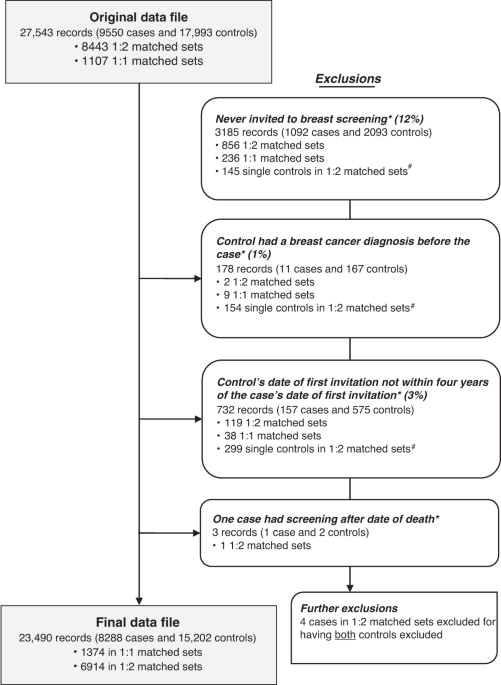
A case-control study to evaluate the impact of the breast screening programme on mortality in England

xloma.fota13 shared this article with you from Inoreader
Via Cancer

41416_2020_1163_Fig1_HTML.png

View on the web

Collaboration request

Hi there How would you like to earn a 35% commission for each sale for life by selling SEO services Every website owner requires the ...